Home Blog Page 97

DIY Vegetable Garden Cupcakes

0

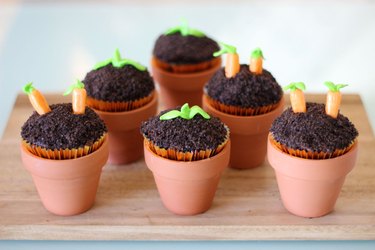
You don't need a green thumb to create this bountiful crop of cupcakes decorated like a vegetable patch. The secret is cookie crumbs and candy for a realistic yet whimsical garden of yumminess. This is a case where even the pickiest eaters will love finishing their vegetables.

garden cupcakes

Video of the Day

Things You\’ll Need

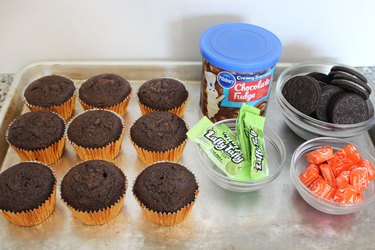
  • Cupcakes

  • Chocolate frosting

  • Oreo cookies

  • Orange Starburst candies

  • Candy apple Laffy Taffy candies

  • Skewer

materials

Step 1: Bake Cupcakes

Using either a box mix or your own homemade recipe, bake a batch of cupcakes. You can choose whatever flavor you'd like, but I chose chocolate because it looks the most like soil.

cupcakes

Step 2: Frost the Cupcakes

Spread some chocolate frosting on the cupcakes. Chocolate frosting is preferred here because it will be the underlying layer of the topsoil. Don't worry about making the frosting particularly even or pretty at this point. It will be covered up.

frosting

Step 3: Dip in Oreo Crumbs

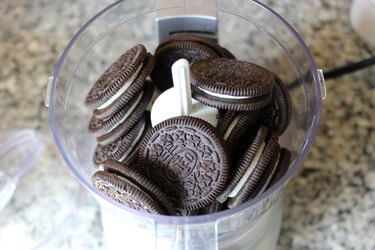
Place about ten Oreo cookies (including the cream centers) in a food processor, and pulverize them to make the "soil" for the garden. If you don't have a food processor, place the Oreos in a zippered plastic bag and crumble them with a rolling pin. Then place the cookie crumbs in a bowl.

oreos

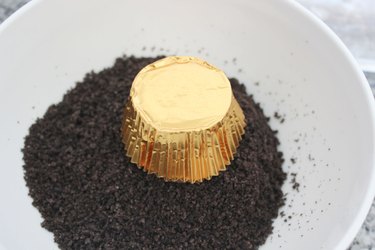
Hold the cupcakes upside down and press them into the Oreo crumbs, allowing the frosting to act like a glue.

crumbs

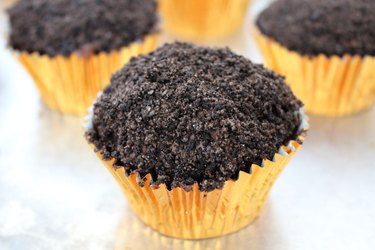
The combination of the dark cookies and the light cream centers makes the crumbs look just like soil.

soil

Step 4: Shape the Carrots

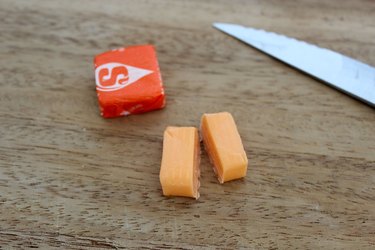
Cut an orange Starbust candy in half. Each half will make one carrot.

starburst

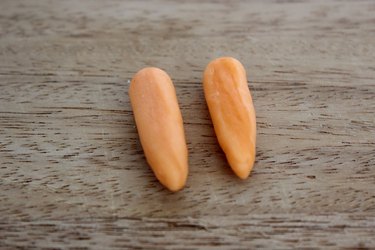
Mold each Starburst half into a conical shape that resembles a carrot. If you can, wear some food grade plastic gloves while handling the candy.

carrots

Step 5: Add the Green Carrot Tops

To make the greens, we're using green Candy Apple Laffy Taffy candies. Start by tearing three small pieces off of the candy.

taffy

Using your fingers, shape the small green taffy pieces into leaf shapes.

leaves

Attach the green leaves to the top of the carrot. The Laffy Taffy will stick easily onto the Starburst.

carrot

Step 6: Plant the Carrots

Position two carrots in each cupcake with the pointy ends facing down into the dirt.

planted carrots

Making Seedling Cupcakes

For your vegetable garden, it's fun to also create some cupcakes that only have seedlings sprouting out of the soil.

Step 1: Shape the Greens

Tear off three small pieces of the Laffy Taffy. These pieces can be larger than the ones you used for the carrot tops. Then shape them into long leaf shapes. Notice that the ones in my example are not particularly symmetrical. That's fine. They look more natural this way.

greens

Step 2: Form a Stalk

Join the three leaves at the base to form a stalk.

stalk

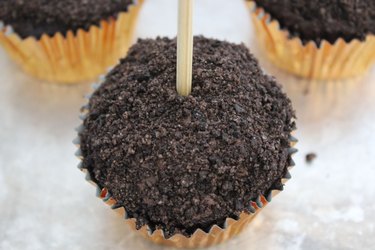
Step 3: Poke a Hole in the Soil

Poke a hole in the soil with a wood skewer. The Laffy Taffy is not as stiff as the Starburst carrots, so it will need help going into the soil.

hole

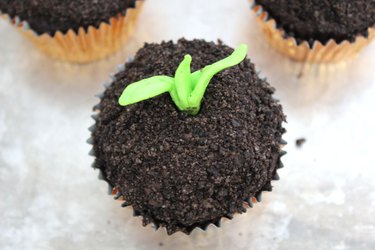
Step 4: Insert the Seedling

Place the green stalk in the hole you created with the skewer. Position the leaves so that the two side ones splay out, while the middle one stays upright. See how real those imperfect leaves look.

seedlings

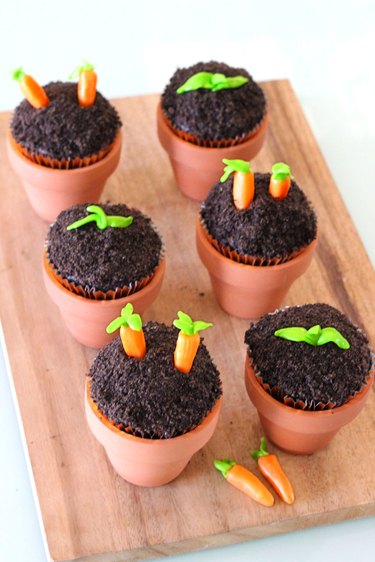
Pop the cupcakes into clean terra cotta pots for the perfect display.

vegetable garden cupcakes

The Best Juicers in 2022

0

Juicer mixer

Juicing is a great way to get plenty of servings of fruits and vegetables with lots of nutrients and less of the filling bulk. Whether you juice for breakfasts on the go, healthy snacks or cooking, an electric juicer is an excellent convenience item to have on hand in the kitchen.

Video of the Day

Juicing manually might be a good workout for your arms, but it's tough work and time-consuming. Not to mention there are some foods—think carrots and kale, for example—that don't lend themselves particularly well to manual juicing.

With so many electric juicers on the market, it's not easy to pick one. Obviously, you want a user-friendly appliance that can handle hard veggies like carrots that efficiently extracts the maximum amount of juice and flavor, and doesn't get clogged up. With the right considerations and recommendations, you can find one that's just right for your needs.

What to Consider When Purchasing an Electric Juicer

Style:​ There are three main types of electric juicers: masticating, centrifugal and citrus juicers. Masticating juicers (aka slow juicers) are best for preserving nutrients and extracting flavor, but they tend to be more expensive. Centrifugal juicers are generally lower priced and designed first and foremost for ease and speed when juicing fruits and veggies. And citrus juicers—as you might guess—are optimal for squeezing citrus fruits like oranges, lemons, limes and grapefruits.

Capacity and Size:​ As you'd expect, there are compact electric juicers, big ones and many sizes in between. As far as capacity goes, consider whether you just make a glass of juice at a time, or if you want to juice in bulk. Smaller appliances may only have the capacity for 12 or 16 fluid ounces, while large ones can hold more than four times as much. The feeding tube size affects how much chopping is required before feeding the fruits and veggies into the juicer. Also, consider the machine's total footprint and how much counter or storage space you have for it in your kitchen.

Easy to Clean:​ Electric juicers can have a number of components that get gunked up with use. Look for a model with removable parts, and preferably ones that are dishwasher-safe if you don't want to manually clean them.

Price:​ You can spend as little as $50 for a budget electric juicer, and as much as several hundred dollars on high-end models—especially for masticating slow juicers. Think about your priorities and your budget, looking for the right balance of capabilities and price. Just don't feel like you have to spring for an expensive appliance to get a good one; that's not the case.

These considerations help you narrow down the extensive selection of electric juicers on the market today and pick one that suits your personal needs.

Homemade fresh juice

The Best Masticating Juicer (Slow Juicer)

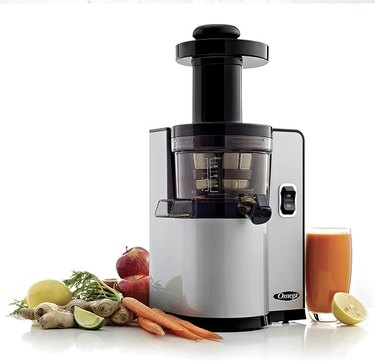
Omega Vertical Slow Masticating Juicer

$304.62 at Amazon

When a countertop appliance comes with a 15-year warranty, you can feel pretty confident about it. This masticating juicer uses a double-edged auger to slowly crush and squeeze produce. It's excellent at maximizing juice extraction and pulp retention, and the output is exceptionally smooth and tasty. This model is also easy to use and to disassemble and hand wash, plus its modular design gives it a relatively small footprint. Note that this slow juicer has a fairly small capacity though, for just one glass of juice at a time.

At a Glance:

  • Manufacturer:​ Omega
  • Style:​ Masticating/Slow
  • Capacity:​ 16 fluid oz.
  • Feeding tube size:​ 2.25" x 1.5"
  • Size:​ 15.51" x 6.97" x 15.47"
  • Power:​ 150 watts

Omega Vertical Slow Masticating Juicer

The Best Centrifugal Juicer

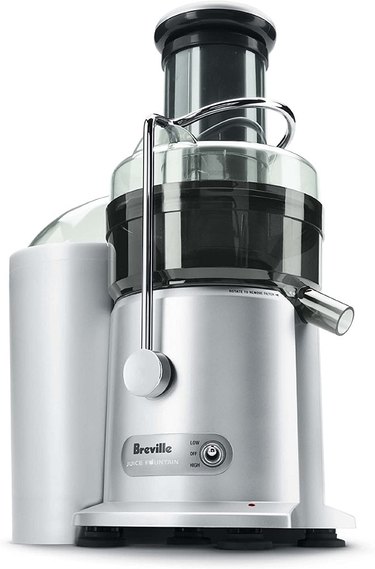
Breville Juice Fountain Plus

$124.46 at Amazon

For fast juicing that extracts maximum liquid and reliably holds back the pulp, this Breville model is a great choice. Its powerful dual-speed motor gets the job done, whether it's on low for softer fruits or leafy veggies or on high for harder and denser foods. Some other features to appreciate include the extra-wide feeding chute for less prep, the built-in froth separator, the ability to wrap the power cord around the base, and the many dishwasher-safe removable parts.

At a Glance:

  • Manufacturer:​ Breville
  • Style:​ Centrifugal
  • Capacity:​ 35.2 fluid oz.
  • Feeding tube size:​ 3" wide
  • Size:​ 13.2" x 16.5" x 18.2"
  • Power:​ 850 watts

Breville Juice Fountain Plus electric juicer

The Best Citrus Juicer

Smeg Citrus Juicer

$189.95 at Amazon

If you're only looking to juice citrus fruits, this is a smart pick. This compact electric citrus juicer doesn't just work amazingly well—it looks amazing, too. It has a sleek, retro design and even comes in a number of different stylish colors. It's very easy to use; simply cut a citrsmeus fruit in half, place it on the extractor, close the lid, let the machine do the work (which it does efficiently), and catch the extracted juice in a glass beneath the spout. This appliance is also easy to wash thanks to dishwasher-safe components.

At a Glance:

  • Manufacturer:​ Smeg
  • Style:​ Citrus
  • Capacity:​ N/A
  • Feeding tube size:​ N/A
  • Size:​ 14" x 9.5" x 8.75"
  • Power:​ 80 watts

Smeg electric Citrus Juicer

The Best Budget Juicer

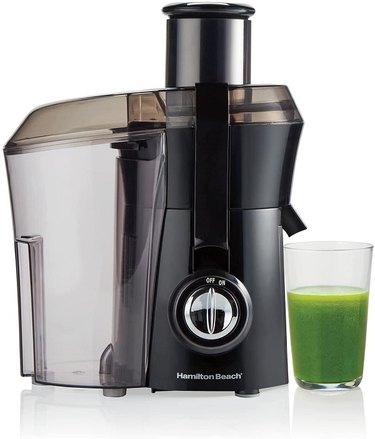
Hamilton Beach Big Mouth Juicer Machine

$64.99 at Amazon

Hamilton Beach is well known for simple, quality kitchen appliances at low prices, and this model of centrifugal juicer is a great example. This affordable option juices quite quickly (thanks to its powerful motor), effectively retains pulp and has an extra-wide feeding tube to minimize prep. The removable parts are dishwasher-safe for easy cleanup, but it also comes with an innovative manual cleaning tool that cleans the entire blade with one motion while protecting your fingers. Note that this juicer doesn't include a receptacle for the juice; just catch the extraction in a glass beneath the spout.

At a Glance:

  • Manufacturer:​ Hamilton Beach
  • Style:​ Centrifugal
  • Capacity:​ N/A
  • Feeding tube size:​ 3" wide
  • Size:​ 7.8" x 11.5" x 14.4"
  • Power:​ 800 watts

Hamilton Beach Big Mouth Juicer Machine

The Best Compact Juicer

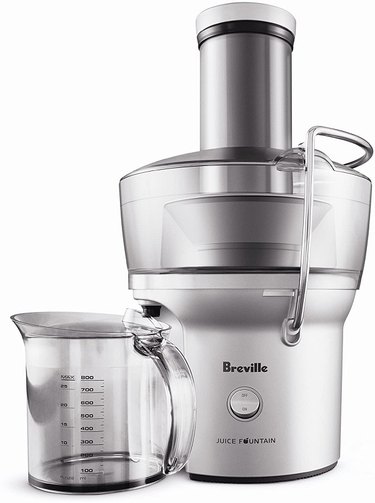
Breville Compact Juice Fountain

$99.95 at Amazon

For juicing enthusiasts with limited space, this is a small but mighty centrifugal juicer. Its 700-watt motor ably handles harder and denser fruits and vegetables. Even though it's compact, this model has the capacity for two 12-ounce glasses of juice, plus a 1.6-quart pulp receptacle and a relatively wide feeding chute. With few components (and the removable ones can go in the dishwasher), it's easy to assemble and to clean, too. The built-in froth separator is a nice touch, and the low price is a great value for the dependability, quality and durability of this electric juicing appliance.

At a Glance:

  • Manufacturer:​ Breville
  • Style:​ Centrifugal
  • Capacity:​ 25 fluid oz.
  • Feeding tube size:​ 3" wide
  • Size:​ 7.4" x 10.4" x 12.7"
  • Power:​ 700 watts

Breville Compact Juice Fountain electric juicer

The Best High-Capacity Juicer

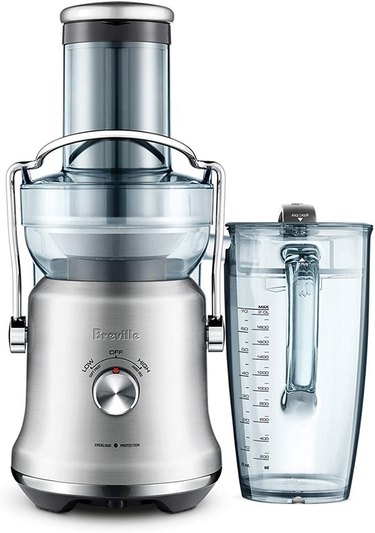
Breville Juice Fountain Cold Plus

$211.59 at Amazon

Another Breville centrifugal juicer makes the list, this time for people who need an extra-large electric juicer. With 70 fluid ounces of capacity, a 3.9-quart pulp container and a luxuriously wide 3.5-inch feeding chute, this model caters to above-average juice needs. And with its 1,000-watt motor and dual-speed settings, it's up to the challenge. One of the best parts is the cold-spin technology, which enhances nutrient transfer by minimizing heat and processing. You can juice straight into a glass, or into the large container that conveniently seals and goes right into the refrigerator. Also, while this is a high-capacity appliance, it features a thoughtful space-saving design that keeps its footprint reasonable.

At a Glance:

  • Manufacturer:​ Breville
  • Style:​ Centrifugal
  • Capacity:​ 70 fluid oz.
  • Feeding tube size:​ 3.5" wide
  • Size:​ 13.15" x 8.6" x 17.64"
  • Power:​ 1,000 watts

Breville Juice Fountain Cold Plus electric juicer

What Is Ammoglio Sauce?

0

24109880 Drizzle ammoglio over chicken, pork, beef or fish. Image Credit: Jupiterimages/Photos.com/Getty Images

Ammoglio sauce is a condiment, marinade and a dipping sauce that originated in Sicily. In Sicily, ammoglio has many regional variations, and every family prepares it in a manner specific to its culinary traditions, personal tastes and access to seasonal ingredients. These variations are also manifest in the spelling of the sauce, amogio and ammogio being the two most common alternative forms.

Video of the Day

Never Too Much Tomato

The first of two ammoglio variations is tomato-based. This variation is comparable to Mexican salsa but served over any fish or grilled meat, especially beef. A basic ammoglio is diced tomatoes mixed with chopped garlic, olive oil, lemon juice, basil, salt and black pepper. Before using at the table, let the mixture sit in the fridge for a few hours in a glass, ceramic or plastic storage container so it chills and the flavors meld.

Don\’t Second-Guess Substitutions

Sicily's cuisine lends itself well to improvisation. Ammoglio sauce is no exception. If you like, substitute shallots for garlic. Skip the lemon juice and drizzle in some fresh lime or balsamic vinegar — the salad dressing kind, not aceto balsamico tradizionale, traditional balsamic vinegar, which is highly concentrated and expensive. If you're out of basil, then oregano, thyme or mint are more than OK. A dash of parsley couldn't hurt, either. If you're bouncing back from a bad breakup with black pepper, give white pepper or red chili flakes a call.

Ammoglio Gets a Makeover

Lemon-garlic ammoglio is closely associated with chicken spiedini, a breaded fried chicken dish. The star ingredients are — you guessed, lemon juice and garlic. White wine, olive oil, herbs, salt and pepper are also in the mix. Use any dry white wine that strikes your fancy. For herbs, whatever is fresh and on hand will work. At the table, guests dress their sizzling chicken with a bit of ammoglio, which is typically served in a vessel on the side.

Lemon Ammoglio Works Overtime

Lemon-garlic ammoglio is a textbook marinade, with a fat and acid base that tenderizes and flavors meat. As with all marinades, recipes are blueprints, and you should definitely toss in the ingredients and flavors you would like to accentuate in the finished dish. Raise the sweetness level a little with a mixture of sour orange and lemon juice or lime instead. Incorporate any amount of garlic you like. For herb flavors stronger than parsley, aromatic mint, basil and thyme are contenders, as is tarragon. Add a few drops of white truffle oil to the olive oil. After you've decided on your ingredients, mix them all in a non-metal storage container. Marinate the meat in the fridge in the ammoglio for at least one hour or overnight.

How to Get the Coconut to Stick to the Top of a Martini Glass

0

Things You\’ll Need

  • 2 bread plates

  • Rich simple syrup

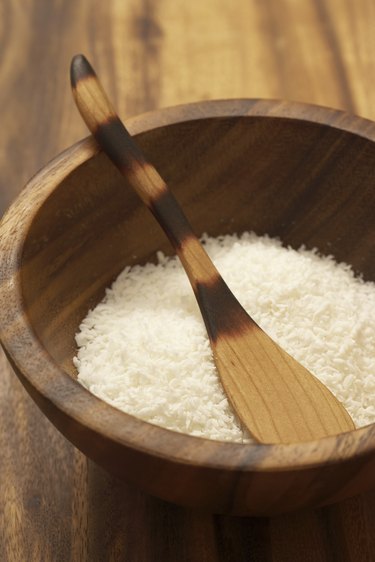
  • Shredded coconut

... Shredded coconut can add exoticism to your favorite classic cocktails.

Proper presentation can make or break a cocktail. Just as some professional drinkers see the olive as the defining moment for a martini, others might argue that only real coconut can make an exotic drink truly tropical. Unfortunately, whole coconut works terribly as a garnish. The key to getting coconut to stick to the top of a martini glass lies in shredded coconut. Whether store-bought or home-shred, shredded coconut atop a martini glass provides real coconut for every sip.

Video of the Day

Step 1

Pour 1 to 1.5 oz. rich simple syrup onto a bread plate, spreading the liquid to cover the plate's surface.

Step 2

Pour 1/2 cup coconut onto the other bread plate, spreading it evenly across the surface.

Step 3

Gently press the martini glass's lip onto the plate with the rich simple syrup, covering the entire lip and rotating the glass back and forth a few times. If the lip's circumference is larger than the plate's, dip one side of the lip, then rotate the lip until the whole circumference has been wetted.

Step 4

Gently press the martini glass's lip into the plate with the coconut shavings, covering the entire for 5 to 10 seconds. Rotate the glass back and forth to let the shavings attach. If the glass's circumference is larger than the plate's, then dip one side of the lip into the shavings, slowly turning the glass a few times until the lip is covered.

Step 5

Set the glass aside for later use.

Tip

Substitute chocolate sauce or honey for the rich simple syrup or toasted coconut shavings for an extra treat.

Make your own rich simple syrup by combining 1-cup boiling water with 2-cup granulated sugar.

If the shavings are too large and will not adhere to the glass's lip, give them a quick run in a food processor or blender to make them finer.

Warning

If chilling the glass, chill before rimming so as not to loosen the coconut.

Allow a 1/4- to 1/2-inch space from the top to preserve the coconut-rim.

Yellow Vs. White Peaches

0

... All peaches are not created equally. White and yellow peaches have different flavors.

Biting into a fresh, juicy peach shouts of summer sweetness. Generally, peaches are bright yellow inside, but white peaches are also available. They have subtle differences which result in many leaning toward one or the other as a favorite. Look for both peach types throughout the fresh peach season in the summer.

Video of the Day

Exterior

The skin on white peaches has a slightly paler color, but it shares spots of red blush with yellow peaches. Historically, this skin on white peaches was so thin that shipping the fruit over long distances to markets was unfeasible. Through crop improvements, the skin of modern white peaches is as tough as modern yellow peaches, with the distinctive peach fuzz covering both.

Flesh

Cutting into a white or yellow peach reveals their most striking visual difference, the interior. White peaches have a pale, white flesh that deeply contrasts with the blush on the skin and the red surrounding the pink pit. Yellow peaches have a golden interior and dark brown pit. Peaches are called freestone or clingstone based on how tightly the pit adheres to the surrounding flesh. Pits from peaches that easily separate from the surrounding flesh are called freestone peaches, but early-season fruits that require the pit to be cut out of the flesh are called clingstone peaches.

Taste

The level of acidity is the biggest taste difference between white and yellow peaches. People call white peaches sweeter than yellow peaches, but it is because white peaches are less acidic. This difference is greatest when comparing firm yellow to firm white peaches. Firm yellow peaches have a tart flavor, but firm white peaches are as sweet as soft, fully ripened white peaches. A slight floral flavor is also present in the flesh of white peaches compared to yellow peaches. Some heirloom varieties of white peaches have higher acid levels, giving them a tang closer to yellow peaches, but such peaches are difficult to find outside of individual growers or farmers' markets.

Uses

Yellow and white peaches can be used interchangeably in the kitchen. To take advantage of the subtle flavor of white peaches, use them raw in salads or eaten alone. Cooking white peaches with several other ingredients can mask the natural flavor of the fruit. Yellow peaches are more assertive in flavor and will stand up well in recipes needing a balance of sweet and tart. Try yellow peaches for cakes and pies and white peaches grilled or in salads.

How to Store Sauerkraut in the Refrigerator

Things You\’ll Need

  • Freezer bags

  • Canning jars (optional)

  • Waterbath canner (optional)

  • Jar lifter (optional)

... Storing sauerkraut in the refrigerator is easy.

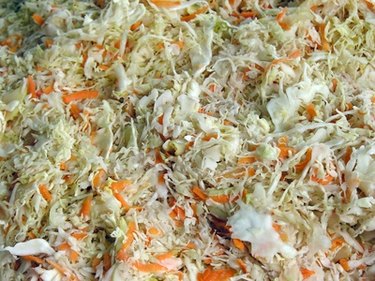
Sauerkraut, made of shredded cabbage covered in salt and left to ferment, naturally preserves itself since fermenting is a form of preservation, according to the University of Wisconsin. Cabbage is not only inexpensive, but it is part of the cruciferous family of vegetables that contains powerful cancer-fighting nutrients. Sauerkraut also contains vitamin C. Although a low-calorie food, sauerkraut's high salt content means people watching their sodium levels should limit their consumption. The food keeps in the refrigerator for several months, but can or freeze it to maximize shelf life.

Video of the Day

Storing in the Refrigerator

Step 1

Scoop sauerkraut into jars or freezer bags. Close the jar or bag tightly so no air can enter.

Step 2

Label the jar or bag with the date. Sauerkraut can stay good for up to three months in the refrigerator. Dating the bag will help you remember its age.

Step 3

Place the jar or freezer bag filled with sauerkraut on a shelf in your refrigerator.

Storing in the Freezer

Step 1

Scoop sauerkraut into freezer bags or any other container that will hold up in your freezer. Leave about 1.5 inches of space between the sauerkraut and the top of the container to avoid spillage.

Step 2

Close the container or freezer bag tightly. Make sure no air can exit or enter.

Step 3

Set the container on your freezer shelf. The sauerkraut should keep indefinitely.

Canning

Step 1

Pour sauerkraut into a pot on the stove and bring it to a simmer. Stop short of boiling the liquid.

Step 2

Examine canning jars to make sure they have no cracks.

Step 3

Run canning jars through the dishwasher to clean and pre-heat them.

Step 4

Pour hot sauerkraut into the heated jars, leaving about a 1/2 inch of space between the sauerkraut and the top of the jar. Pour plenty of juice into the jar so the sauerkraut doesn't dry out. Close the jars.

Step 5

Heat a waterbath canner to 212 degrees Fahrenheit and boil the sauerkraut jars for 20 minutes per quart. Make sure water covers 2 or 3 inches over the jars.

Step 6

Let the jars cool for five minutes.

Step 7

Lift the jars out of the canner with a jar lifter.

Step 8

Place the jars on the stove or a wire cookie rack until they cool. Canned sauerkraut will keep for years.

Homemade Chocolate Truffles with White Chocolate Ganache

0

... 1 of 12

Overview

Whether it's for Mother's Day, Christmas, Valentine's Day or birthdays, a box of chocolates is always a good choice when it comes to gift-giving. But why give store-bought candy when you can whip up a batch of homemade goodness all on your own? You'll be sure to impress with these delicious truffles made with love… by you!

Image Credit: Truffles ... 2 of 12

What You\’ll Need

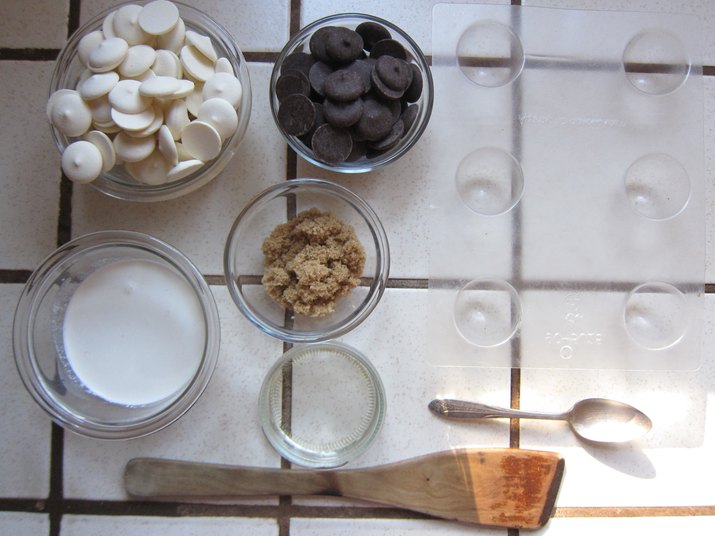
To make six white chocolate ganache filled truffles you'll need: 10 ounce white chocolate chips (save 2 ounces for drizzling over truffles); 4 ounces dark chocolate chips; 1/2 cup heavy cream; 2 tablespoons corn syrup; 2 tablespoons brown sugar; a plastic 1 3/4" half-oval truffle mold; a teaspoon; a wooden spoon; oil based food coloring (optional); and decorative candy garnish (optional).

Image Credit: Supplies ... 3 of 12

Cook cream mixture

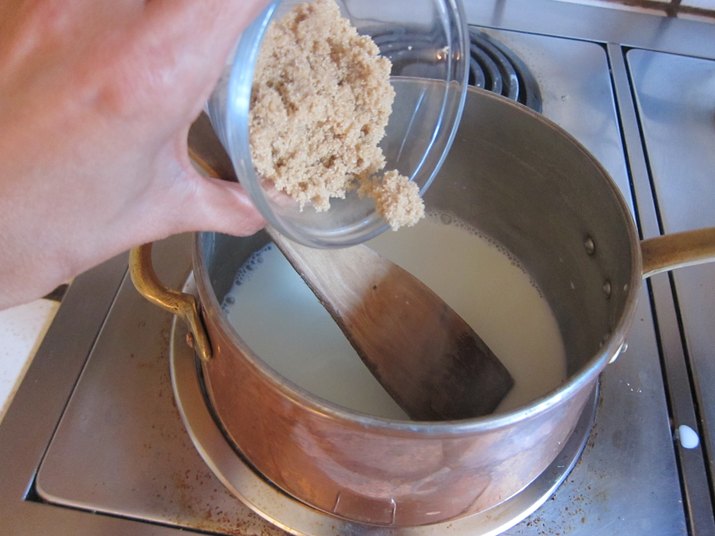
Combine heavy cream, brown sugar and corn syrup in a sauce pan. Bring to a rolling boil for several minutes then remove from heat.

Image Credit: Step 1 ... 4 of 12

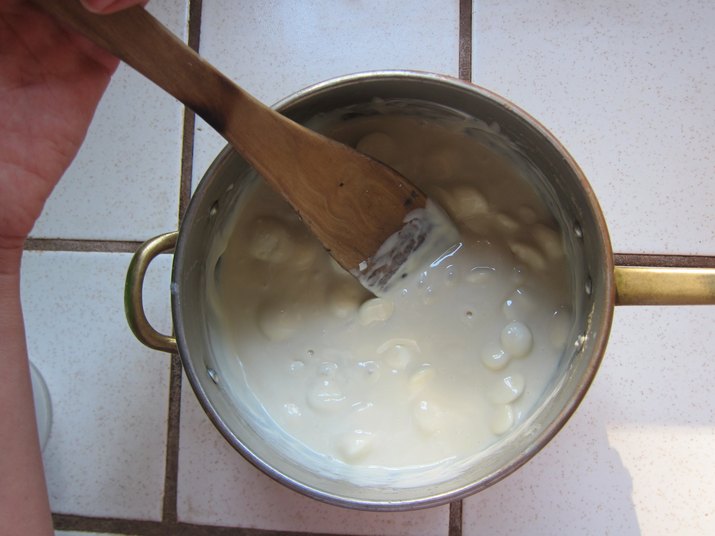
Add white chocolate

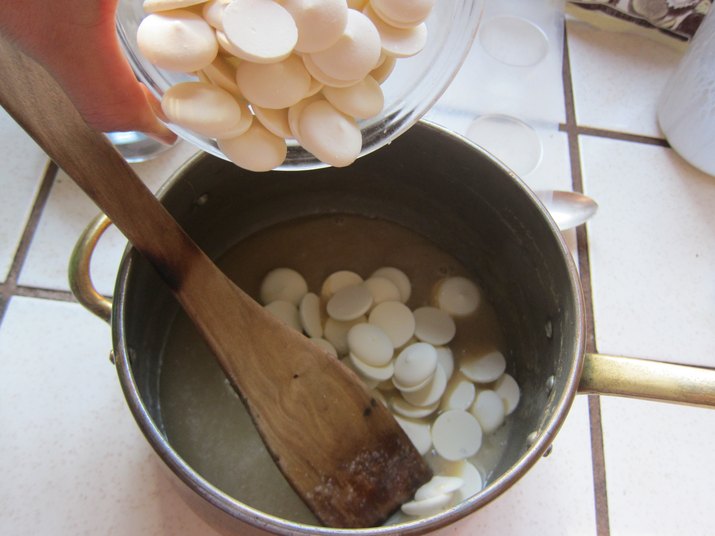
Add white chocolate chips and stir until the chocolate is completely melted and there are no lumps. This will take a few minutes of stirring to make a smooth, creamy ganache.

Image Credit: Step 2 ... 5 of 12

Melt dark chocolate

In a glass bowl, put the dark chocolate chips in the microwave for 30 second bursts, stirring in between to maintain temper. (If heated chocolate gets too hot, it will bloom or lose it's temper.) Do this until all the chocolate is melted, and there are no lumps.

Image Credit: Step 3 ... 6 of 12

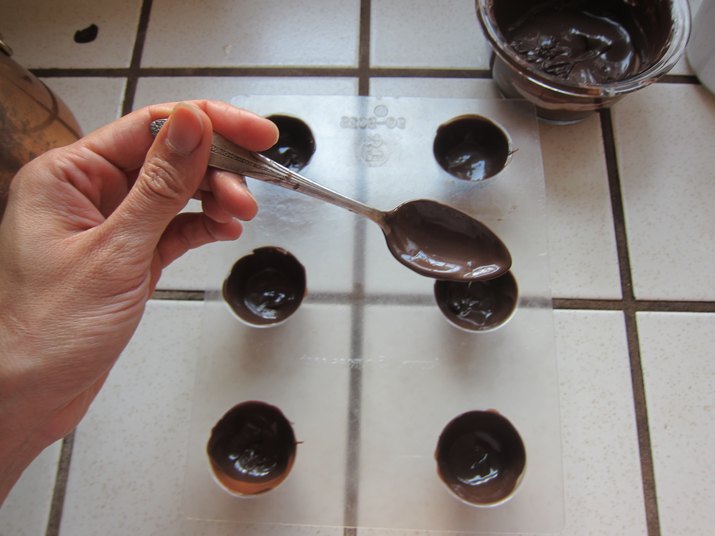
Fill molds

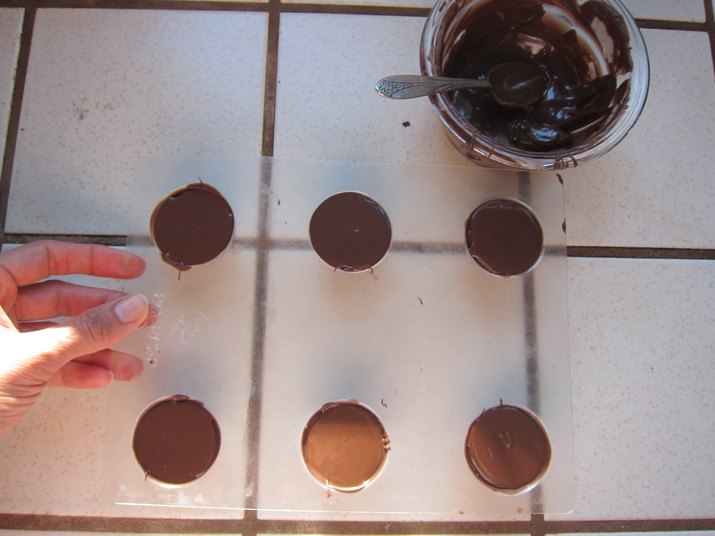
Using your teaspoon, coat the inside of the chocolate molds making sure there are no bubbles or holes. Refrigerate for about 10 minutes to harden the chocolate. This allows the ganache to be added without melting through the wall of the chocolate cup.

Image Credit: Step 4 ... 7 of 12

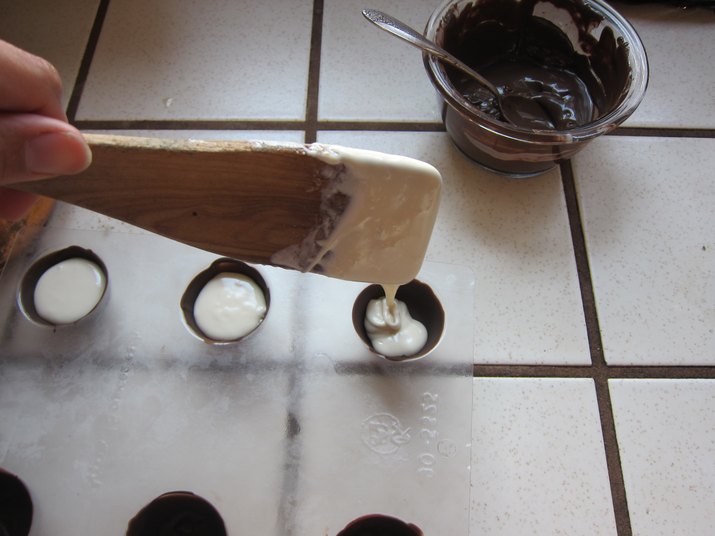
Fill with ganache

Fill the hardened chocolate coated molds leaving a 1/4" space at the top with your cooled but still liquid white chocolate ganache. Put this back in the refrigerator for about 10 more minutes or until firm.

Image Credit: Step 5 ... 8 of 12

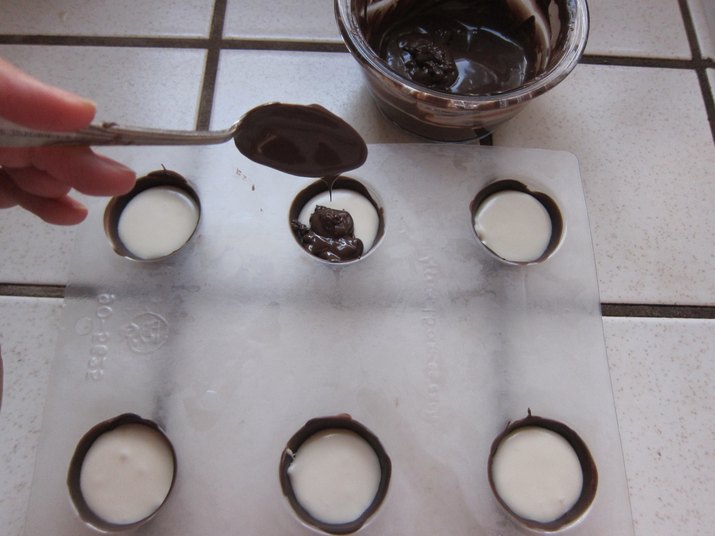
Cap the top (really the bottom)

Add more dark chocolate to the cup until completely full to the top of the cup but not over-full. The dark chocolate may have to be reheated in the microwave for a few seconds if it's been sitting for too long and has hardened.

Image Credit: Step 6 ... 9 of 12

Tap tap

Tap your tray to settle the chocolate and release any air that may be trapped between the layers. It is important that the top chocolate layer is flat so that the finished chocolate sits level. Put them into the refrigerator and cool for about 10 minutes. You will be able to tell if they are ready when the cups look frosty. Remove and pop them out of the plastic mold.

Image Credit: Step 7 ... 10 of 12

Drizzle

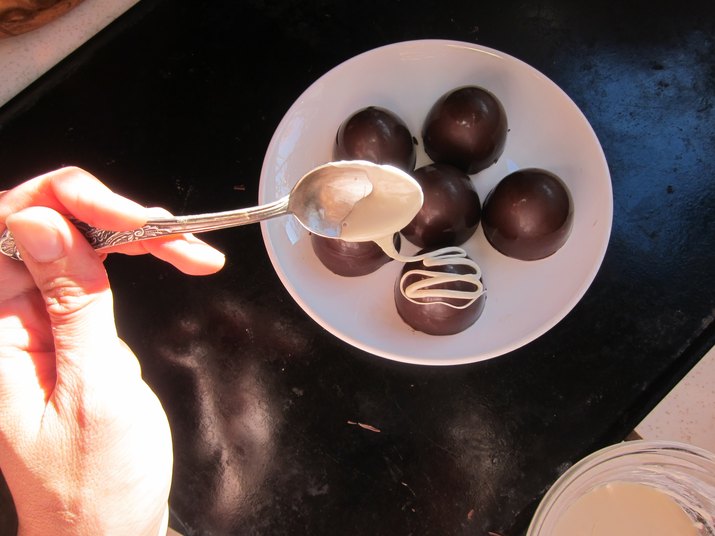
Melt your remaining two ounces of white chocolate in the microwave for 10 seconds or until melted. Then, using a teaspoon, drizzle over the truffles. To color the white chocolate, add a oil-based food coloring to the white chocolate and stir before drizzling.

Image Credit: Step 8 ... 11 of 12

Garnish with candy (optional decor)

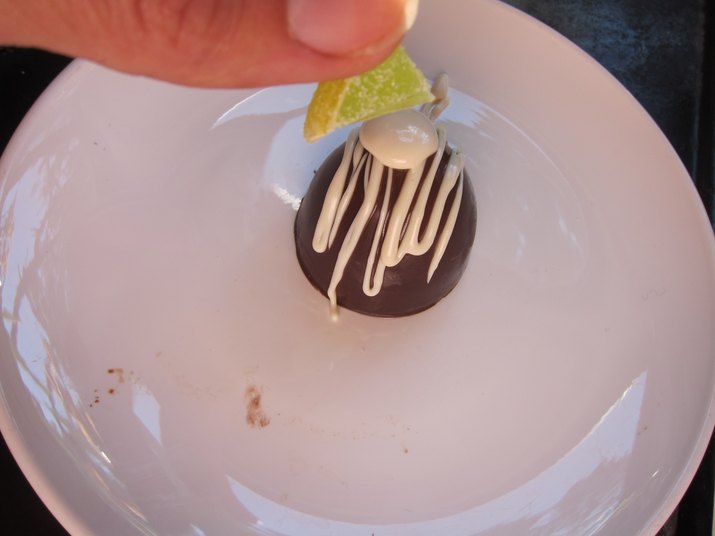
Add a dab of white chocolate to the top of the truffle and a slice of candy to garnish.

Image Credit: Step 9 ... 12 of 12

Alternate garnish

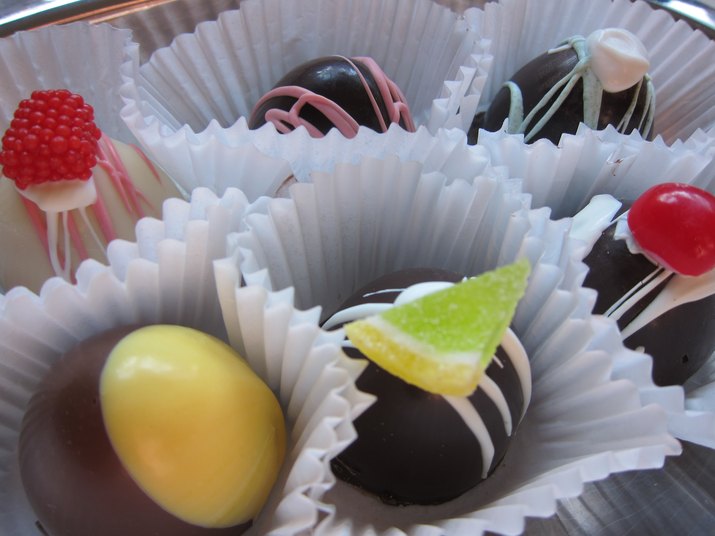
Another version shown in this photo is a banana truffle half dipped in white chocolate that is colored with yellow oil-based coloring. Use your imagination and get creative, there are so many ways to go!

Related: Rose Avenue Sweets

Image Credit: Step 10

How to Make Apple Juice Concentrate for Freezing

0

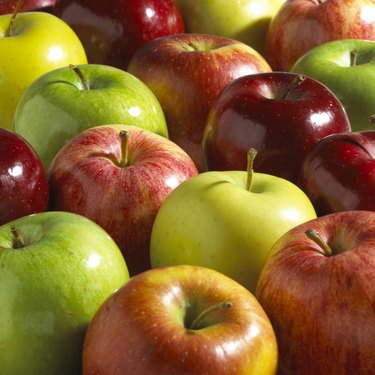
Close-up of apples Organic in-season apples Image Credit: Purestock/Purestock/Getty Images

Start to Finish: 2 hours Servings: Variable Difficulty: Easy

Video of the Day

Commercial apple-juice concentrate contains juice and ascorbic acid, ingredients readily available at the same supermarkets where you buy concentrate. Take advantage of the flexibility homemade concentrate affords and combine varieties for a tailored taste — you'll find the best apples at farmers markets in September and October. Peeling and coring apples before juicing is optional, but the skins and seeds contribute tannins that impart mild bitterness to the finished juice. Twenty pounds of apples produces about 1 gallon of juice and 1/3 gallon of concentrate. Although not required, a combination apple corer/peeler cuts the prep time down by half or more.

Ingredients

  • Ascorbic acid
  • Fine-mesh sieve
  • Rubber spatula
  • Cheesecloth
  • Sugar (optional)
  • Freezer-safe container or canning jars

Peeling and Pureeing

Add enough water to fill a food-grade container half full of water. Add 1/2 teaspoon of ascorbic acid per 1 gallon of water.

Peel, core and slice the apples. Discard any brown, bruised or blemished apple slices as you cut them. Add the apple slices to the water, and stir to coat them in the water mixture.

Pour 2 inches of water in a deep pot and add the apple slices. Set the apples on the stove over medium heat and cover the pot.

Simmer the apples until soft. Mash the apples using a potato masher, every 10 minutes. Expect about 15 minutes of cooking per 10 pounds of apples.

Set a fine-mesh sieve over a large food-grade container or a second pot. Scoop the cooked apples into the sieve, and press them through using a rubber spatula.

Strain the collected juice through a fine-mesh sieve lined with two to three layers of cheesecloth and into another pot or container. Stir in 1/2 teaspoon of ascorbic acid per 1 gallon of juice.

Sweeten the apple juice with sugar to taste, if desired. Simmer the apple juice until it reduces by about two-thirds. Take the pot off the stove, and stir the apple juice a few minutes to speed up its cooling.

Packing for Freezing

Place the jars or freezer-safe containers in the freezer while the apple juice cools. Chilled containers help the juice freeze faster.

Pour the apple-juice concentrate in the containers or jars when it cools to room temperature. Leave 1/2 inch of head-space at the top.

Place the apple juice in the freezer, leaving an inch or two on either side of the container. After the juice freezes, you can pack it alongside other foods.

Cooking Notes

Any apple that tastes good as a snack will taste good juiced. But you don't have to limit yourself to supermarket staples red delicious and Fuji. Braeburns, golden delicious and pink ladies — each on its own or combined — have a balance of tart and sweet that pleases any palate.

Ice cube trays make portioning juice concentrate easy. Instead of jars, pour the apple-juice concentrate in an ice cube tray and freeze it uncovered. After the concentrate freezes, pack the trays in a heavy-duty storage bag.

Don't toss the apple peels! Reserve peels for apple tea, jam and for cleaning aluminum cookware.

What Are Pimentos?

... What Are Pimentos?

A pimento is a type of red pepper. Pimentos are also known as "cherry peppers." They are typically 3 to 4 inches long and 2 to 3 inches wide. They come in both sweet and hot varieties. Pimentos are commonly used raw and sliced in salads. They are also used to stuff green olives, after which they are pickled. The name "pimento" comes from the Portuguese word for bell pepper. The flavor of a pimento is similar to that of a bell pepper, but its taste is more tangy and pungent.

Video of the Day

History

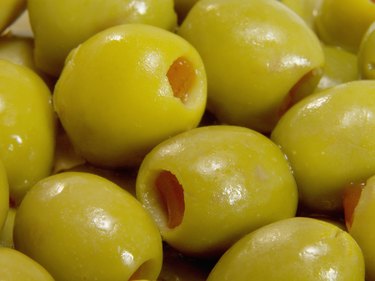
Spanish olives stuffed with pimento Olives with pimentos Image Credit: Medioimages/Photodisc/Photodisc/Getty Images

The pimento is a variety of chili pepper (capsicum annuum). The pimento is native to South America, but is grown in many regions, including Spain, Hungary, Morocco and the Middle East. The pimento was first introduced to Spain after Columbus returned from the New World, but it has since become a staple of Spanish cuisine. It is featured in rice dishes like paella, as well as in tapas, salads and stews. In the United States, pimentos are sometimes used in salads, but their most popular use is in pimento cheese and as a stuffing for green olives.

Uses

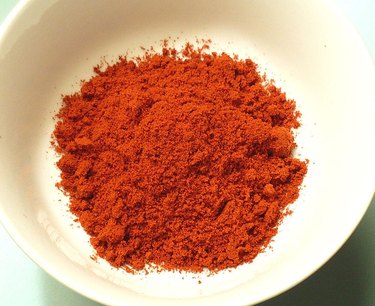
... Paprika

Fresh pimentos can be purchased during the summer and early fall. Pickled whole pimentos and pimento strips can be bought in any season. Fresh pimentos can add bite and crunch to salads and a sweet note to corn dishes and are excellent for jazzing up omelets. Jarred pimentos are used to make spreads, dips and sauces. Dried and ground pimento is known as the spice paprika. Paprika is common to many cuisines, especially Hungarian.

Cultivation

24096306 Pepper plant Image Credit: Jupiterimages/Photos.com/Getty Images

The pimento grows best in hot, dry climates. It takes about 70 to 80 days to mature. Pimento plants are very vigorous and highly productive. They grow best in acidic soil. Peppers are a member of the nightshade family.

Benefits

Chilli peppers, Chile, (Close-up) Peppers Image Credit: Paul Katz/Photodisc/Getty Images

Pimentos are rich in Vitamin A and Vitamin C. Vitamin A is good for your eyesight as well as your skin and mucous membranes. Vitamin C is good for fighting off colds, boosting your immune system and healing wounds more quickly. Ounce for ounce, pimentos may contain as much as nine times as much Vitamin C as tomatoes. Pimentos also contain capsaicin, a substance common to all chili peppers that can help relieve arthritis and chronic pain.

Substitutes

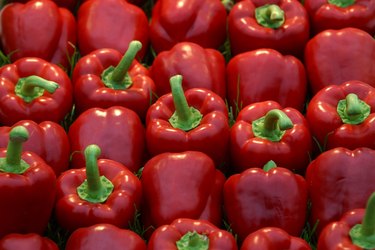
Bunch of red bell peppers Red bell peppers Image Credit: Hemera Technologies/AbleStock.com/Getty Images

In general, red bell pepper can be used in place of pimentos, although some flavor will be lost. For best results, try roasting the bell peppers first; this will give them a more piquant taste.

How to make Caipirinha (Traditional Brazilian drink)

0

A Caipirinha is Brazil's national cocktail. It's made with fresh limes and a bit of sugar, but what makes this drink really special is the addition of cachaça, a spirit made from distilled sugarcane juice. This drink is bright and refreshing, making it the perfect cocktail to enjoy on a warm day. There are many variations of this lovely drink, but this recipe follows the traditional lime-based approach.

Garnished caipirinha

Things You\’ll Need

  • 1 medium lime, quartered

  • 2 1/4 teaspoons cane sugar

  • Muddler

  • Ice

  • 2 fl oz cachaça

  • Small spoon

  • Lime wheel or wedge for garnish

Step 1

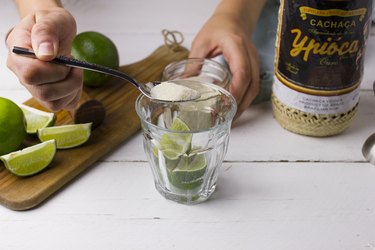
Add three to four lime wedges, and 2 1/4 teaspoons cane sugar to a short glass.

Pouring sugar over lines in a cocktail glass

Step 2

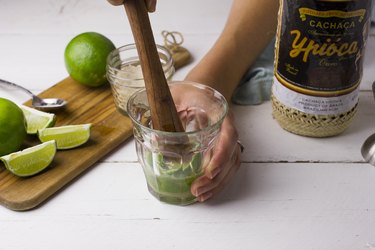
Muddle the limes and the sugar together until all of the sugar dissolves.

Muddling lime and sugar

Step 3

Add the ice to the glass, then pour the cachaça over the top.

Add cachaça

Step 4

Stir everything together with a spoon to combine all of the ingredients.

stirring drink

Step 5

Garnish the drink with a lime wheel or wedge, and enjoy!

garnishing drink