Home Blog Page 83

Instant Pot Recipe: Pulled Pork Tacos

0

There is something magical about pulled pork. It's tender, juicy, makes fantastic tacos, plus the leftovers are epic (pulled pork sandwich for lunch?! Yes, please!). The only problem is how long it takes! A traditional pulled pork recipe will take around 4 hours. Enter the instant pot! It's the perfect way to get those tacos you want in just over an hour. Perfect for Taco Tuesday and Leftovers Sandwich Wednesday.

Instant Pot Recipe: Pulled Pork Tacos

Video of the Day

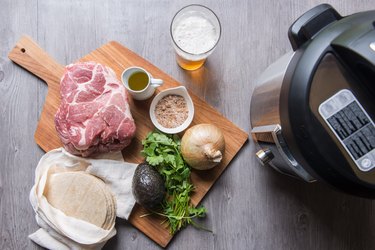
Things You\’ll Need

  • 1 tablespoon salt

  • 2 tablespoons brown sugar

  • 2 teaspoons onion powder

  • 2 teaspoons chili powder

  • 2 teaspoons ground cumin

  • 2 teaspoons black pepper

  • 2 teaspoons smoked paprika

  • 2 teaspoons dry mustard powder

  • 4 lbs pork shoulder roast

  • 2 tablespoons olive oil

  • 12 ounces beer (pale ale, pale lager, stout or wheat beer willwork)

  • 12 tortillas

  • ½

    cup white onion, chopped

  • ¼ cup cilantro, chopped

  • 1 large avocado, slices

Instant Pot Recipe: Pulled Pork Tacos

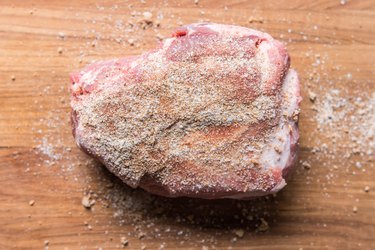
Step 1: Rub the Pork with Spices

Stir together the salt and all the spices. Rub the meat on all sides with the spice mixture.

Instant Pot Recipe: Pulled Pork Tacos

Step 2: Sear

Add the olive oil to the instant pot, then heat on the sear mode. Add the pork, searing on all sides.

Instant Pot Recipe: Pulled Pork Tacos

Step 3: Beer

Pour the beer into the instant pot.

Instant Pot Recipe: Pulled Pork Tacos

Step 4: Pressure cook

Add the lid tightly to the instant pot. Turn to the pressure cook mode, adjust the time to 75 minutes. Allow the pork to cook for 75 minutes, then allow the pot to release pressure slowly.

Tip

Want it done sooner? Cut the pork into 2 inch cubes, sear and then pressure cook for 45 minutes.

Instant Pot Recipe: Pulled Pork Tacos

Step 5: Shred

Shred the pork in the pot using two forks, or remove from the pot, shred and return to the pot. Allow the pork to sit in the juices for 5 to 10 minutes. Remove and add to a serving platter.

Instant Pot Recipe: Pulled Pork Tacos

Step 6: Serve

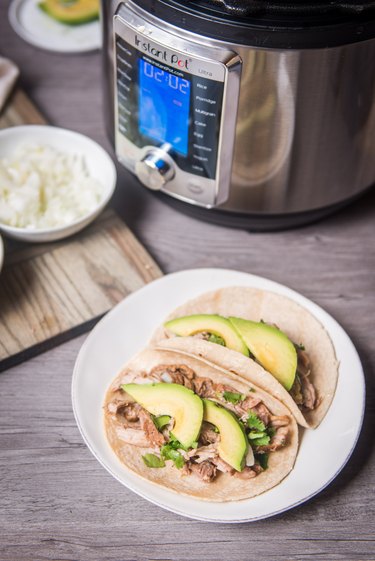
Serve the pork in tortillas topped with garnishes and enjoy!

Instant Pot Recipe: Pulled Pork Tacos

How to Brew Beer With Rice

Rice beer is made with simple ingredients that can be found in any supermarket or ethnic grocery store. The term "sake" refers to a particular form of rice beer that originated in Japan. This drink has been brewed for many years and is popularly used during Buddist and Shinto celebrations. During the rice beer brewing process, a fungus called kome-kin ferments the rice starch into sugar.

Pitcher of beer

Video of the Day

Things You\’ll Need

  • Koji-Kin

  • Strainer

  • Rice Steamer

  • Thermometer

  • Lemon

  • Uncooked Rice

  • Cheesecloth

  • Two Large Pots

  • Yeast

Step 1

Rinse 6 cups of uncooked rice in a strainer, then set the strainer and rice into a container of water. Let the rice soak for 30 minutes.

Step 2

Place the rice into a rice steamer with 1/2 gallon of water. After the rice has swelled, let it cool until it reaches 86 degrees Fahrenheit.

Step 3

Pour the juice of one lemon into a large cooking pot with 1/2 gallon of water. Add 1 lb. koji-kin, and stir the mixture gently with a long spoon. Let the pot sit, without heat, for 30 minutes.

Step 4

Add your cooked rice after the 30 minutes have passed. Add 1 package of yeast, stir the contents, then cover the pot tightly with a lid.

Step 5

Keep the pot in a cool, dry place below 77 degrees Fahrenheit for two weeks. Stir the contents once daily with a clean spoon.

Step 6

Remove the lid, and place a cheesecloth over another large pot inside your kitchen sink. Pour the contents through the cheesecloth to filter out residue left from the rice. The liquid left over is sake–rice beer–ready to drink.

Tip

Serve rice beer warm or chilled.

Recipes suggest that the longer the rice soaks, the better the beer will taste.

Homemade Mint Chocolate Chip Ice Cream Recipe

0

Cool mint chocolate chip ice cream hits the spot on a hot summer's day. While making ice cream at home may seem daunting, the process is very simple. This egg-free recipe omits the need to temper eggs so that all you have to do is blend together the ingredients. The beauty of this recipe is that it's very quick and easy to prepare, plus you can make it as green as you'd like or simply leave it natural. In addition, you don't need to own an ice cream maker in order to make this tasty treat. Simply prepare the ice cream base, pour it into a freezer-safe container, and freeze. The ice cream will still turn out soft and tender, although it won't be quite as airy. Either way, this fool-proof recipe is sure to please the whole family.

two bowls of mint chocolate chip ice cream How to make mint chocolate chip ice cream Image Credit: Julia Mueller

Video of the Day

Things You\’ll Need

  • 1 (14-ounce) can sweetened condensed milk

  • 1 pint (2 cups) whipping cream

  • 2 teaspoons pure vanilla extract

  • 1 ¼ teaspoons peppermint extract

  • ¼ teaspoon sea salt

  • 1 cup mini chocolate chips

  • 2 to 5 drops green food coloring, optional

Tip

For a light green mint chocolate chip ice cream, use 2 drops of green food coloring. For a more vibrant green, use 4 to 5 drops.

Step 1: Freeze Your Ice Cream Bowl

Place your ice cream bowl in the freezer overnight, or follow the instructions on your ice cream maker.

Step 2: Make the Ice Cream Base

Pour all of the ingredients for the mint chocolate chip ice cream (except for the chocolate chips) into a high-powered blender.

Ingredients for mint chocolate chip ice cream Gather your ingredients Image Credit: Julia Mueller

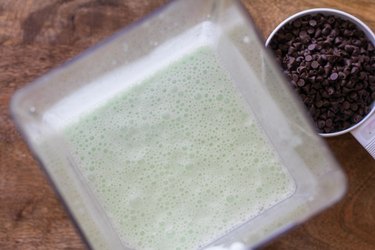
Blend until completely smooth. Refrigerate the ice cream base until ready to use.

mint ice cream base in a blender Blend ingredients for ice cream base in a blender Image Credit: Julia Mueller

Step 3: Make the Ice Cream

Remove the frozen bowl for your ice cream maker from the freezer and set it up in your ice cream maker. Pour the ice cream base into your ice cream maker and turn it on.

Note: If you don't have an ice cream maker, simply pour the ice cream base into a freezer-safe container and freeze for 5 hours, or until ice cream is completely frozen, stirring in the chocolate chips after it has sat in the freezer for about 1 hour.

Tip

To ensure the chocolate chips don't sink to the bottom of the ice cream maker, hold off on adding them until the ice cream becomes thicker.

Mint ice cream in an ice cream maker Transfer base to ice cream maker Image Credit: Julia Mueller

Once the ice cream thickens (after about 10 minutes), pour in the chocolate chips and continue churning until the ice cream is very thick and the ice cream maker begins slowing down, about another 30 minutes.

Mint chocolate chip ice cream in an ice cream maker Add the chocolate chips to the ice cream Image Credit: Julia Mueller

Step 4: Freeze the Ice Cream

Once the ice cream is thick, it can be served immediately for a soft serve-like consistency. For fully frozen ice cream, transfer the ice cream to a freezer-safe container, cover it in plastic, and freeze until it has completely set up, about 3 hours.

Mint chocolate chip ice cream in a loaf pan Freeze the finished ice cream Image Credit: Julia Mueller

Step 5: Thaw and Serve

When the ice cream is completely frozen and you're ready to serve it, remove the container from the freezer and allow it to thaw 2 to 4 minutes. Scoop ice cream into bowls and serve!

Ice cream scoop and ice cream Thaw the ice cream and scoop Image Credit: Julia Mueller Two bowls of mint chocolate chip ice cream Scoop and serve! Image Credit: Julia Mueller

Type of Salt for Margaritas

The traditional margarita recipe calls for a salted or sugared glass rim. The salty or sweet taste complements the tang of the margarita's orange liqueur and the bite of the tequila. Steer clear of table (iodized) salt, which is much too salty for margaritas. Opt for coarse, large-granule salt that won't overwhelm the drink's sweet-and-sour flavor balance.

Tip

To prep margarita glasses for rimming, run a lime wedge around the top half inch of the outer rim. Do not press the glass straight down into the salt; instead, hold the glass parallel to the salt and roll it sideways, avoiding the inner rim. Kosher Salt

Kosher Salt

Kosher salt primarily is harvested from seawater and underground water sources. It undergoes minimal refinement and has a very mild salty taste and larger, irregularly shaped granules. Kosher salt tends to hold onto moisture very well and dissolve slowly in the mouth, so it is an excellent choice for salting margarita glasses.

Video of the Day

Sea Salt

Like its kosher counterpart, sea salt has large granules and comes from evaporated seawater and some underground sources. However, sea salt has a more intense salty flavor, making it a better choice for flavored margaritas, such as strawberry or mango. The stronger saltiness helps balance out the fruity sweetness. Try Himalayan pink sea salt for a rose-hued addition to your margarita glass, or extra-crunchy, pure-white fleur de sel.

Flavored Salts

Flavored salts are kosher or sea salt with flavors added. They are available in every flavor from vanilla to chili pepper — but not every flavored salt is suitable for every margarita. Carefully consider flavor pairings before rimming a margarita glass with flavored salt. Although margaritas go well with flavored salts, other cocktails do, too. Try a Bloody Mary with spicy habanero pepper-flavored salt around the rim, or garnish a mai tai with coconut-infused salt.

Tip

Make a lime-flavored margarita salt. Soak overnight 1/2 cup of plain kosher or sea salt in the zest of one lime. The salt naturally absorbs the moisture and flavor of the zest.

Sugar

Opt for a sugared rim if you prefer extra sweetness in your margarita. Avoid confectioner's or powdered sugar; granulated sugar works best and offers the option of adding flavor and color.

Tip

Create orange-infused granulated sugar. Soak overnight 1 cup of sugar in the zest of one large orange. Try this creation on your next Texas margarita (a traditional margarita with orange juice added).

Add color to granulated sugar with five to seven drops of food coloring for every 1 cup of sugar. The more food coloring you use, the darker the resulting color.

Types of Corona

Corona is a Mexican beer brand in production since 1925. It is the top selling Mexican beer and one of the top exports from Mexico. Although Corona Beer is available in more than 150 countries worldwide, the largest export markets are North America, the UK and Australia. There are different types of Corona beer available on the market for the global consumer.

Corona Extra

Corona Extra is the most popular beer from Corona. It contains 81 calories, 71.1 grams of carbohydrates in a 7 oz. bottle and has 4.6 percent alcohol by volume. Many consumers drink Corona Extra with a slice of lime. It is made with all natural ingredients, including water, hops, yeast and barley; moreover, there are no fat calories.

Video of the Day

Corona Light

Corona Light is the second most popular beer from Corona. It is available in 7-oz. bottles and has 58 calories, 2.9 grams of carbohydrates and 3.7 percent alcohol by volume. Comparing Corona Light with Corona Extra, the former has almost half the carbohydrates in an equal serving and 28 percent less calories. As with Corona Extra, none of the calories in Corona Light is derived from fat.

Corona Familiar

Corona Familiar is different from Corona Extra and Corona Light as it comes in a large 940 ml bottle — the largest offered by Corona — with amber-colored glass instead of the clear transparent type. Corona Familiar is mostly consumed in Mexico and is rare in the United States and Europe.

Tips

Corona is not available on tap but only in bottle form. Consumers outside of Mexico drink the beverage with a lime wedge unlike the Mexican people who typically drink it as is. Corona recommends that consumers should consider the nutritional content of any type of Corona beer before drinking the beverage. Always drink responsibly and do not drive after consuming alcoholic beverages.

Fun Ways to Prepare Winter Veggies

0

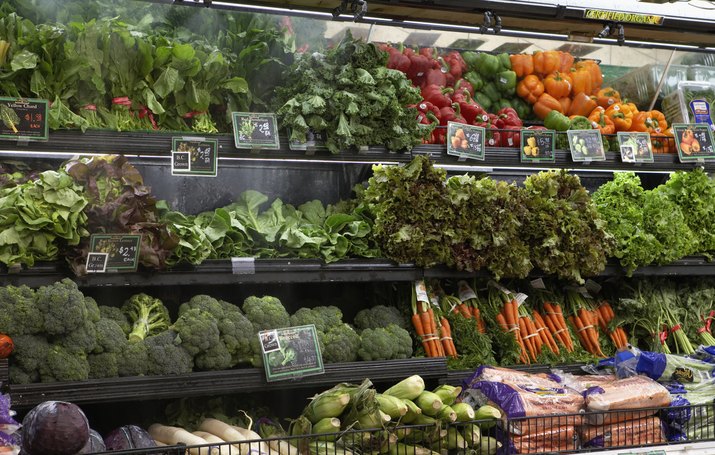
Produce aisle in supermarket, close-up 1 of 11

Overview

Just because it's winter doesn't mean that produce isn't in season. In fact, some vegetables are even tastier when grown in cooler climates, especially leafy greens like kale and collard greens. Now is the time to take advantage of all those fresh winter vegetables in the produce aisle with these creative ways for preparing your favorite (or soon-to-be favorite) winter veggies.

Image Credit: Noel Hendrickson/Digital Vision/Getty Images ... 2 of 11
Pan-Sear Them

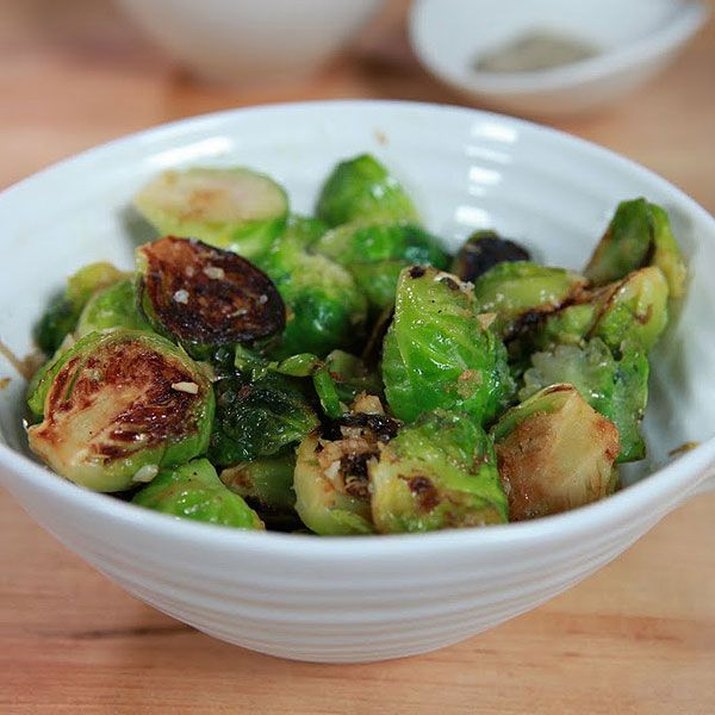
If you've previously spurned the sprout, now is the time to give this vitamin rich winter veggie another try. In peak season from fall to spring, these veggies are the perfect healthy winter side dish. Heat up a pan, drizzle a little olive oil and you're ready to sear up some seriously good-for-you eats. Add a little garlic and lemon zest to take these vitamin-C rich nuggets from boring to taste bud-pleasing. If you're still skeptical about searing up the sprout, this method also works great with other winter veggies like broccoli, cauliflower and your favorite winter greens. There isn't a much simpler way to (quite literally) add some zest to your veggie side dish. – in association with Rachael Ray

Related: Watch Pan Seared Brussels Sprouts with Lemon Zest in HD

Image Credit: Gus Philippas ... 3 of 11

Toss Them Up in a Salad

Ranging in hue from purple to yellow, beets are one of the few vegetables that lend themselves to dramatic presentations. Adding roasted beets to a winter salad is a great way to delight both your eyes and taste-buds; not to mention your health. High in dietary fiber and a great source of vitamin C, iron and magnesium, beets are beautiful both inside and out. Our favorite way to eat this winter veggie is Louisa's beet, feta and pine nut salad. Feta and pine nuts complement the earthy beets, making this a healthy salad that doesn't taste healthy. – in association with Rachael Ray

Related: Watch Beet, Feta and Pine Nut Salad in HD

Image Credit: Gus Philippas ... 4 of 11
Bake Them into Chips

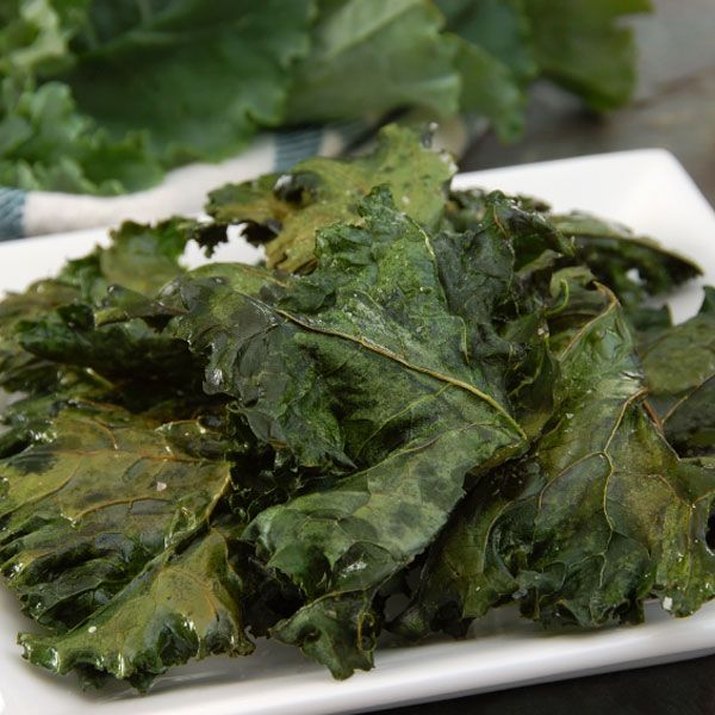
Put down the bag of potato chips and grab a handful of leafy kale greens for a guilt-free alternative to one of your favorite salty snack foods. Rich in vitamins and antioxidants, kale is a super-food that offers a nutritious alternative to anything in the snack food aisle. Plus, like most hearty cooking greens, cooler weather keeps kale sweet, so winter is the best time to bake up a batch of kale chips. – in association with Rachael Ray

Related: Watch Crispy Baked Kale Chips in HD

Image Credit: Gus Philippas ... 5 of 11
Use Them as a Wrap

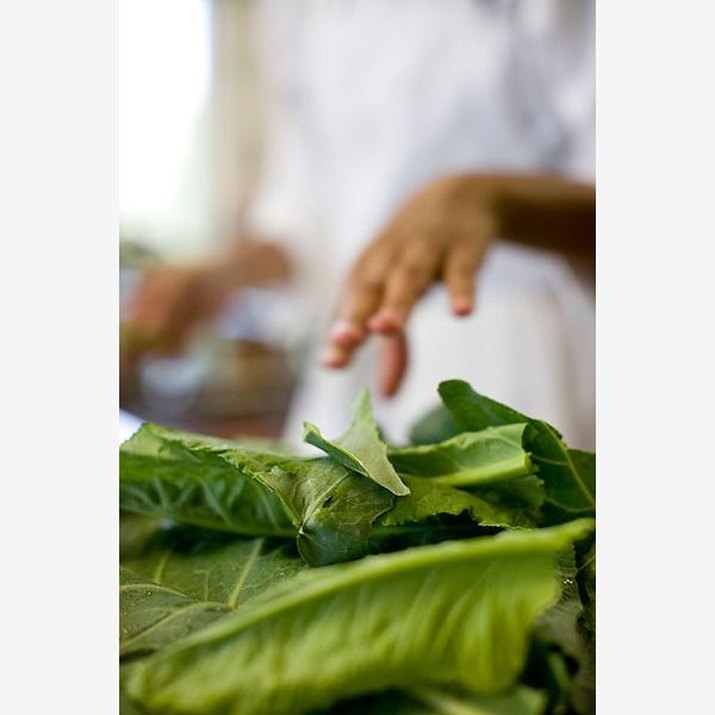
In lieu of a tortilla, use leafy winter greens such as collard greens or kale the next time you make a wrap. Collard greens and kale have large, nutrient rich leaves, making them the perfect calorie-cutting alternatives to the traditional tortilla. Plus, they're great sources of vitamins A, C and K, so not only are you cutting calories, but you're also adding some cholesterol-lowering power to your snack. – in association with Rachael Ray

Related: Watch Figure-Friendly Snack: Collard Wraps in HD

Image Credit: iStock ... 6 of 11
Mash ‘Em Up

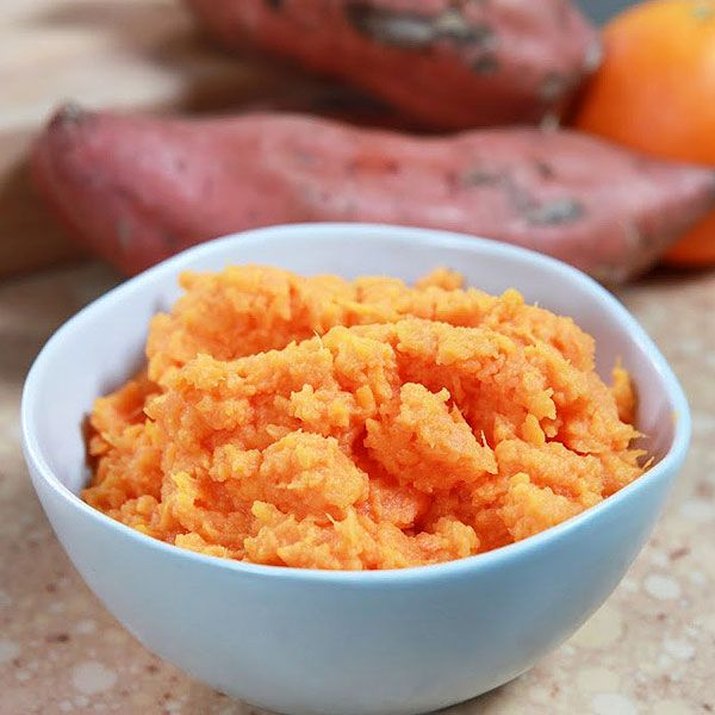
Who can resist fluffy mashed potatoes? (These mashed sweet potatoes are quick, simple and naturally sugary, making them the perfect alternative to the traditional starchy potato side dish.) Swapping the potato with its cousin, the sweet potato, allows you to enjoy the great comfort food taste and texture of the traditional side dish, while gaining the nutritional benefits of fiber and vitamins B6, A and C. Whipping in a splash of orange juice gives these mashed taters a sweet and citrusy flavor that will have you going back for seconds. – in association with Rachael Ray

Related: Watch Mashed Sweet Potatoes with Orange Juice in HD

Image Credit: Gus Philippas ... 7 of 11
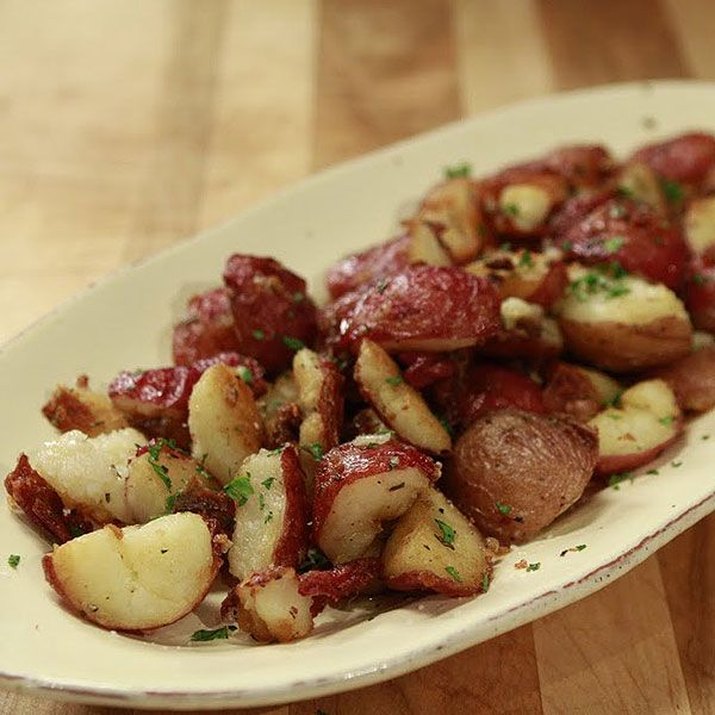
Oven-Roast Them

We're not exaggerating when we say that Josh Ozersky's roasted potatoes are the best ever. Trust us, a little garlic and rosemary turn the ordinary winter root into a mouth-watering side dish. – in association with Rachael Ray

Related: Watch The Best Roasted Potatoes Ever in HD

Image Credit: Gus Philippas ... 8 of 11
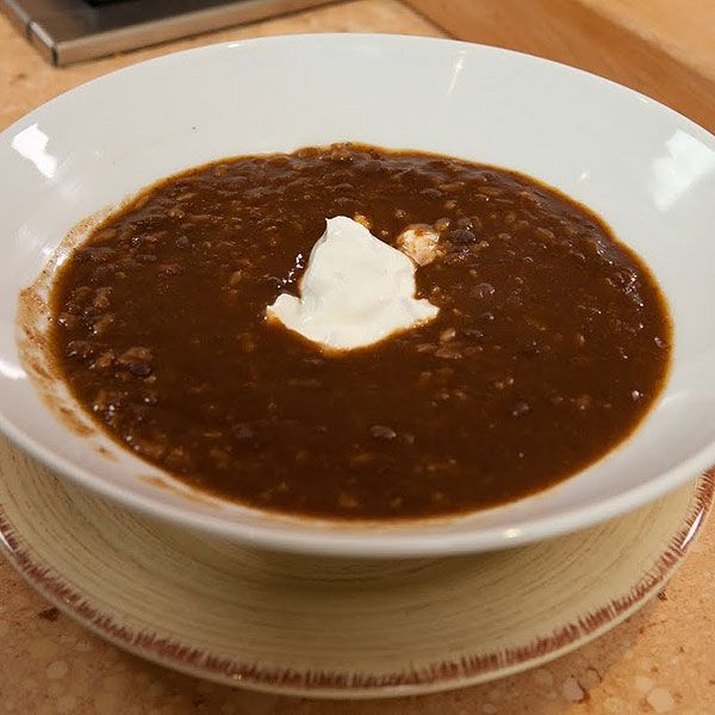
Stir Them Up in a Soup

Louisa Shafia's hearty black bean and squash chili will have even the most avid carnivore going back for a second bowl-full. Swapping out the meat for fresh, seasonal ingredients like winter butternut squash, Louisa's protein-packed chili is both satisfying and heart-healthy. – in association with Rachael Ray

Related: Watch Vegetarian Black Bean and Squash Chili in HD

Image Credit: Gus Philippas ... 9 of 11
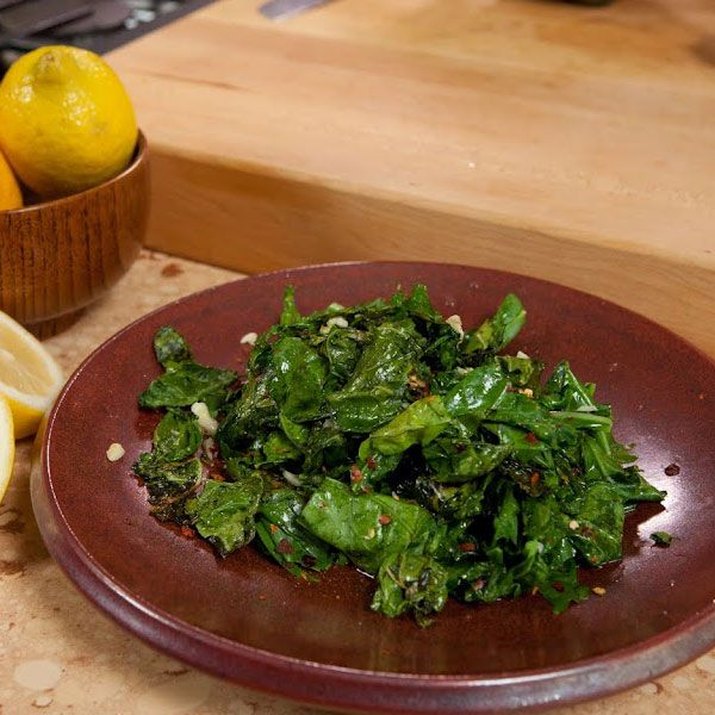
Sauté Them with Garlic

Leafy winter greens such as kale and collard greens are nutrient-packed super foods that are easy to prepare, especially with Louisa's sautéing tips. A little olive oil and garlic bring out the mellow the greens' naturally bitter flavor and make this dish both tasty and healthy. Garlic truly makes everything more delicious—plus its colon-cancer fighting power gives you another reason to break out the sauté pan and olive oil. – in association with Rachael Ray

Related: Watch Sauteed Winter Greens with Garlic in HD

Image Credit: Gus Philippas ... 10 of 11
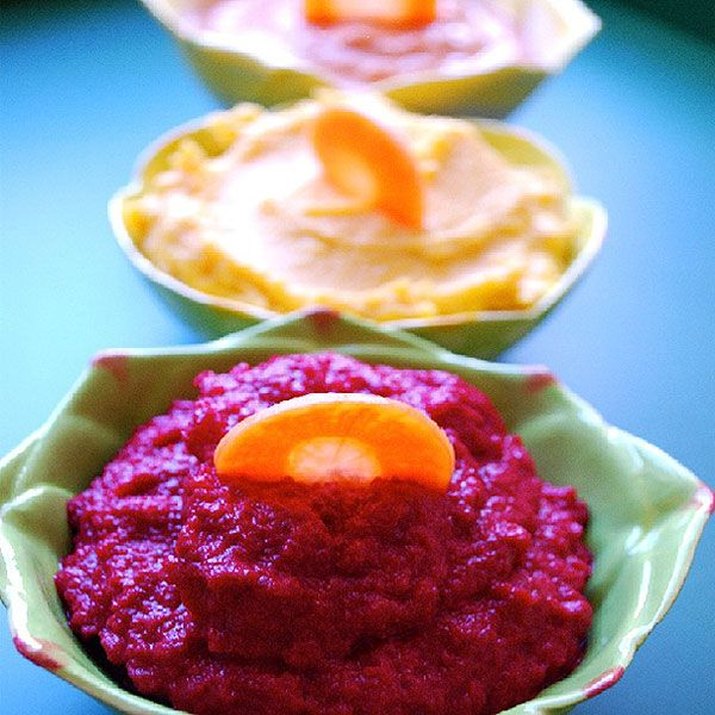
Purée Them into Dip

Homemade dips made with fresh, seasonal ingredients are a great way to scoop up another serving of veggies. Filled with protein and mono-saturated heart-healthy fats, hummus is the ultimate healthy snack food. Add even more flavor and nutrients to classic hummus by puréeing winter veggies such as beets and winter squash into the dip.

Related: Louisa's creative ways to add veggies to hummus

Image Credit: Gus Philippas ... 11 of 11

Bake Them into Bread

Louisa's cinnamon squash spice bread takes the ordinary gourd to extraordinary deliciousness. Chock full of nuts, spices and veggies such as pumpkin and squash, this isn't your typical sweet loaf. High in protein, fiber and vitamins this bread is a sweet treat that will satisfy your sweet tooth without the guilt. – in association with Rachael Ray

Related: Watch Cinnamon Spice Squash Bread in HD

Image Credit: Gus Philippas

What Is the Acidity Level of Orange Juice?

Orange juice glass jar shot on rustic wooden table What Is the Acidity Level of Orange Juice? Image Credit: fcafotodigital/E+/GettyImages

The acidity of foods and beverages is rated on a pH scale ranging from zero for highest acidity to 14 for highest alkalinity, which is the opposite of acidity. A food or drink with a pH of 7 is considered neutral, neither acidic nor alkaline. The pH of orange juice is between 3.30 and 4.15 depending on the variety of the fruit, where and how it's grown and how it is processed. Whether acidic foods and drinks are helpful or harmful to your body has been a hot topic of discussion in recent years.

Video of the Day

Comparing pH of Orange Juice

To compare orange juice with other fruits and fruit juices, remember that lower pH values equal higher acidity:

  • Lemon juice: 2.00 to 2.60 pH
  • Lime juice: 2.00 to 2.35 pH
  • Grape juice: 3.30 to 3.50 pH
  • Orange juice: 3.30 to 4.15 pH
  • Peaches: 3.30 to 4.05 pH
  • Apple juice: 3.35 to 5.60 pH
  • Pomegranate juice: 3.50 pH
  • Prune juice: 3.70 to 4.00 pH
  • Apricot nectar: 3.78 pH
  • Blackberries: 3.85 to 4.50 pH
  • Tomato juice: 4.10 to 4.60 pH
  • Mango juice: 4.60 pH

According to this list, lemon juice has the highest acidity of the fruit juices listed, while mango juice has the lowest acidity level. Whether or not the acidity of a food will affect you depends partly on how much of it you consume. For example, a squeeze of lemon in your iced tea or water won't have the same effect as a glass of lemonade.

Individual tolerance for acidity varies among people. Many people aren't bothered by orange juice at all but can't tolerate tomato-based foods and vice versa. Fruits can be deceiving too, considering that grape juice is more acidic than orange juice, so don't rule out any fruit or juice as being too acidic until you look into it.

Choosing Alternative Beverages

If you're looking for alternatives to orange juice, you might be surprised to learn that many non-juice drinks are acidic too. For instance, the pH of Coca-Cola at 2.525 pH makes it the third-most acidic soft drink after RC Cola (2.387 pH) and Cherry Coke (2.522 pH).

Compare the acidity of orange juice with other common beverages:

  • Orange juice: 3.30 to 4.15 pH
  • Mineral water: 4.00 to 11.60 pH
  • Coffee: 6.20 pH
  • Carrot juice: 6.40 pH
  • Tap water: 6.50 to 8.50 pH
  • Distilled water: 7.00 pH
  • Tea: 7.20 pH

Understanding the Effects of Acidic Beverages

Acidic drinks like orange juice can affect the upper gastrointestinal tract of some people, resulting in acid reflux, heartburn, sour stomach or other unpleasant conditions. However, fruit juices are still beneficial for their nutrients. Different parts of the body have different pH levels depending on their purpose. Blood pH is slightly alkaline — around 7.35 to 7.45 pH — while the stomach, with a 3.50 pH, needs to be acidic to break down food.

Some researchers were concerned that consuming too much acidic food and drink could make the blood too acidic, and the body would compensate by pulling alkaline material from other parts of the body. For example, they theorized that calcium might be leached from the bones to counter the acid, putting the body at risk for osteoporosis or other diseases.

However, studies have not shown that the food and drink you consume changes your blood pH. In fact, fruit and fruit juices have an alkalizing effect on the body once they are metabolized, even if they start out acidic. If orange juice bothers your stomach, experiment with other juices that are less acidic, or choose neutral water spritzed with orange or lemon for flavor if you like.

Deriving Other Benefits From Oranges

  • Treating colds quickly. The vitamin C in oranges and orange juice can help a cold or its side effects go away more quickly than just letting the virus run its course.
  • Flushing out phlegm. The citric acid in oranges and orange juice also helps get rid of the phlegm that forms with the cold virus and other upper-respiratory conditions.
  • Keeping phlegm from forming. Consuming oranges and orange juice also keeps too much phlegm from forming.

Brands of Vanilla Liqueur

... Vanilla flavoring is used in vanilla liqueur.

Vanilla liqueur is a combination of a spirit and vanilla flavoring. Different types of alcohol are used in different brands of vanilla liqueur. These various alcohols combine with the vanilla flavoring in a variety of ways. Choose the brand that tastes best to you.

Video of the Day

Brandy is made from wine, and it is typically served with ice or water. A number of dessert recipes call for the use of brandy due to its rich flavor. A type of vanilla liqueur cognac (a member of the brandy family) is Navan Natural Vanilla Liqueur. It is manufactured by Grand Marnier, a high-end manufacturer of cognac. Grand Marnier uses natural vanilla beans, not extract, giving Navan a smooth and spicy vanilla flavor.

Vanille Royale

Vanille Royale is a combination of French vanilla creme and cognac. The cognac provides richness, the French vanilla creme brings smoothness. The combination creates a rich, creamy, almost buttery taste, with a semblance of thickness. This liqueur feels more heavy and dense as opposed to liqueur similar to Navan. The density of the liqueur subdues the vanilla taste, making it subtle when mixed.

Kajmir Vanilla Liqueur

Kajmir Vanilla Liqueur is a combination of vanilla flavoring, brandy and vodka. This liqueur combines the sweet vanilla flavor, the rich brandy taste and the bitterness of vodka. Kajmir is a lighter, more airy liqueur, with the vanilla flavor up front and a mildly bitter aftertaste.

Kahlua French Vanilla

Kahlua is widely noted for its liqueurs. Kahlua French Vanilla liqueur provides a thick French vanilla taste with notes of coffee flavoring. Kahlua is made with vodka, so there is some bitterness, but it is easily masked when mixing this thick liqueur with a non-alcoholic beverage. It works well with coffee and coffee-related drink recipes.

What Are the Dangers of Unrefrigerated Milk?

0

... Milk can be hazardous to your health if left unrefrigerated.

Milk is generally known for it's nutritional qualities. It contains calcium and vitamin D, which are important for bone health. However, if milk is not refrigerated for more than 10 minutes it can become hazardous to your health. Before drinking milk, you need to be aware of dangerous foodborne illnesses that can develop in milk that is not refrigerated properly.

Video of the Day

Salmonella

Salmonella is a deadly foodborne illness that can develop in unrefrigerated milk. It occurs withing 48 hours and causes vomiting, abdominal cramping, headaches, nausea, diarrhea and fever. If unrefrigerated milk develops salmonella and comes in contact with other foods it will contaminate that food as well.

Shigella Bacteria

Shigella bacteria starts to develop in milk once it has reached room temperature. Like salmonella, it causes vomiting, abdominal pain, diarrhea and fever, plus blood, puss or mucous in the stool. Symptoms subside within 6 days from onset. Shigella bacteria is also spread when proper sanitary habits, such as hand-washing, are not practiced.

Staphylococcus Aureus

Staphylococcus aureus can occur when milk reaches room temperature. Symptoms of consuming milk with stayphylococcus bacteria can occur within 6 hours. These symptoms include nausea, vomiting and abdominal cramps. Symptoms usually subside within three days, but may last longer if dehydration has occurred.

Listeria Monocytogenes

Listeria monocytogenes can cause symptoms such as fever, muscle aches and diarrhea. In severe cases it can cause an infection that spreads to the nervous system. If this occurs the individual that consumed the contaminated milk may experience convulsions, loss of balance and confusion. People with weakened immune systems such as pregnant women or the elderly may die from listeria.

11 Tasty Squash Recipes That Are Surprisingly Easy

0

Squashes are some of the most colorful and versatile vegetables in your supermarket's produce section, and they're available year-round. Conveniently, tender summer squashes work well in light warm-weather dishes, while rich winter squashes are ideal for cold-weather meals. Both summer squashes and winter squashes are healthy and nutritious foods, that deserve to play a bigger role in your kitchen. If you're on the lookout for easy and appealing squash recipes, try these 10 for some culinary inspiration.

10 Tasty Squash Recipes That Are Surprisingly Easy

Video of the Day

1. Butternut Squash and Sausage Pasta

Hearty, easy-to-make recipes are handy to have at any time of the year, but they're especially welcome when the weather turns cold. That's an ideal time to make up this butternut squash and Italian sausage pasta dish, with its comforting mix of flavors and textures. If you make it with pre-cooked Italian sausage, it all comes together in a single pot and you can simplify your prep even more if you buy your squash already diced. The basic recipe lends itself to improvisation, so feel free to swap out the cheeses, the pasta or even the squash for your favorite alternatives.

Visit Page Overhead shot of two white plates of penne with squash and sausage on a rustic table, surrounded by the dish\'s ingredients and a clean kitchen towel

2. Butternut Squash Soup

Your supermarket's produce department probably stocks several winter squashes during the colder months of the year, but the largest display will almost always feature butternut squashes. Their thick, meaty neck and small seed cavity gives you the maximum amount of squash for your investment in prep time, and it just happens to make a beautifully rich, silky-smooth soup. You can roast, steam or pressure-cook the squash — whichever you prefer. If you get the rest of the soup ingredients underway while the squash is cooking, you can make it from start to finish in an hour or less.

Visit Page A white bowl of squash soup, garnished with a single sage leaf, surrounded by a spoon, napkin and additional sage leaves

3. Baked Acorn Squash

Some squashes, from the larger butternuts to behemoth Hubbards and banana squashes, are tasty but much too large for a weeknight meal. Smaller squashes, including the widely available acorn varieties, are just the right size for two to four diners. Halved, roasted acorn squash makes a fine side dish for any autumnal menu, and it's usually ready in well under an hour (depending on size). They're even small enough to fit into the oven alongside a roast or a bird, which makes meal prep extra-convenient. Depending on your taste and the meal you're serving it with, you can skew the squash in a sweet or savory direction by your choice of seasonings.

Visit Page An overhead view of a halved, baked acorn squash with spices and syrup in the cavity

4. Stuffed Acorn Squash

This delicious stuffed acorn squash makes the perfect side or entrée. Combine flavors from savory sausage and sweet apple for a tasty seasonal meal. Plus, it can be easily transformed into a vegetarian-friendly dish by omitting meat.

Stuffed Acorn Squash

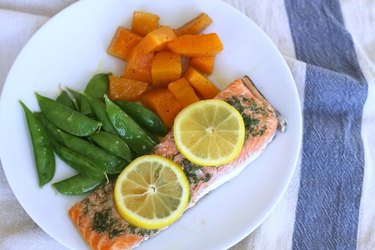
5. Salmon With Dill, Butternut Squash and Snap Peas

One-pot meals are popular because of their convenience, and because they create minimal mess for afterwards. During the months when it's not too hot to have your oven on, sheet pan dinners offer the same level of convenience through roasting. The best recipes take full advantage of ingredients that thrive in the oven's dry heat, like this salmon dinner with butternut squash and snap peas.

Visit Page Overhead view of baked salmon topped with herbs and lemon slices, on a white plate with baked squash and snap peas

6. Spaghetti Squash "Pasta"

For anyone who's low-carbing or can't/won't eat gluten, comforting pasta dishes can be some of the hardest things to give up. There are a variety of potential replacements, from rice noodles to gluten-free pasta to carb-free konjac noodles, but one of the simplest and tastiest is spaghetti squash. Cooked and shredded spaghetti squash can be used as a straight-up pasta replacement with your favorite sauces and garnishes.

Visit Page Overhead view of a white bowl on a rustic wooden table, filled with long noodle-like threads of spaghetti squash

7. Roasted Butternut Squash

Squash's versatility means you can make it as simple or as sophisticated as you choose, whichever works best for your skill level and the overall meal you're preparing. Roasted butternut squash definitely falls on the simple side of the scale. The meaty squash has a relatively small cavity, so there's also minimal waste. Just cut the squash into halves or wedges, and roast for up to an hour – depending on its size – until it's completely tender. You can serve the squash as-is, with sweet or savory seasonings, or scoop out the cooked flesh once it's cooled and use it as an ingredient in other squash recipes.

Visit Page A single whole, uncooked buttercup squash standing upright on a textured brown surface, with a textured beige background

8. Roasted Spaghetti Squash

Squashes are mostly categorized as tender "summer" varieties or hard "winter" varieties, but spaghetti squash occupies a sort of middle ground. You can prepare it in many ways, but roasting it and then using a fork to pull out the noodle-like threads is most common. Once it's prepared, you can use it to replace Western-style pasta or Asian noodles in your favorite dishes, or simply stir-fry it like any other vegetable. For an appealing hint of smoky flavor, give the squash a few minutes on a grill or under your broiler at the end of its cooking time.

Visit Page A serving of spaghetti squash topped with tomato sauce, basil and parmesan, in a white pasta bowl surrounded by bay leaves and a bulb of garlic

9. Ritz Squash Casserole

Casseroles are a great convenience food, perfect for anything from potlucks and other social occasions to easy weeknight meals at home. Unfortunately many casserole recipes are unnecessarily stodgy and heavy, filled with starchy potatoes, rice or pasta. This Ritz-topped squash casserole makes for a refreshing change from the usual. It's made from yellow crookneck or other summer squashes, and it contains relatively modest quantities of cheese. The golden topping of crushed crackers gives it a pleasant textural contrast, without taking away from the summery lightness of the dish.

Visit Page Squash casserole in a red fluted baking dish, displayed on a wooden cutting board alongside white side plates and spoons

10. Cooking Yellow Crookneck Squash

Yellow crookneck squash isn't as widely used as the more familiar zucchini, but its flavor and uses are very similar. That means any recipe you have for zucchini works equally well with its yellow cousin, and is no harder to make. You can opt to simply sauté sliced crookneck in oil and season it with salt and pepper or fresh herbs, or cook it in a skillet with other seasonal vegetables as this recipe does. Either way, its subtle fresh flavor works well as part of a lighter meal.

Visit Page A group of yellow crookneck squash on a dark wooden surface, with a chef\'s knife and a blue kitchen towel

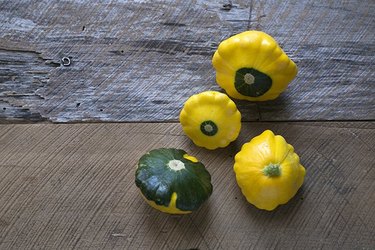
11. How to Cook Pattypan Squash

Winter squashes are rich and sweet, but summer squashes have a lighter, fresher flavor with its own appeal. Zucchini is the most familiar, but there are summer squashes in all different shapes, sizes, and variations of green and yellow. One of the smallest and most appealing is the pattypan, resembling a small spinning top with scalloped edges. You can roast, grill or saute these tiny, tasty squashes. They're usually small enough to cook whole or even stuff, but you can also halve, quarter or slice them.

Visit Page An overhead view of a random arrangement of four pattypan squash on a rustic wood surface