Home Blog Page 74

How to Tell When Your Homemade Wine Is Spoiling?

0

Things You\’ll Need

  • Homemade wine

  • Corkscrew

  • Wine glass

  • Bowl

... Check to see if your homemade wine is safe to drink using these steps.

Few things are more terrible than taking a sip of homemade wine that has gone bad and finding yourself drinking something closer to vinegar than fine wine. Bad wine is the result of chemical changes that have taken place in the liquid, making the wine unhealthy to drink and unappetizing to the taste buds. You can easily prevent drinking bad wine by taking just a minute to check the wine before drinking. Identifying how your wine has gone bad can also help you to alter and refine your wine-making and storing process in the future.

Video of the Day

Step 1

Uncork the wine bottle and sniff the wine to check for oxidation. Bottles of wine that are improperly stored can become oxidized. Oxidized wine will have the same smell as vinegar, a pungent smell that you will not miss.

Step 2

Sniff the wine to check to see if the wine is "corked." Corked wine occurs when a wet cork has been inserted into a bottle, resulting in a mold that grows inside of the wood. The mold is transferred into the wine during the storage process, giving the wine a musty, cardboard smell. If the wine smells like cork or cardboard, it is laced with this mold and unsafe to drink.

Step 3

Check to make sure the wine isn't "maderized," or cooked. If the wine is improperly stored in a warm or hot area, it can actually become cooked over time. Pour the wine into a clear glass and examine its color. Cooked wine has a brownish color to it and smells caramelized.

Step 4

Check to make sure you stored the wine properly by sniffing the wine to see if it has a sulfur smell. If you added too much sulfur dioxide during the bottling process, the wine can smell like rotten eggs, meaning that it has too much added sulfur and is dangerous to drink. If the wine has passed all of the steps above, continue to the tasting step.

Step 5

Take a sip of wine from the glass and hold it in your mouth for a moment to make sure the wine isn't refermented. Refermentation occurs when dormant yeasts wake up, causing the wine to go through a second fermentation. If the wine is refermented, you will feel a fizz or carbonation on the end of your tongue, similar to what you might expect from the champagne. Spit out the wine into a bowl after tasting.
Apple Cider Cake Recipe

0

Apple cider cake makes for a delicious, cozy treat during the fall and winter months. This moist, warmly-spiced recipe is easy to prepare and is quite the crowd-pleaser for guests. Plus, the fact that it contains fruit makes it fully acceptable for breakfast or snack, right? Whip up a glaze or cream cheese frosting to top this magnificent dessert, and enjoy!

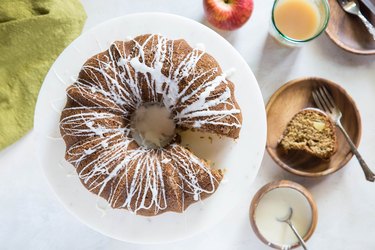
top down image of apple cider bundt cake with slice taken out Apple Cider Cake Recipe Image Credit: Julia Mueller

Video of the Day

Things You\’ll Need

  • 4 large eggs

  • 1 cup cane sugar

  • 3/4 cup pure maple syrup

  • 1/3 cup canola oil

  • 1/4 cup unfiltered apple cider

  • 2 1/4 cups all-purpose flour

  • 2 tsp baking powder

  • 1 tsp baking soda

  • 2 tsp ground cinnamon

  • 1/2 tsp ground nutmeg

  • 1/2 tsp ground cloves

  • 1/2 tsp sea salt

  • 1 large apple, peeled and chopped (about 2 cups)

  • Powder sugar glaze or cream cheese frosting for frosting the cake

Step 1

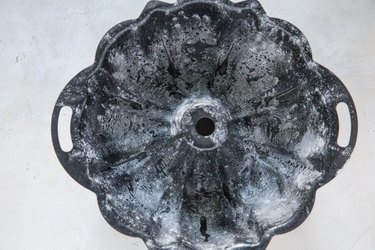
Preheat the oven to 300° F. Lightly spray a bundt cake pan with cooking oil, then sprinkle it with flour. You can also use a 13" x 9" cake pan if you don't own a bundt cake pan.

bundt pan with flour sprinkled in Oil and flour a bundt pan Image Credit: Julia Mueller

Step 2

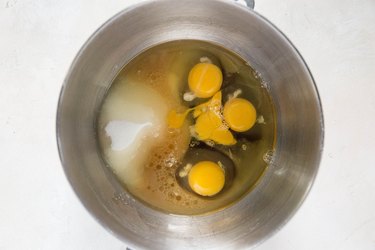
Add the eggs, sugar, pure maple syrup, canola oil and apple cider to a stand mixer or a mixing bowl. Mix on medium speed until combined.

mixer with cake ingredients Mix the wet ingredients with the sugar Image Credit: Julia Mueller
Step 3

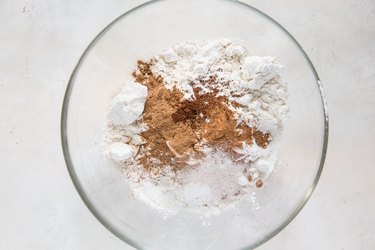
In a separate bowl, add the flour, baking powder, baking soda, ground cinnamon, nutmeg, ground cloves and sea salt. Stir together well until combined.

Dry cake ingredients in a bowl Stir together the dry ingredients Image Credit: Julia Mueller

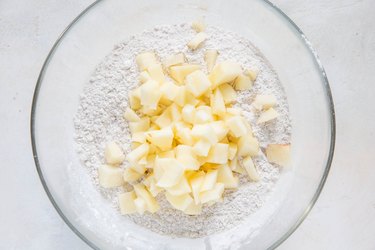
Add the chopped apple to the bowl of dry ingredients and stir well.

Chopped apple and flour in a bowl Add chopped apple to flour mixture Image Credit: Julia Mueller

Step 4

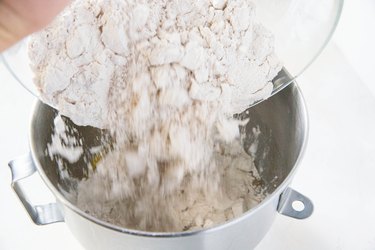
Add the flour/apple mixture to the mixing bowl with the wet egg mixture.

Pouring flour into mixer Pour flour mixture into mixing bowl with wet mixture Image Credit: Julia Mueller
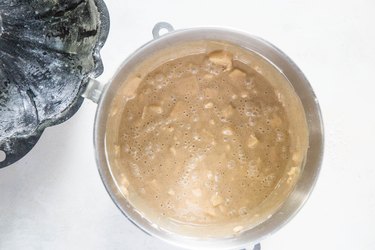
Beat on medium speed until combined.

stand mixer with cake batter Beat until combined Image Credit: Julia Mueller

Step 5

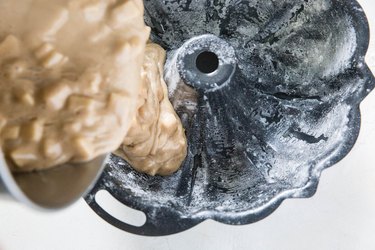
Pour the cake batter into the prepared bundt cake pan.

Batter being poured into cake pan Pour cake batter into bundt cake pan Image Credit: Julia Mueller
Step 6

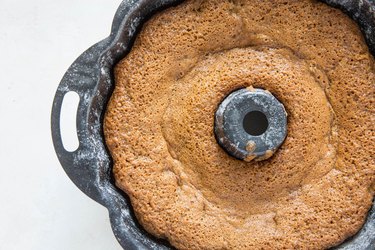
Place cake pan on the center rack of the preheated oven and bake for 1 hour, or until cake tests clean when poked with a toothpick.

Cake in a cake pan Bake the cake for 1 hour at 300 degrees F Image Credit: Julia Mueller
Step 7

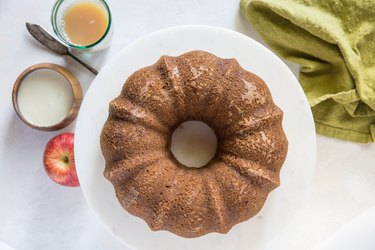
Allow the cake to cool for at least 30 minutes. Run a butter knife between the cake pan and the cake to help loosen it. Turn cake out onto a plate, cake stand or a cutting board.

Cake on a cake stand Allow cake to cool Image Credit: Julia Mueller

Step 8

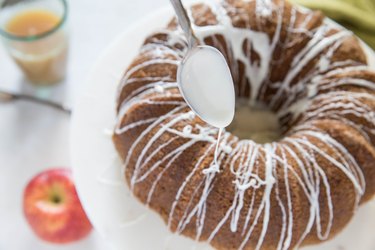
Once the cake is completely cool, frost it with your favorite frosting. A powdered sugar glaze or cream cheese frosting works great.

Cake being drizzled with glaze Drizzle cake with frosting Image Credit: Julia Mueller

Step 9

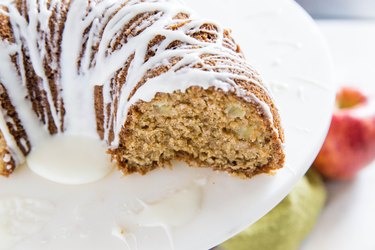
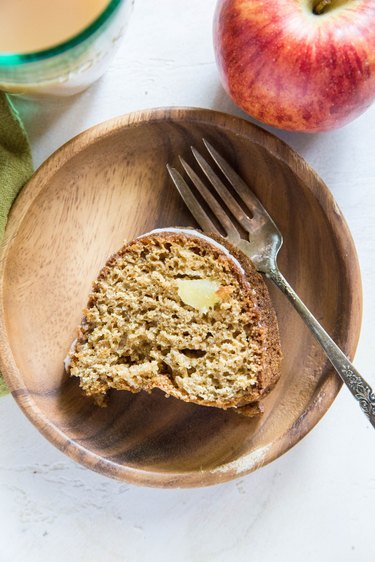
Cut the cake into generous slices and serve!

Bundt cake with slice removed Cut and serve Image Credit: Julia Mueller A slice of apple cider cake on a plate Cut generous slices Image Credit: Julia Mueller

Types of Edible Mushrooms

0

Mushrooms mushrooms Image Credit: Hemera Technologies/AbleStock.com/Getty Images

Edible mushrooms grow in the wild, can be grown in your garden and are also readily available at grocery stores and farmers' markets. Mushrooms are not vegetables, but rather part of the fungi family, which is why the distinction between edible and poisonous mushrooms is important. There are many different types of edible mushrooms, each with its own specific flavor that can be used for cooking or eating raw. The five most popular types of edible mushrooms include button, shiitake, portobello, chanterelles and puffballs.

Video of the Day

Button Mushrooms

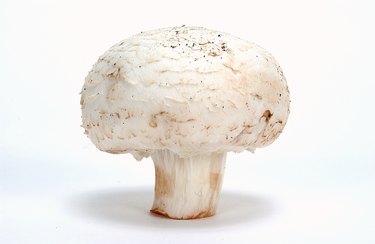
Button mushroom mushroom Image Credit: Jupiterimages/Photos.com/Getty Images

Also known as "table" mushrooms, the button mushroom is one of the most common types of mushrooms for salads and cooking. Button mushrooms are white in color, with small caps and stems, and all parts of the mushroom are edible. Button mushrooms are packaged fresh in the produce section and are also available canned.

Shiitake Mushrooms

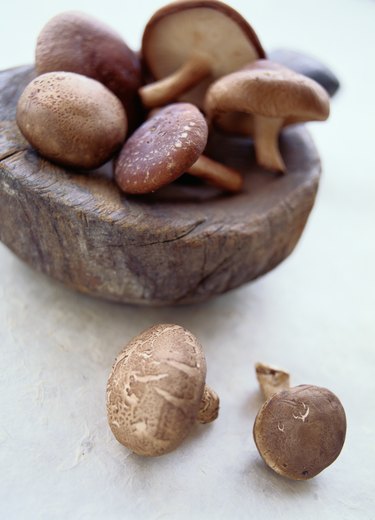
Shiitake Mushrooms mushrooms Image Credit: Ryan McVay/Photodisc/Getty Images

Shiitake mushrooms come from Asia and are widely used in many Asian recipes, though they have become increasingly popular in North America. They are typically brown in color with a cap that is approximately two to four inches in diameter. The flavor of the shiitake mushroom has an oaky or woodsy flavor. Choose mushrooms that are firm and plump. Avoid wrinkled, wet and slimy mushrooms.

Portobello Mushrooms

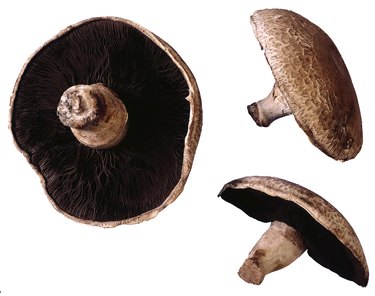
Portobello mushrooms mushrooms Image Credit: Brand X Pictures/Brand X Pictures/Getty Images

Portobello mushrooms, also known as "field mushrooms," have large open caps and a rich, meaty flavor. They are found growing wild in their native Europe, though they are now considered a delicacy and are widely cultivated. They are very thick in texture and are often used as meat substitutes in many vegetarian dishes. The caps are approximately four to six inches in diameter and the color is usually a dark brown. Grilling the portobello mushroom is the recommended method of cooking to bring out its distinctive flavor.

Chanterelle Mushrooms

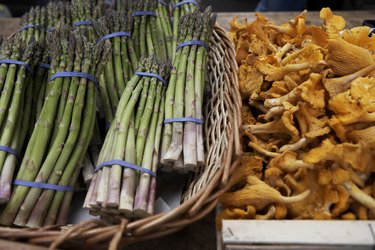
Basket of asparagus and chanterelle mushrooms on market stall mushrooms Image Credit: Michael Blann/Digital Vision/Getty Images

Chanterelle mushrooms are also known as "golden chanterelles" because of their golden appearance. Their caps are trumpet-shaped with wavy edges, and can range in size from very small in Europe and Asia, to as large as a fist in the United States. Chanterelles have a strong, fruity aroma, similar to apricots. They are primarily found in the wild and are difficult to cultivate, though they are highly coveted by chefs because of their inimitable flavor and their ability to enhance the flavor of a specific dish.

Puffballs

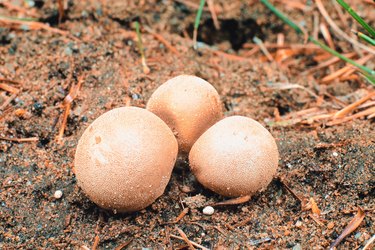
Puffball mushrooms mushrooms Image Credit: Jupiterimages/Photos.com/Getty Images

Puffball mushrooms can range in size from as small as a golf ball to as large as a soccer ball. They typically have no stems and vary in color from whitish grey to purplish brown, depending on the age of the mushroom. The inside of the puffball is solid and when sliced open should be completely white. If there are any traces of brown or yellow, this will ruin its flavor. It is recommended to sauté the puffball mushroom for optimum flavor.

How to Make Blueberry Wine

0

Wet fresh Blueberry on wooden background Turning blueberries into wine can take up to 6 months. Image Credit: Kaleidoscope_/iStock/Getty Images

Fresh, ripe blueberries can be transformed into a complex-tasting, indigo-tinted wine. Although blueberries are available throughout the year, they are at their peak in July. For the best results in making wine, WineMaker magazine advises that you choose berries that are firm, and deep blue in color, with a translucent silver coating.

Video of the Day

The First Steps

To create a dry, fruity wine, you will need a ratio of 2 parts berries to 1 part sugar. For approximately 1 gallon of wine, use 3 pounds of berries to 1 1/2 pounds of sugar.

Put the clean, fresh blueberries into a food-grade nylon mesh bag, and place the bag into a clean, 2-gallon plastic food-grade bucket; this bucket is referred to as the primary. Pour in the sugar. Add 10 cups of boiling water.

Stir the mixture, making sure to dissolve the sugar and slightly mash the berries to release their juices. Cover the bucket with a clean cloth and let it sit overnight.

Turning Fruit into Wine

To aid in the fermenting process, and to round out the flavors in the wine, you will need to add a few ingredients.

  • Red wine yeast will be responsible for fermentation.
  • Orange juice is mixed with the yeast to start the growth process and to add flavor to the wine.
  • Campden tablets act as a sanitizer and will keep bacteria at bay.
  • Pectin enzyme will clarify the wine and keep the berries from coagulating.
  • An acid blend — which is a combination of the three most common acids found in fruit: citric, malic and tartaric — brings out the flavors of the berries and will give your wine a bit of tartness.
  • Adding red grape juice concentrate will enhance the berry taste and create a deeper, more complex wine.
  • Freshly grated lemon zest will brighten the berry flavor, complement the orange juice and bring in additional citrus notes.

The Method

Once the mixture, also called must, has sat overnight, mix the package of yeast with 1 cup of orange juice. Allow the yeast to sit for an hour until the mixture is foamy.

Add a crushed Campden tablet, 1 teaspoon of pectin enzyme, a ½ teaspoon of the acid blend, 1 cup of the grape juice concentrate and a ½ teaspoon of lemon zest. Combine the ingredients well.

Stir the yeast mixture into the must, and blend well. Cover the bucket with a cloth, and place it in a slightly warm, dark place to rest for 7 days.

Check on the bucket once a day, stirring the liquid to blend the ingredients.

Not Before Its Time

After a week, pull the nylon mesh bag out of the bucket. Using a very fine mesh sieve, strain the liquid into a clean glass gallon-size jar. Make certain, when pouring, that any sediment is left behind in the bucket.

Add additional water if necessary to top off the gallon.

Cap off the jar with an air-lock cap, that will keep air out of the container and ensure that your wine does not spoil. Let the jar rest for 60 days before bottling.

After 2 months, the wine is ready to be poured into clean, well-sanitized wine bottles. Age the bottles for at least 3 — and up to 6 — months before drinking.

Snowman Cheese Ball Recipe

0

Everyone likes a cheese ball, it's true. They're fun, versatile and super easy to throw together. But why stop there? It's holiday season, so why not make it look like a snowman? It's an adorable and delicious way to feed guests at your holiday party.

Cheese Ball Snowman Recipe

Things You\’ll Need

  • 8 oz cream cheese, softened

  • 1 teaspoon salt

  • 1 teaspoon onion powder

  • 1 teaspoon garlic powder

  • 1/4 teaspoon smoked paprika

  • 1/4 cup shredded cheddar cheese

  • 1 cup finely grated parmesan cheese

  • 1 small baby carrot

  • 6 dried currants

  • crackers for serving

Cheese Ball Snowman Recipe

Step 1

Add the cream cheese, salt, onion powder, garlic powder, smoked paprika and cheddar to the bowl of a stand mixer. Mix until well combined.

Cheese Ball Snowman Recipe

Step 2

Split the cheese mixture in half, roll each half into a ball, then roll in the parmesan until well coated.

Cheese Ball Snowman Recipe

Step 3

Wrap each ball tightly in plastic wrap. Refrigerate for 1 hour and up to 3 days.

Cheese Ball Snowman Recipe

Step 4

Assemble on a serving platter. Use the baby carrot as a nose and the currents as eyes, smile and buttons. Serve with crackers and enjoy!

Cheese Ball Snowman Recipe

Eat Like Natalie Portman: 7 Egg-Free & Dairy-Free Recipes to Try for Clearer Skin

0

Environmental Media Association\'s 27th Annual EMA Awards - Red Carpet 1 of 8

While award-winning actress, director and producer Natalie Portman is making headlines for her bold statement at the Golden Globes and her upcoming film Annihilation, her flawless skin has become yet another hot topic of conversation. Portman ultimately credits her healthy glow to one major lifestyle change that any of us can adapt. In a recent interview, she shared that cutting out dairy and eggs was the biggest key to stopping breakouts. Here are 7 delicious egg free and dairy free recipes to try so you, too, can put an end to the breakouts!

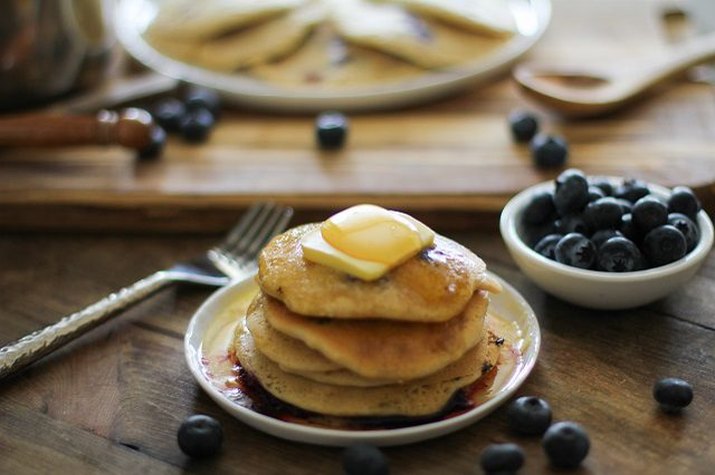
Image Credit: Jerod Harris/Getty Images Entertainment/GettyImages The Healthiest Blueberry Pancakes Ever 2 of 8

The Healthiest Blueberry Pancakes Ever

Dairy free, gluten free and full of blueberry goodness… I'll take a tall stack, please!

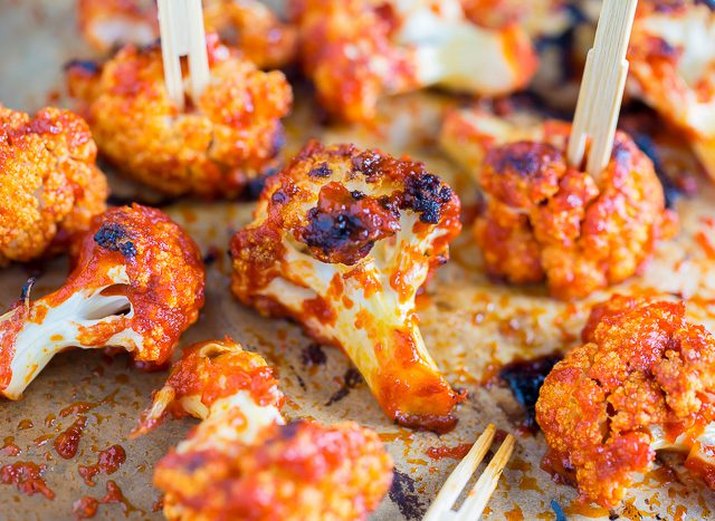
Image Credit: Julia Mueller Buffalo Cauliflower Bites 3 of 8

Buffalo Cauliflower Bites

Elevate your side dish game with these flavor-packed buffalo cauliflower bites. Thank me later.

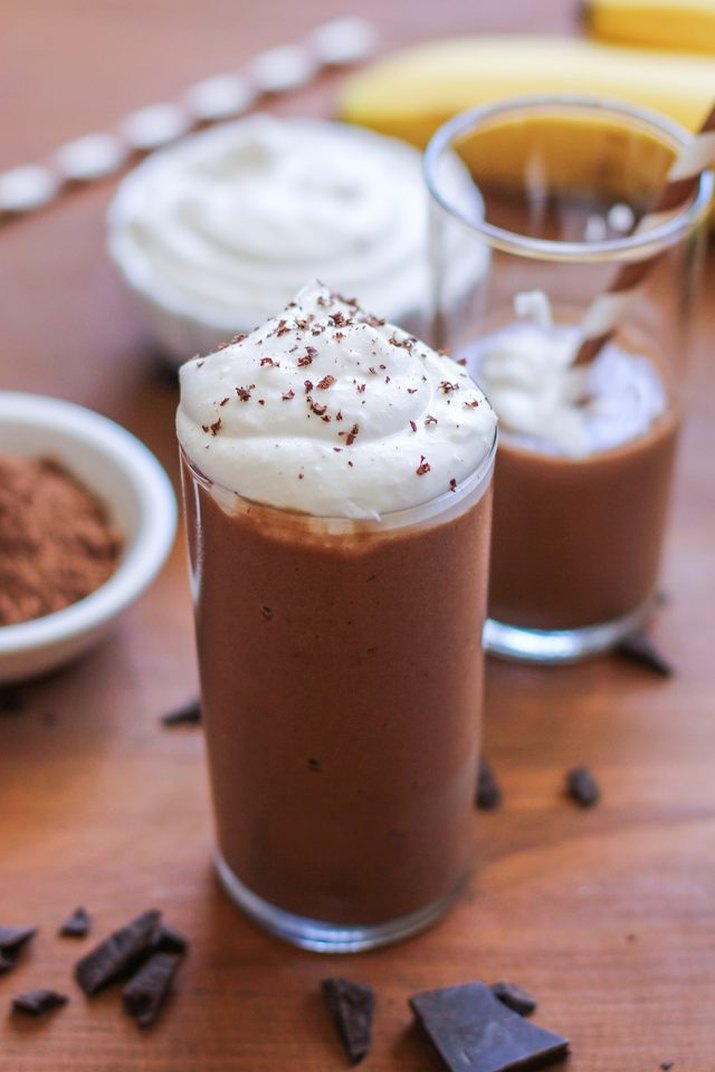
Image Credit: Ashley Manila Healthy (Dairy-Free) Chocolate Shake Recipe 4 of 8

Healthy (Dairy-Free) Chocolate Shake Recipe

A chocolate shake that's made with absolutely no dairy? Yes, this is a real thing and you need to try it ASAP.

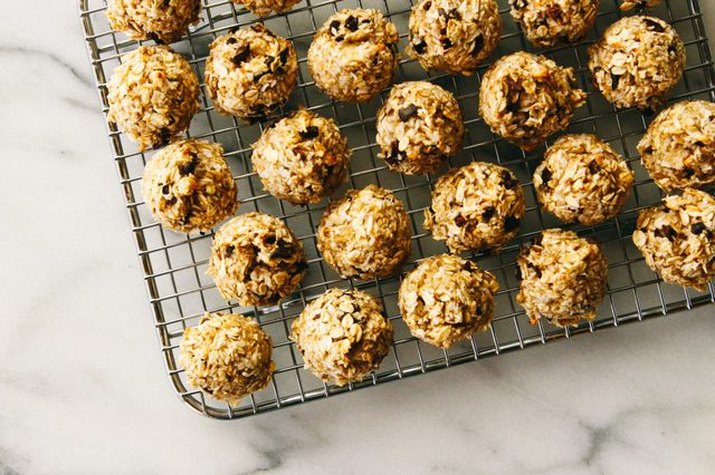
Image Credit: Julia Mueller Coconut Breakfast Cookies with Cacao Nibs 5 of 8

Coconut Breakfast Cookies with Cacao Nibs

Start your morning on a healthy note with these convenient coconut breakfast cookies–no eggs nor dairy included.

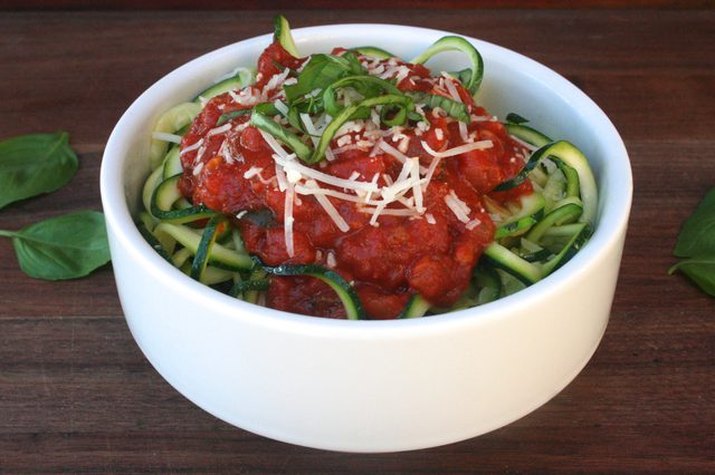
Image Credit: Ashlae Warner Pasta using zoodles 6 of 8

Pasta Using Zoodles (Zucchini Noodles)

Substitute traditional noodles with this healthier alternative and enjoy a guilt-free bowl of tasty pasta.

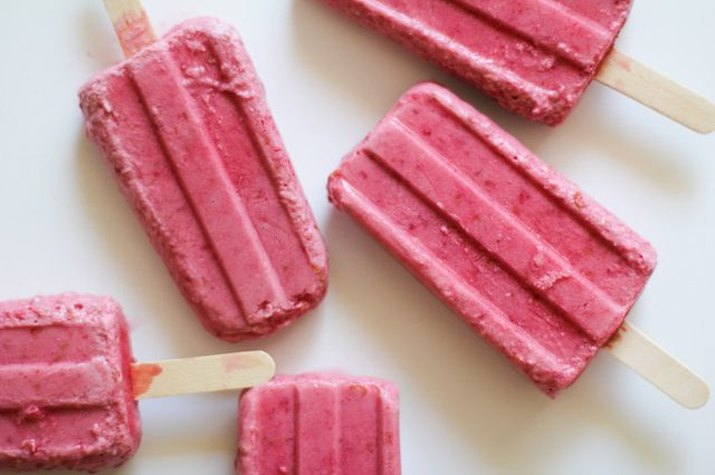
Image Credit: Caroline Stegner Refined Sugar-Free Frozen Fruit Pops 7 of 8

Refined Sugar-Free Frozen Fruit Pops

Here's another dairy free (and sugar free) treat to satisfy that sweet tooth.

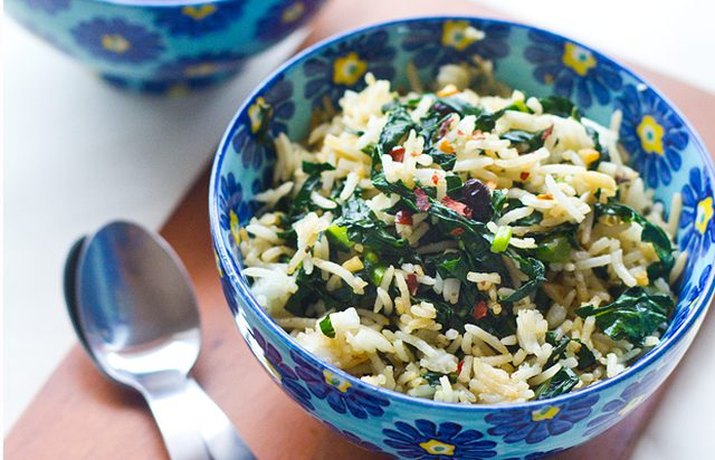
Image Credit: Julia Mueller Kale Fried Rice 8 of 8

Kale Fried Rice

Kale is packed with essential vitamins and nutrients, and it's the perfect complement to this fried rice recipe.

Image Credit: Sala Kannan

How to Keep Caramel Soft When Making Turtles

0

Things You\’ll Need

  • Double boiler

  • 30 to 35 wrapped caramels

  • 14 oz. condensed milk

  • 1/2 cup butter

  • Wooden spoon

  • Wax paper

  • Plastic container

Caramel sauce Melt caramels for turtles slowly to avoid scorching. Image Credit: Brand X Pictures/Brand X Pictures/Getty Images

If you've ever indulged in the candy confection known as turtles, you may have wondered how the caramel stays soft. Turtles are traditionally made with pecans, meant to represent turtle feet and a head. Caramel and then chocolate are poured on top of the pecans, creating a turtle-like look. Although there are many variations of candy turtles, all contain soft, gooey caramel that stays soft long after they are made. Keeping the caramel soft requires proper preparation, as well as proper storage after making the turtles.

Video of the Day

Preparing Caramel

Step 1

Fill the bottom pot of a double boiler with water.

Step 2

Combine about 30 caramels with a 14 oz. can of condensed milk and 1/2 cup of butter in the top pot of a double boiler.

Step 3

Melt the caramels over low heat, stirring frequently to combine the caramels with the milk and butter. Adding milk and butter to the caramels is what helps to keep the caramel soft after the turtles are finished.

Step 4

Prepare your turtles according to the recipe you have while the caramels are still melting, and use the caramel while it is still hot.

Turtle Candy Storage

Step 1

Allow the turtle candy to cool at room temperature. The caramel should still be soft after cooling.

Step 2

Place the cooled turtles in an airtight plastic container, separating layers with wax paper.

Step 3

Store the turtles container in a cool, dry place such as a pantry. Placing them in the refrigerator will cause the caramel to harden slightly.

Tip

Use a slow cooker to melt the caramels. A slow cooker melts the caramel at such a low heat there is little chance of burning, and it helps to maintain a steady heat while you are creating the turtles.

Using pre-made caramels saves times and avoids the possibility of overcooking the caramel, causing it to become brittle and hard.

How to Prepare Portabella Mushrooms for Stuffing

0

Things You\’ll Need

  • Portabella mushrooms

  • Colander

  • Paper towel

  • Knife

  • Small spoon

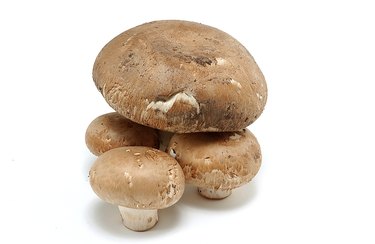
Fresh mushrooms

According to Gourmet Sleuth, the portabella mushroom is simply a large brown crimini mushroom. These mushrooms are popular in a wide variety of dishes, and because of their large caps, they are ideal for being stuffed and baked. Preparing portabella mushrooms for stuffing is a straightforward task.

Video of the Day

Step 1

Moisten a paper towel and use it to gently clean any dirt off of the portabello mushrooms.

Step 2

Place the portabello mushrooms in a colander.

Step 3

Run cold water over the portabello mushrooms for several seconds. Portabello mushrooms will not absorb much water if their contact with water is brief.

Step 4

Pat the portabello mushrooms dry with a paper towel.

Step 5

Cut the stems away using a small, sharp knife. In many stuffed mushroom recipes, they can be minced and added to the stuffing.

Step 6

Scoop out the gills of the mushroom with a small spoon.

Step 7

Stuff your portabello mushrooms.

Tip

Leaving the gills in will reduce the amount of stuffing that you can place in your portabello mushroom, but it will give the cooked mushroom an intense brown color.

The longer you cook a portabello, the meatier the texture will be.

Does Chinese Mustard Have Horseradish in It?

0

Mustard seeds Brown mustard seeds are spicier than yellow. Image Credit: Hemera Technologies/Photos.com/Getty Images

For the brave of heart, Chinese mustard makes an ideal hot dipping sauce for egg rolls, won tons, crab rangoon and other fried appetizers. It also adds a bit of bite to American fast-food staples like chicken nuggets and popcorn shrimp or when used in a pungent sauce for steak. While the Chinese mustard's spiciness might remind you of horseradish, the mustard owes its eye-watering properties solely to the mustard seeds used to create it.

Video of the Day

Enzyme Effect

Chinese mustard's primary ingredient is mustard seed. Its horseradish-like heat doesn't come from horseradish; instead, it's hot because the mustard seed used to create it is highest in myrosinase, an enzyme that causes heat when cracked and mixed with liquid. These brown seeds, from the Brassica juncea mustard plant, result in a mustard that is much more intense than the yellow seed most often used in American yellow "hot dog" mustard.

Prepared vs. Powdered

When you think of Chinese mustard, you may remember the ground powder found in specialty markets. Mustard powder is made by grinding whole mustard seeds into a fine powder. In Chinese and some European mustard powders, the hotter brown seeds are used. Chinese mustard can also refer to prepared versions. These mustards, like Dijon or hot dog mustards, are the ready-to-use condiments with a paste-like consistency, often sold in jars. They're made by mixing mustard powder with a liquid.

Mustard Making

If you can find Chinese mustard powder in an ethnic market, use it to create your own authentic prepared Chinese mustard. Or you can use English mustard powder, which is about as hot and much more readily available. To make Chinese-style mustard, blend equal parts boiling water with English or Chinese mustard powder, stirring vigorously. Then incorporate a drizzle of sesame oil or white vinegar until the mustard reaches the consistency you prefer. Add such Asian spices as ground ginger or Szechuan pepper, if desired.

Horseradish Hijinks

If you crave the flavor, and not just the heat, of horseradish, a few sauces and condiments may be preferable to horseradish-free Chinese mustard. Prepared horseradish combines the grated root with vinegar and sometimes mustard oil. Or, look for horseradish mustard, in which the pungent grated root blends with crushed mustard seeds and a bit of honey for sweetness. Authentic creole mustards also use a bit of horseradish in the mix. For seafood, make or buy cocktail sauce, a red dipping condiment that typically contains horseradish for extra kick.

How to Make Flat Matte Frosting on a Cupcake

0

Things You\’ll Need

  • Powdered sugar

  • Egg whites

  • Lemon juice

  • Mixing bowl

  • Electric mixer

  • Food coloring gel

  • Decorating bag

  • Round decorating tip

  • Spoon

  • Icing spatula

  • Toothpick

  • Tray or plate

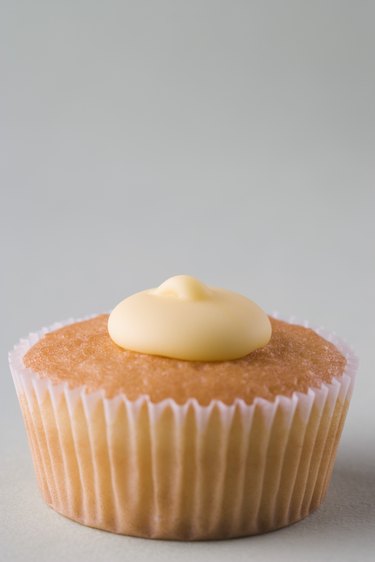
Cupcake Flat, matte frosting works best on relatively flat cupcakes. Image Credit: Jupiterimages/Polka Dot/Getty Images

Cupcakes are sometimes piled so high with frosting that you can't really enjoy the cake. Use a flat, matte frosting if you prefer a balance of cake and icing. Royal icing, commonly used for decorating cupcakes, dries to a hard, matte surface that works particularly well for coloring because light doesn't affect it. On your cupcakes, use a slightly thicker royal icing than you would for cookies; thin frosting can run off domed cupcake edges.

Video of the Day

Step 1

Beat powdered sugar with egg whites and lemon juice until stiff to make the frosting. For every 2 cups of powdered sugar, you need 1 egg white and 1 teaspoon of lemon juice. Mix the ingredients in a chilled mixing bowl with an electric mixer, using chilled utensils.

Step 2

Color the frosting with coloring gel or powders to avoid thinning it out too much as can happen with liquid food coloring.

Step 3

Add the frosting to a decorating bag fitted with a round decorating tip. If you don't have decorating bags and tips, you can use a plastic food storage bag and snip the corner to create a round hole.

Step 4

Squeeze the bag to pipe the frosting around the edge of the cupcake, creating an outline for the matte frosting. Repeat this step with the remaining cupcakes.

Step 5

Squeeze the remaining frosting back into the mixing bowl. Thin it out slightly with more lemon juice and egg white. If you need to make a new batch of frosting, use 1 1/2 teaspoons of lemon juice and 1-1/2 egg whites for every 2 cups of powdered sugar. If you drizzle some of the frosting in the bowl, the frosting ribbon should stay on the surface for several seconds before disappearing in the rest of the frosting.

Step 6

Spoon the frosting onto the cupcakes and use an icing spatula or toothpick to spread it evenly, pushing it up to the edge of the piped icing border. The thinned frosting should distribute easily in a thin layer.

Step 7

Set the cupcakes on a tray or plate and allow several hours for the frosting to harden and develop a matte sheen. It may take the frosting overnight to harden, depending on the thickness of the frosting on the cupcake.

Tip

Depending on how flat you want the frosting surface, you may prefer to simply spread the icing on the cupcakes with an icing spatula and use the thicker royal icing for piping the border. This might be the only option if the cupcakes have a steep dome because thinner frosting won't stay on the cakes.

If you prefer not to use raw egg whites in the frosting, you can substitute meringue powder and warm water. You'll need about 1 tablespoon of meringue powder and warm water for every 2 cups of frosting to achieve the thicker consistency and a bit more of each to make it thinner.