Home Blog Page 59

Watermelon Sorbet Recipe

0

Watermelon Sorbet is the most perfect sweet and frozen treat for the summer! This sorbet is a guaranteed crowd pleaser that comes together quickly and easily using only a few ingredients–and it doesn't even require an ice cream machine to make it. Make this refreshing sorbet now!

Watermelon Sorbet is a perfectly refreshing treat for summer.

Video of the Day

Things You\’ll Need

  • 1 cup granulated sugar

  • 1/2 cup water

  • 7 cups of watermelon, cubed

  • 1 tablespoon lemon juice

  • 1 tablespoon tequila, gin or vodka, optional

Step 1: Make Sugar Syrup

In a small saucepan, combine the sugar and water over medium heat. Bring the mixture to a rolling boil and allow it to boil out for 5 minutes to form a thick syrup. Turn off the heat and set aside.

Cook until the sugar has dissolved.

Step 2: Blend Watermelon

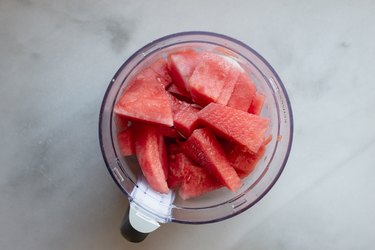
Place the cubed watermelon into a large blender or food processor. Blitz on high speed until it forms a smooth juice. Pour the watermelon juice into a large mixing bowl. Stir in the lemon juice and tequila, gin, or vodka, if using.

Put the watermelon into a blender or food processor and blitz until smooth.

Step 3: Add Sugar Syrup

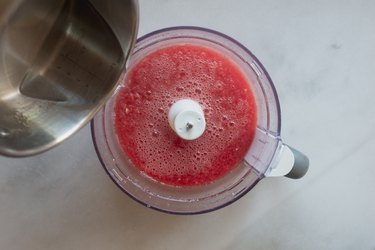
Pour the sugar syrup into the bowl with the watermelon juice. Stir evenly until combined.

Pour in the sugar syrup.

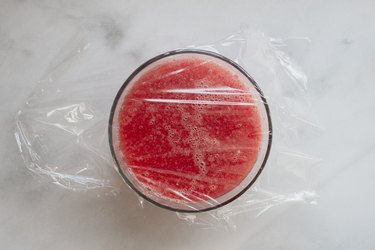
Pour the sorbet into a large dish or container and cover it with a layer of plastic wrap. Freeze until almost firm, about 4 to 5 hours.

Cover and freeze.

Step 4: Re-blend Sorbet

Remove the sorbet from the freezer. Use a large metal spoon to break it up into rough chunks. Transfer the chunks back into the blender or food processor. Quickly process until the sorbet is soft and icy, no more than 30 seconds.

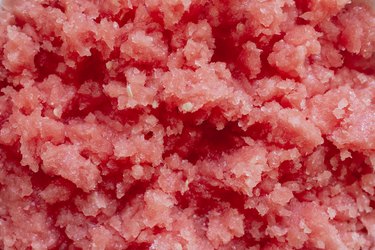
Break the sorbet up into chunks before re-blending.

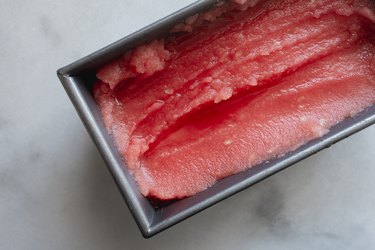
Pour the sorbet into a metal loaf tin. Cover it with a layer of aluminum foil and re-freeze until firm, about 3 hours.

Put the sorbet into a loaf tin and freeze until firm.

Step 5: Serve

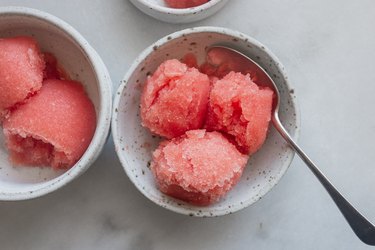
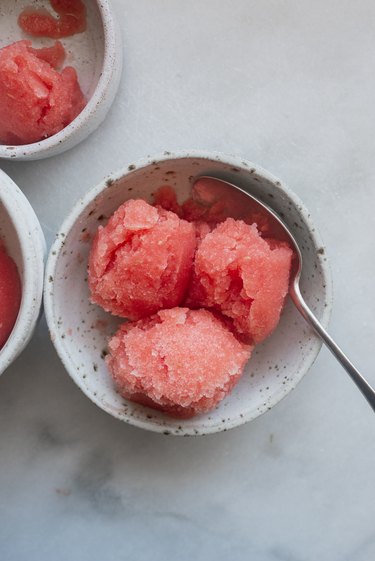
Serve and enjoy the Watermelon Sorbet! Keep it covered and stored in the freezer for up to 2 months.

Serve and enjoy your refreshing Watermelon Sorbet!

How to Make My Own Pumpkin Powder

0

Things You\’ll Need

  • Pumpkin

  • Knife

  • Steaming tray

  • Dehydrator sheet

  • Food processor

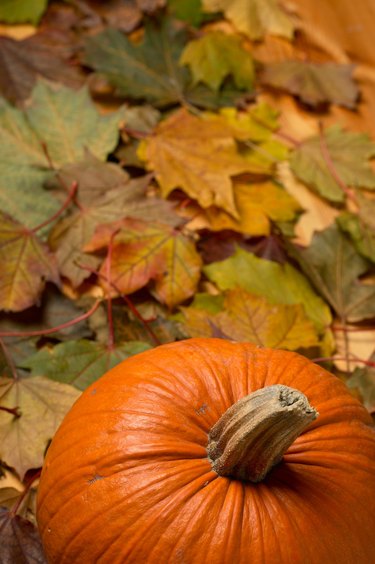
... Use fresh pumpkin for pumpkin powder.

Pumpkin powder is used to add flavor and nutrients to many dishes, such as pancakes. When mixed with water, it makes instant pumpkin puree for pies and other dishes. By making your own pumpkin powder, you can use your own fresh ingredients year round and save money while making tasty treats. Use pumpkin that is in ideal harvesting condition for flavorful powder.

Video of the Day

Step 1

Wash and dry the outside of a pumpkin. Use a large pumpkin or several smaller pumpkins if you want a larger batch of pumpkin powder.

Step 2

Cut the pumpkin in half and scoop out the seeds and set them aside.

Step 3

Cut out the stem and blossom end and cut the pumpkin into narrow pieces that are 2 inches long.

Step 4

Steam the pumpkin slices by setting them in a steaming tray over simmering water. Cook them with a lid on until they start to soften. Cool enough to handle.

Step 5

Set the slices on a dehydrator tray. Use a dehydrator appliance or a mesh screen — such as a clean window screen — or place the pumpkin on a cookie sheet the oven with the heat set at "low" or "warm." Dehydrate until the moisture has been removed. This takes several hours depending on the appliance you are using and how much pumpkin you have. Check the pumpkin periodically.

Step 6

Grind the dried pumpkin into a powder using a food processor, coffee grinder, or mortar and pestle. Store the powder in a jar or container with a tight seal and keep it in a cool dry location.

How to Freeze Fresh Peaches in Bags

0

Things You\’ll Need

  • 2 cups granulated sugar

  • 2 qt. saucepan

  • Large spoon

  • Fresh peaches (5 fresh peaches make 1 quart)

  • Colander

  • Stockpot

  • Large bowl

  • Cutting board

  • Utility knife

  • ¼ cup lemon juice

  • Zip-top freezer bags (quart size)

  • Permanent marker

...

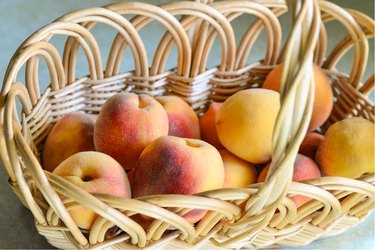
Whether you pick your fresh peaches directly from trees in your landscape or you pick them from the produce section, prepare some peaches for off-season eating by freezing them. Freeze fresh peaches in bags for a delicious treat when the weather turns cold. The process for freezing peaches is basic and you can decide whether you wish to freeze your peaches in a sugar solution or plain fruit juice.

Video of the Day

Step 1

...

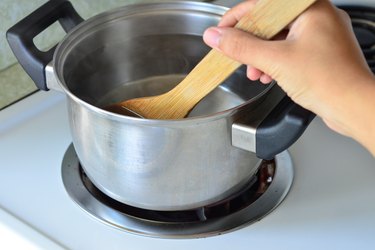
Make the sugar solution first, if you wish to preserve peaches this way. Fill the saucepan with 6 cups of cool water and place it on the stove top. Set the burner to medium high and slowly add the granulated sugar to the water as you heat the water. Stir constantly to dissolve the sugar as the sugar water heats. Remove the sugar water from the heat when it is bubbly and the sugar dissolves completely. Cool the sugar water to room temperature before adding it to the peaches. Alternatively, you can simply use plain fruit juice to pack around the fresh peaches if you do not want to use sugar.

Step 2

...

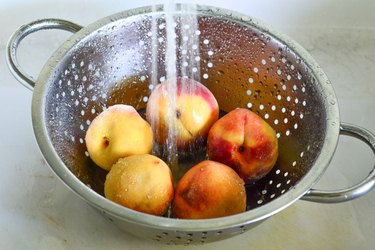
Place the fresh peaches into the colander and run cool water over them to wash them.

Step 3

...

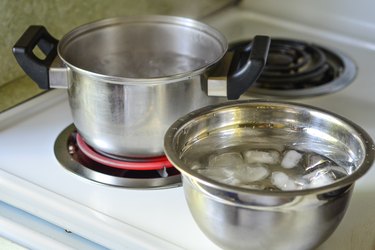
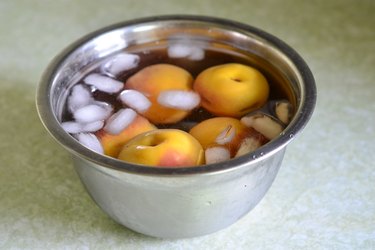
Fill the stockpot with water and bring the water to a brisk boil. Fill the large bowl with ice water and set it aside momentarily.

Step 4

...

Add five fresh peaches at once to the boiling water and leave them in the water for about 45 seconds. Remove the peaches from the water and place them into the ice water immediately. Leave the peaches in the ice water for two minutes.

Step 5

...

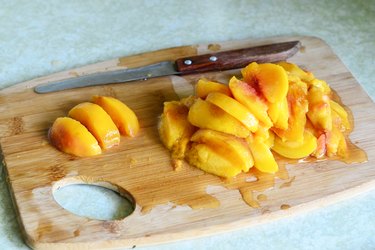
Remove the peaches from the ice water and gently slide the skins from the peaches. Discard the skins and place the peaches onto the cutting board. Slice the peaches in half, remove the pits and then slice the peaches into wedges.

Step 6

...

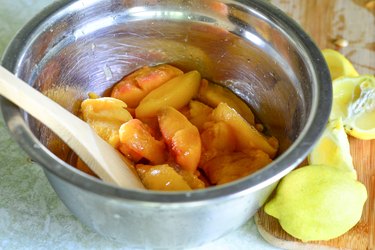
Place the sliced peaches into the large bowl. When the bowl is full, pour the lemon juice lightly over them to prevent browning. Stir the peaches and the lemon juice carefully to ensure the lemon juices coats every peach slice.

Step 7

...

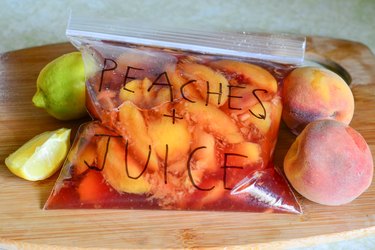
Fill one freezer bag about halfway to three-quarters full of sliced peaches. Add 1 cup of sugar solution or plain fruit juice to the bag. Seal the bag carefully to eliminate as much air as possible. Write the contents and the date on the bag and place it into the freezer.

Tip

The sugar solution recipe makes about 7 cups of solution and you need 1 cup of solution for each quart of peaches. Adjust the recipe to make more or less sugar solution, as necessary. Thaw frozen peaches by removing them from the freezer and placing them into the refrigerator for at least eight hours. Frozen peaches have a freezer life of about a year.

Healthy Quinoa Granola Bars Recipe You Need to Try

0

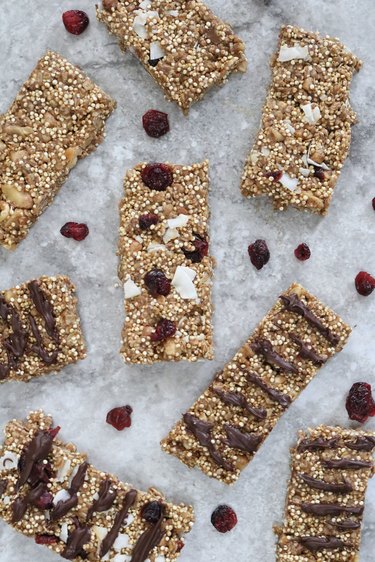
When it comes to classic grab 'n go snacks, nothing beats granola bars. They're delicious, satisfying, and the definition of travel-friendly. Unfortunately, most store-bought versions are teeming with refined sugar, making them less than ideal for healthy eating. So why not make your own? With ingredients like quinoa, oats, and nut butter, you can fuel up on protein and fiber, two nutrients that keep hunger at bay. Top it off with natural sweeteners like honey and maple syrup, and you've got yourself a nutritious (and cheap) snack.

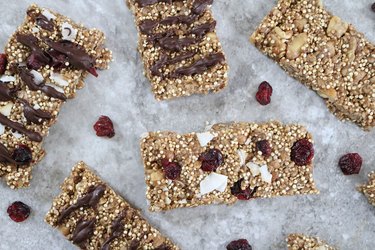
Healthy quinoa granola bars

Video of the Day

Things You\’ll Need

  • 1 cup uncooked quinoa

  • 1 cup quick-cooking oats

  • 1/2 cup chopped walnuts or almonds

  • 2/3 cup seed or nut butter

  • 1/2 cup honey or maple syrup

  • 1 teaspoon cinnamon

  • 1 teaspoon nutmeg

  • 1 teaspoon vanilla

  • Butter or coconut oil for greasing

Step 1

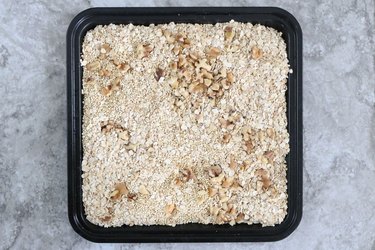
Pre-heat the oven to 375 degrees Fahrenheit. Spread the quinoa, oats, and walnuts on a baking sheet and toast for 15 minutes, mixing halfway.

Toast quinoa, oats, and walnuts

Step 2

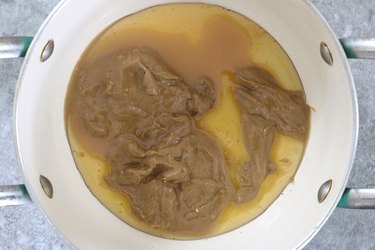
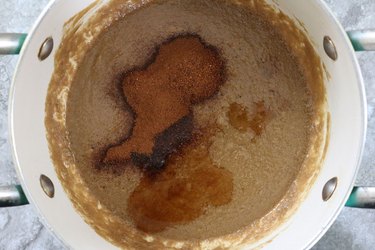
Meanwhile, over medium heat, combine the honey and nut or seed butter.

Combine honey and nut butter

Step 3

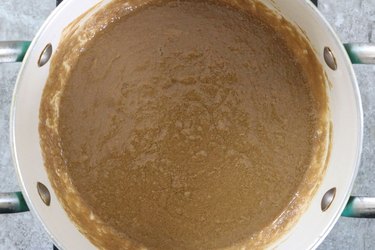
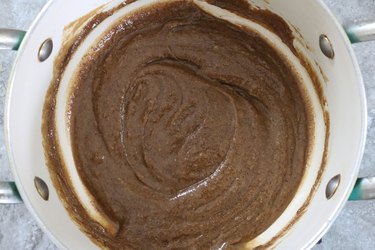
Stir well to combine, taking extra care to avoid boiling. Turn down to low heat when the edges start to bubble.

Mix honey and nut butter

Step 4

Add the cinnamon, nutmeg, and vanilla.

Add spices and vanilla

Step 5

Mix, mix, and mix some more. Keep over very low heat until the quinoa and oats are finished toasting, stirring occasionally.

Mix well

Step 6

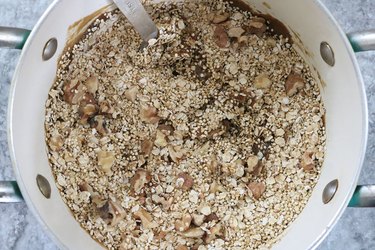
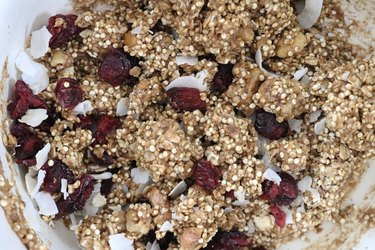
Add the granola and mix well.

Add granola

Step 7

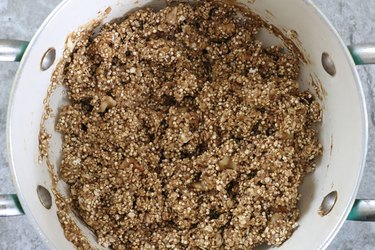
Stir until thoroughly combined, making sure that there aren't pools of liquid at the bottom.

Mix dry and wet ingredients

Step 8

If you'd like, add extra ingredients like coconut flakes, dried fruit (without added sugar), chocolate chips, or sunflower seeds. This is an awesome way to customize your granola bars.

Add extra ingredients

Tip

To make multiple types of granola bars, split the mixture into 2 or 3 bowls and add different ingredients to each one.

Step 9

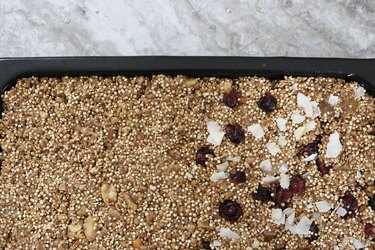
Grease a metal baking sheet with butter or coconut oil. Spread the granola bar mixture into the pan, creating a nice and even layer. Press together any gaps with clean fingers.

Cover and refrigerate for 2 to 3 hours.

Spread onto greased pan

Step 10

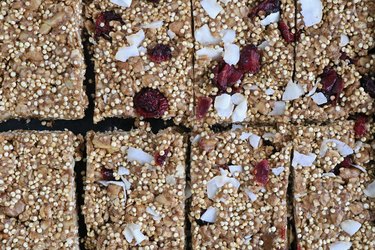
Once the mixture has hardened, slice into bars or cubes.

Slice the granola bars

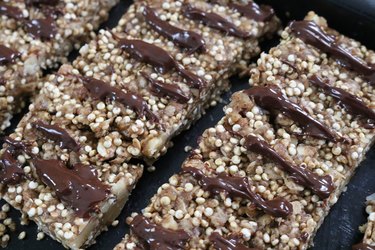
For even more flavor, drizzle melted dark chocolate onto the bars. You can also do this step before refrigerating and slicing to cover the entire batch. Another tasty idea is to add a dusting of cocoa, matcha powder, or more cinnamon.

Drizzle melted dark chocolate

Store the granola bars in an air-tight container. For healthy snacking on the go, use a re-sealable sandwich bag or beeswax wrap.

Complete quinoa granola bars

How to Make One-Pot Creamy Tomato Basil Chicken Pasta

0

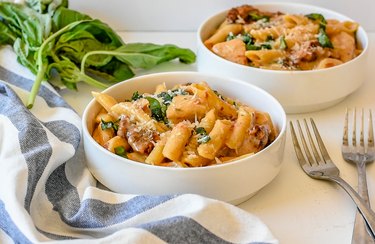
It's quarter to five in the evening. The house is a mess, the kids are getting hangry, and you still don't have dinner started. What in the world do you make? One pot creamy tomato basil chicken pasta, of course! Sounds fancy, but it is incredibly easy to make. And it's all done in one pan in under 30 minutes! That means it's also a quick and simple cleanup, and everyone's bellies will be full and happy in a flash. This recipe is guaranteed to be a staple in your house from now on.

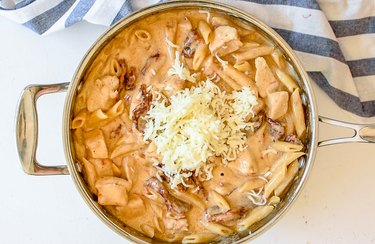
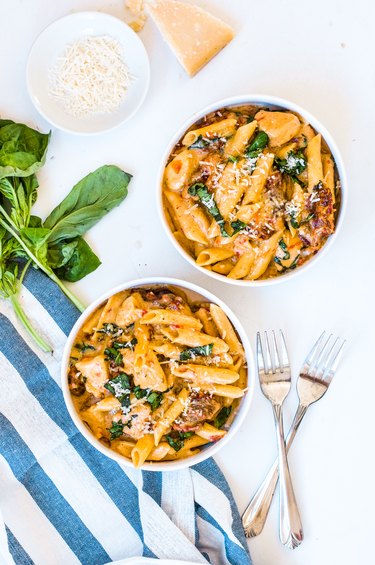
one pot creamy tomato basil pasta

Things You\’ll Need

  • 2 tablespoons butter

  • 3 garlic cloves, minced

  • 1 pound chicken, cut into square pieces

  • 1 1/2 cups chicken broth

  • 1 tablespoon chicken seasoning

  • 8 oz dry penne pasta

  • 8 oz bottle sun-dried tomatoes

  • 1/2 cup heavy cream

  • 1 cup whole milk

  • 2 1/2 cups mozzarella cheese

  • 1 cup basil, chopped

  • Parmesan cheese

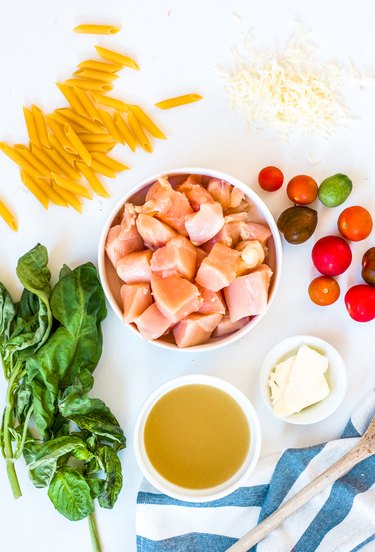
ingredients

Step 1: Cook the chicken

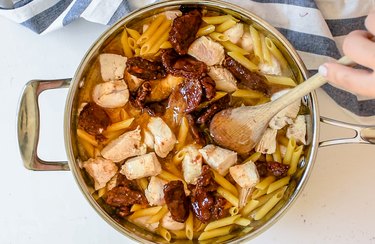
Heat butter and garlic in a large skillet over medium heat. Add the chicken and cook until just browned. Stir in broth, chicken seasoning, pasta,and sun-dried tomatoes. Increase heat to medium high and bring to a boil. Cover and reduce to medium low heat. Cook 10-15 minutes until pasta is al dente.

cook chicken

Step 2: Add dairy ingredients

Add in heavy cream, whole milk, and mozzarella cheese. Stir until the sauce is smooth and bubbly and the cheese is melted. If the pasta needs to cook longer, cover and simmer on medium heat for another five minutes.

add cheese

Step 3: Top with basil and serve

Stir in chopped basil. Dish onto plates, top with freshly grated parmesan cheese, if desired.

serve

Difference Between Percent Alcohol & Proof

... Alcohol content varies between wines, beers and distilled liquors. It can be measured as alcohol by volume or proof.

Labels on alcoholic beverages often disclose a measurement of the alcohol content of the product, but not everyone knows how to interpret that information. A bottle of wine may be labeled as 8 percent abv, while a distilled spirit may be described as 80 proof. The difference between alcohol percentage and proof is simple to calculate, and once you know how to do it, you won't be left guessing in the grocery store aisles again.

Video of the Day

Chemical Overview

In organic chemistry there are actually many different molecules that fall under the category of alcohol, characterized by the presence of one or more hydroxyl, or oxygen-hydrogen, groups. The alcohol found in beverages is ethyl alcohol, also commonly known as ethanol, drinking alcohol, pure alcohol or grain alcohol. It is a small alcohol molecule, with a molecular formula of C2H6O.

Measurements

Alcohol by volume, or abv, is a percentage that expresses how many milliliters of alcohol are present for every hundred milliliters of liquid at 20 degrees Celcius. Alcohol proof is expressed by doubling the percent alcohol of a beverage. Absolute alcohol is 100 percent alcohol by volume, or 200 proof, which is highly toxic.

Examples

Fermented beverages have lower alcohol percentages because the yeast that causes fermentation cannot survive in high alcoholic content. Beer ranges from 4 to 6 percent alcohol, typically, meaning it is 8 to 12 proof. The alcohol by volume, or abv, in wine may range between 7 and 14 percent, or 14 to 30 proof. Distilled alcohol, though, is present in much higher concentrations, ranging from 40 to 95 percent alcohol by volume, or 80 to 190 proof.

Volume Taxation

One of the reasons why it is important for distributors and retailers to specify the alcohol content of beverages is for tax purposes. Volume taxes, also called per unit taxes, are those that are imposed based on the amount of alcohol present in a product. The higher the alcohol content, the higher the volume taxes. In the U.S. laws pertaining to volume, taxes are variable from state to state.

What to Do When You Lose Your Cooler Plug?

0

Your cooler is packed with cold drinks that are buried under mounds of ice on a hot summer day. As you make your way out the door with your cooler, you discover it is leaking. Further investigation reveals that your cooler plug is missing. It is hard to believe that this tiny little rubber part has rendered the cooler useless, but it will be nothing but a water spout by the time you get to your destination. At times like these you need a temporary quick fix until you can buy a replacement plug.

Things Around The House

Grab a resealable zipper storage bag and check your kid's room for a modeling compound such as "Play-doh," or for "Silly Putty." Take a piece that is big enough to clog up the plug hole in the cooler. Wrap the plastic bag around it, push the air out and zip it up. Push the gob in the plastic bag through the hole and mold it in the hole and against the sides until it is tight. This water-tight plug will keep things dry so you can enjoy the day.

Video of the Day

Floral foam or flora putty can also be used inside a plastic bag as a plug for your cooler.

If all else fails, use a wash cloth inside the plastic bag and pack it into the cooler's plug hole tightly.

Incredible Edibles

Open up your refrigerator and use any type of dough you have for bread, rolls or pizza to put inside the plastic bag. The dough that comes in the "pop and fresh" tubes works well.

A potato cut just a little bigger than the cooler hole will also work. Put it inside a plastic bag and screw it into the hole tightly.

A carrot that is wide enough can also be used as a quick fix.

Make sure that your perishable food fixes are only used for the day. Once you get back home, they should be thrown away.

Styrofoam and Cork

Plug your cooler drain hole with a piece of Styrofoam from an odd piece of insulation. Cut a piece just a tiny bit bigger than the hole and twist it into the hole like a cork.

If you notice the plug is gone once you are on the road, go through the drive-thru at a coffee shop and get a Styrofoam coffee cup. If it is thin enough, twist it through the hole that is missing its plug. If it is thick, you may need to use just a large piece of it.

Speaking of corks, if it is a small cooler, a wine bottle cork will do the trick.

Permanent Fix

Once you have gotten home and your day was saved with a quick fix for a cooler plug, order a replacement. Parts are sold online for almost every make and model. Many hardware stores also carry a generic plug that will fit the cooler just fine. The cooler plug is an inexpensive rubber piece that will assure the usefulness of your cooler once again.

What Does Baking Soda Do for Orange Marmalade?

0

24012525 The orange peels in marmalade provide much of its pectin content. Image Credit: Jupiterimages/Photos.com/Getty Images

Jams and table spreads can be made from almost any fruit or berry, provided you find the correct balance of sugar and acidity to help the mixture gel. One of the most interesting variations on this theme is marmalade, made from the juice, fruit and most notably the peels of citrus fruits such as oranges. Many recipes for homemade marmalade include a modest quantity of baking soda in the syrup. Although you can leave it out, it has several beneficial effects.

Video of the Day

A Quick Marmalade Primer

The earliest ancestor of modern marmalade was made with quinces, a rock-hard fruit closely related to apples and pears. They're naturally high in pectin and acidity, and when simmered in honey they formed a thick, spreadable gel called melimelon, the root of our modern word marmalade. In later centuries, quinces were replaced with citrus fruits, most notably the bitter oranges of Seville, which grew more abundantly and gave the spread a bright, sunny flavor. The fruit itself contributed flavor and acidity, while the peel contained the pectin and an additional dose of concentrated orange flavor.

Getting to the Pectin

Pectin is found naturally in almost all plant foods, though in varying concentrations. It's one of several carbohydrates, called hemicelluloses, that glue plant cells together and give them strength and structure. Ordinarily, pectin and its kin form tight, strong bonds. When cooked, those bonds become loosened, which causes the fruits or vegetables to soften. Under certain conditions, the pectins can be coaxed into forming new, looser bonds that immobilize your fruit juice into a tender gel, the kind that otherwise would require meat-based gelatin. Baking soda helps create these conditions in orange marmalade.

The Texture Thing

Cooking up a batch of marmalade is a multistep process, which includes peeling and chopping the fruit, trimming the bitter, spongy white pith from the peels, and simmering the peels to tenderize them. Baking soda is usually added at that latter stage in the process, in a tiny quantity. Baking soda is mildly alkaline, and it helps to break down the chemical bonds in pectin and its related hemicelluloses. When it's added to the pot, it shortens the time needed to soften your orange peels and free the pectin from its original bonds.

A Balanced Approach

Aside from large quantities of pectin — either naturally occurring, or added separately — marmalade and other jams require lots of sugar and acidity. Typically, novices run into trouble by using too little of one or the other. Sweet fruits often require a splash of lemon juice to bring the jam's pH to the range pectin prefers, roughly 2.8 to 3.5. Most orange juice falls right into that range, but if you're using tart oranges — or Seville oranges, which are acidic and slightly bitter — your marmalade might be too acidic for the best gelling reaction. A pinch or two of soda can correct that, bringing you back into the optimum range.

Roast Chicken Recipe Like the One Meghan Markle Was Making When Prince Harry Proposed

0

Roasted Chicken Recipe 1 of 16

No one claims her roast chicken was the reason Prince Harry proposed, but Megan Markle was preparing one when he popped the question. And while we can't promise life-changing events from cooking a bird, we can promise that you will enjoy one of the most delicious meals you've ever tasted by following this foolproof one-pot meal of roasted chicken and root vegetables.

Image Credit: Maggie Jones Roasted Chicken Recipe 2 of 16
Before You Start: A Few Tips & Tricks

The writer of this recipe, Maggie Jones from Home Sweet Jones, was inspired by inspired by Thomas Keller's recipe for simple roasted chicken in his Ad Hoc at Home cookbook. The trick to this juicy bird is to thoroughly dry the chicken and add as little moisture as possible. Resist the temptation to add oil, butter or vegetables with high water content. When you place the chicken in the hot oven, you can hear the dry skin crackle and imagine it sealing in all the delicious juices. While this dish does require some time and planning, the active time is only about 15 minutes.

Image Credit: Maggie Jones Basil,sage,dill,and thyme herbs 3 of 16
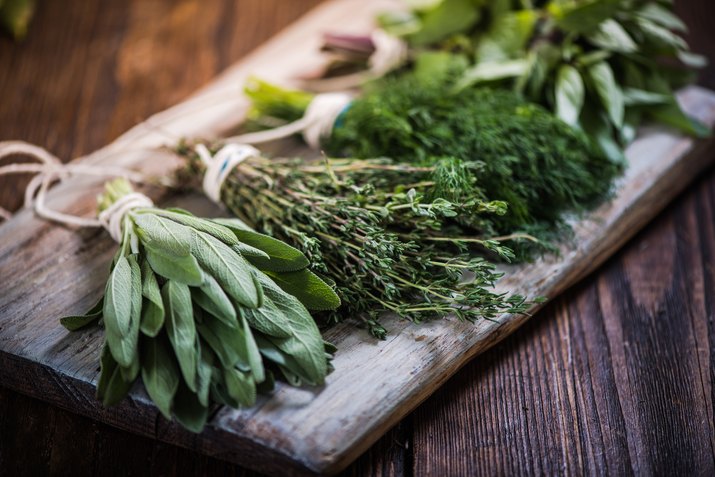
Ingredients & Materials

  • 1 whole chicken, about 4 to 4 1/2 pounds
  • Coarse kosher salt
  • Freshly ground black pepper
  • 2 to 3 pounds root vegetables (any combination of potatoes, carrots, turnips, parsnips, onions, shallots)
  • 1 head garlic
  • 1 handful fresh herbs (I like thyme, rosemary, sage and tarragon)
  • Large, oven-safe pan, such as giant skillet, a 9-by-9-inch darkbaking dish, or cast iron braiser
  • Trussing string (Tip:The markup on trussing string at grocery and specialty stores is high.Instead, buy string at a hardware store for a fraction of the cost
  • Knife and meat thermometer

Image Credit: merc67/iStock/GettyImages Raw Poultry 4 of 16
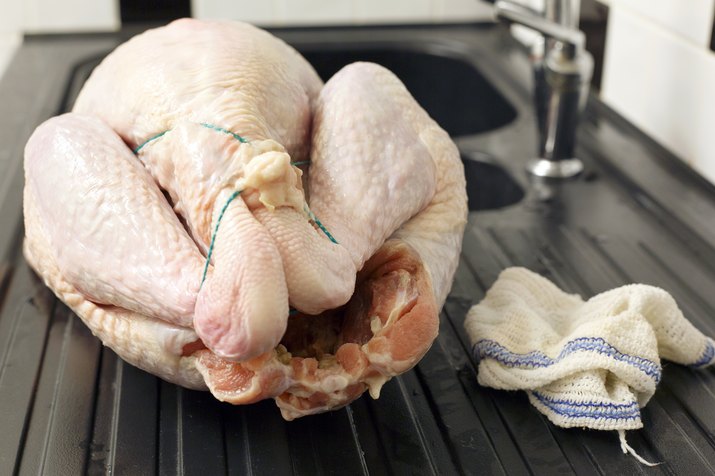
Get Started: Dry the Chicken Overnight

Do this day before if you can remember. Rinse your chicken and, using towels, dry it off as much as possible inside and out. Tip: stuff paper towels inside the cavity, wrap it in more paper towels, and let it sit in the refrigerator overnight. If you forget, simply dry it immediately before starting on the rest of these steps and it's still awesome.

Image Credit: jax10289/iStock/GettyImages Fresh chicken with spices 5 of 16
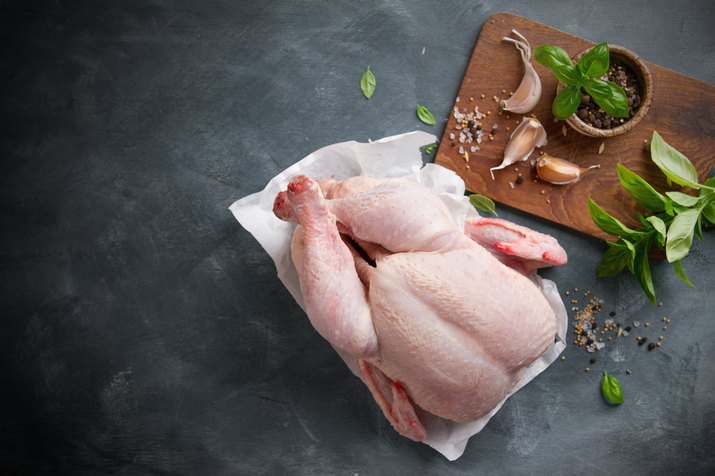
Temper the Chicken

If you have time, it's ideal to let the chicken sit at room temperature for as long as you can, up to 3 hours before you cook it. The goal is to get the chicken to room temperature before cooking so that it cooks evenly.

Image Credit: Wiktory/iStock/GettyImages Prepare the root vegetables 6 of 16
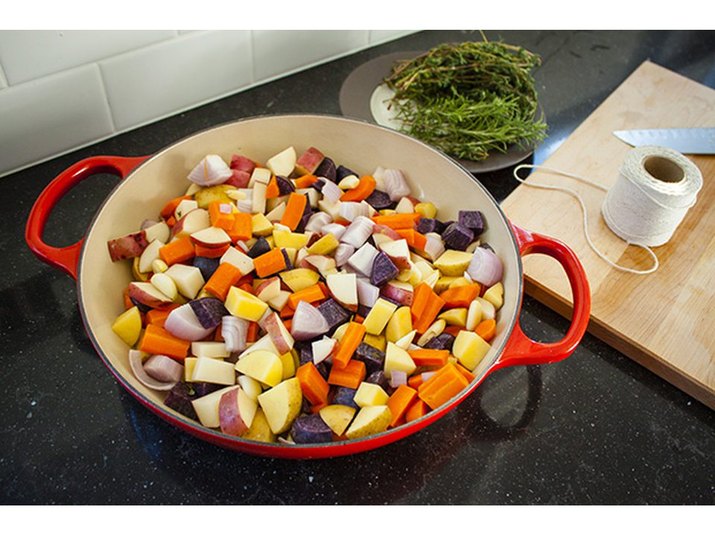
Prepare Your Vegetables

Preheat your oven to 450 degrees Fahrenheit. While your chicken is coming to room temperature, prepare your vegetables. Leave the skin on potatoes but peel any other vegetables. Cut the vegetables into 1-inch-cube dice.

Image Credit: Maggie Jones Peeling garlic cloves 7 of 16
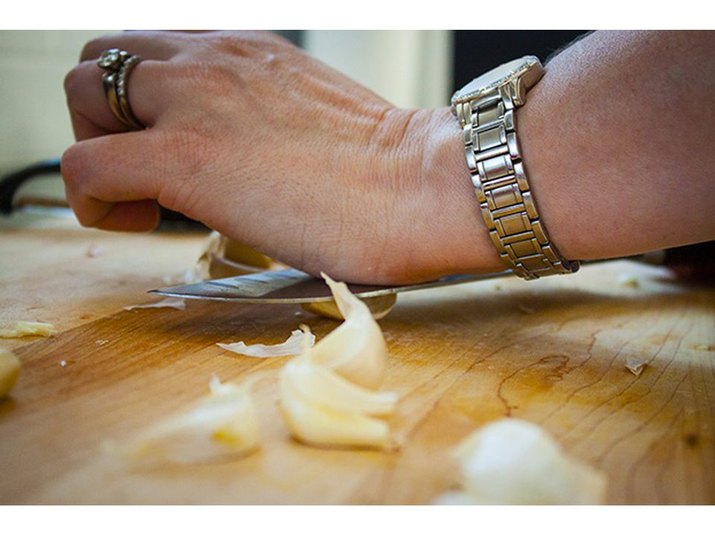
Peel the Garlic

Mix whole, peeled cloves of garlic in with the vegetables. After roasting with the chicken, the cloves lose their pungency and become creamy and sweet. A quick way to remove garlic skins is to cut the root off the head and then gently crack each clove with the flat of a chef's knife (make sure you don't catch yourself on the blade). The skin will fall away so you can easily pluck out the clove and discard the papery skin. It may take some practice to master the exact amount of force but there's no harm in a few crushed cloves.

Image Credit: Maggie Jones Chop the herbs 8 of 16
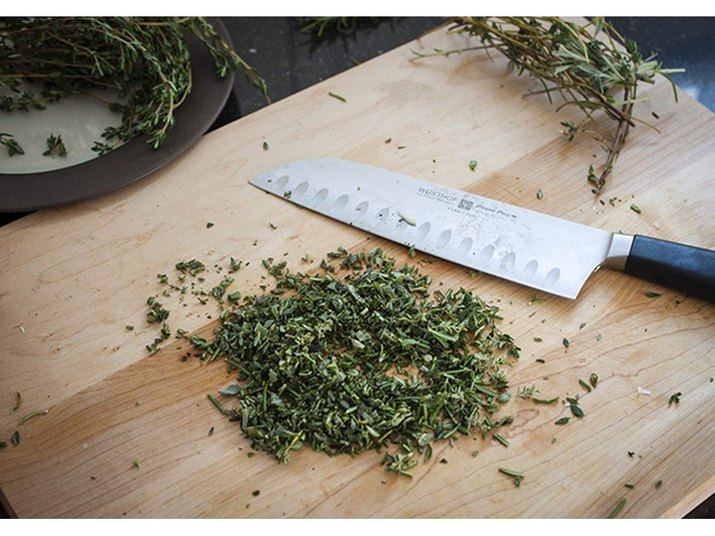
Chop the Herbs

Chop the herbs finely and mix about half of them in with the vegetables. Reserve the stems to stuff in the chicken cavity for zero waste and extra flavor.

Image Credit: Maggie Jones Truss the chicken 9 of 16
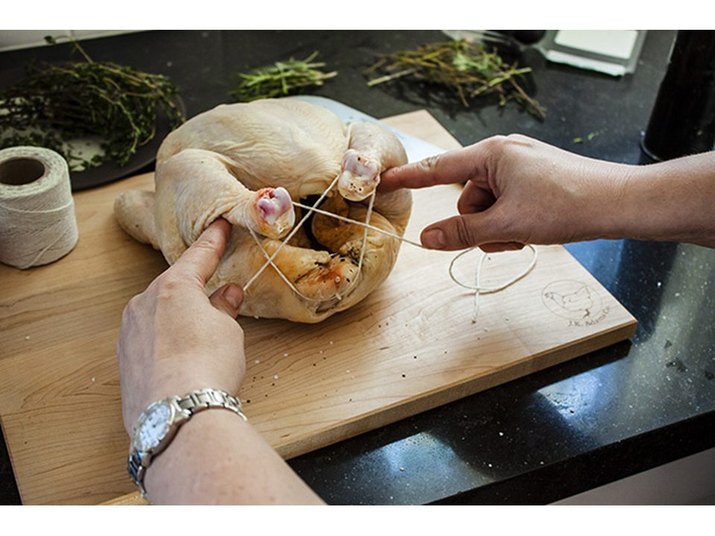
Season & Truss the Chicken

This step is optional but it makes for more a more delicious bird. Rub the inside of the cavity with about a teaspoon each of salt and freshly ground pepper – an amount about the size of a quarter. Stuff any leftover herb stems into the cavity and prepare to truss. Trussing is much easier than it sounds. It's just a matter of tying the chicken into a tight little package so that its parts don't flop around and dry out in the oven. Cut about an arm's length of string and place the center under the chicken butt. Wrap the string around the drumsticks. Tighten the loop and wrap the remaining string around the chicken in such a way that the wings are held tightly against the body. Tie a knot and cut off the excess string. All done!

Image Credit: Maggie Jones Salt chicken before roasting 10 of 16
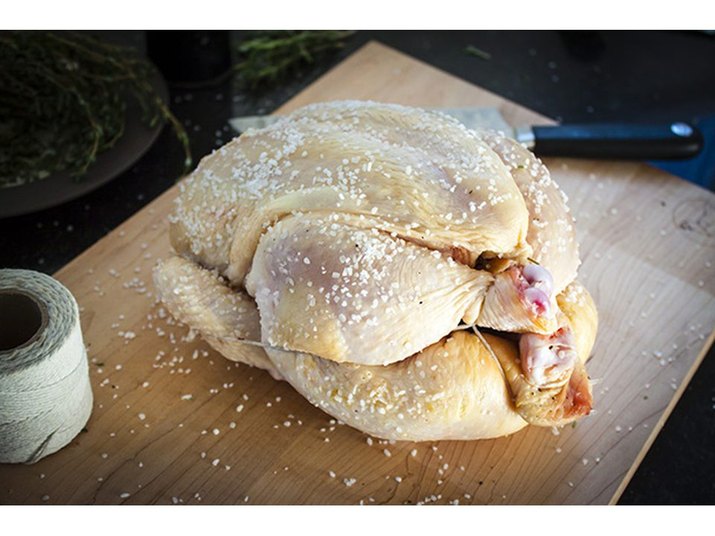
Salt the Chicken

Rain about a tablespoonful of coarse salt over the bird. I'll even press some into the sides so that it's completely coated with a speckling of salt. The salty crust helps crisp the skin and hold in the juices that make the chicken tender.

Image Credit: Maggie Jones Ad chicken to pan 11 of 16
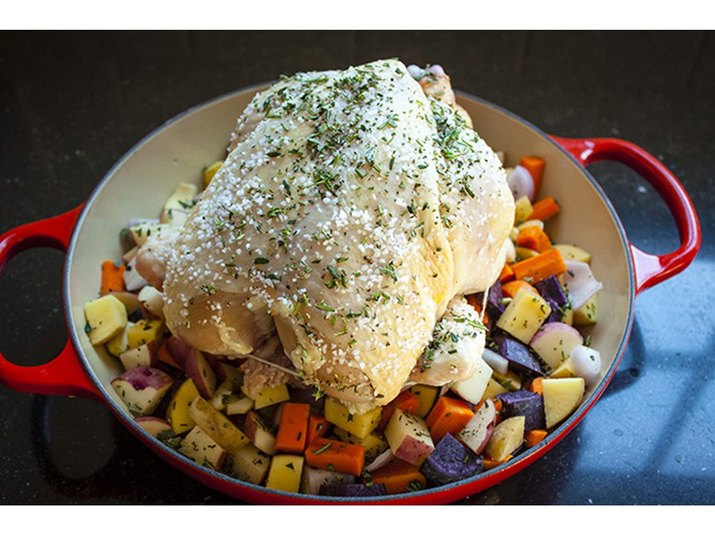
Add to Pan with Vegetables

Finally, set the chicken on top of the vegetables and sprinkle the bird with the remaining fresh herbs.

Image Credit: Maggie Jones Chicken in Oven 12 of 16
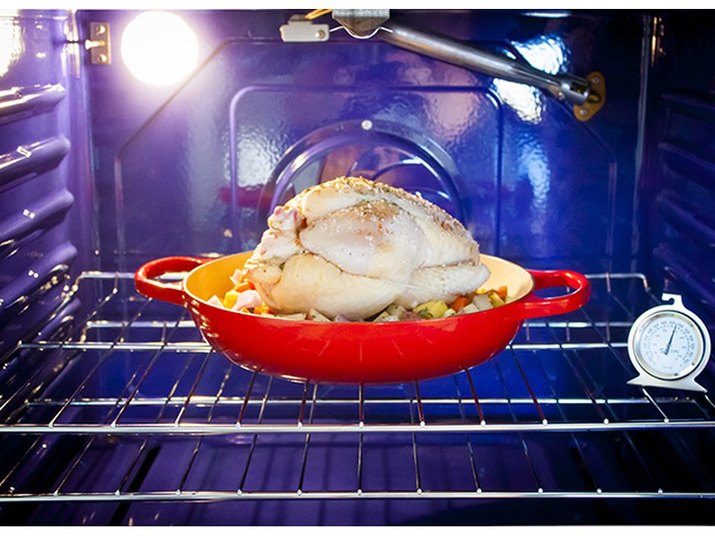
Place in Oven

Place the pan in the oven centered on the top rack. Set a timer for 1 hour.

Image Credit: Maggie Jones Check temperature on chicken 13 of 16
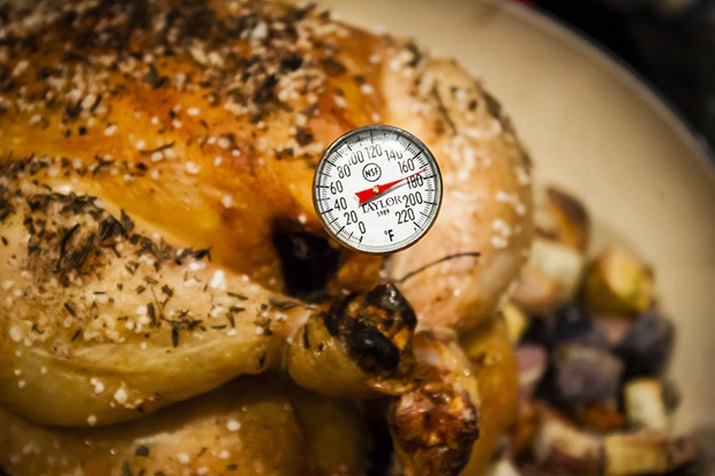
Check the Temperature

After the timer goes off, remove the chicken and insert a meat thermometer into a fleshy part, avoiding the bone, which can throw off the reading. The chicken should be at least 165 degrees F. It's best to take measurements from two parts. If the chicken isn't yet fully cooked, put it back in the oven for another 10 minutes and repeat.

Image Credit: Maggie Jones Tent chicken with foil 14 of 16
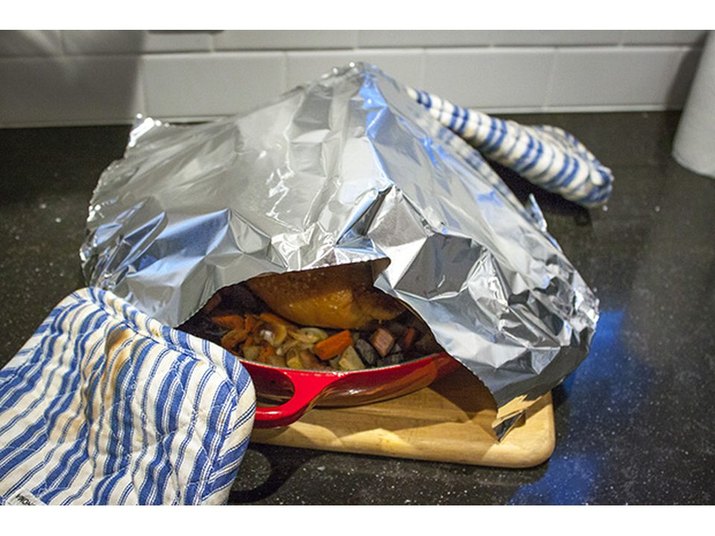
Rest the Chicken

Once your chicken is cooked through, it's important to let it rest at least 10 to 15 minutes so that the juices distribute throughout the meat and don't run out as soon as you start carving. Tent it with a sheet of aluminum foil while resting.

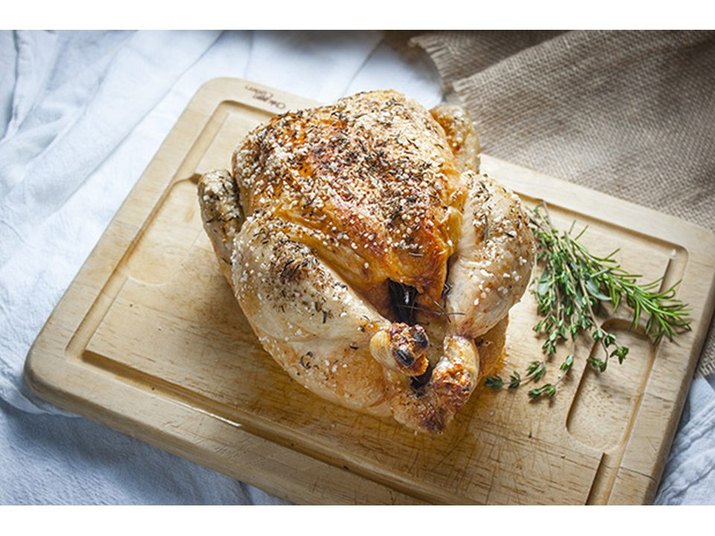
Image Credit: Maggie Jones Roasted Chicekn 15 of 16
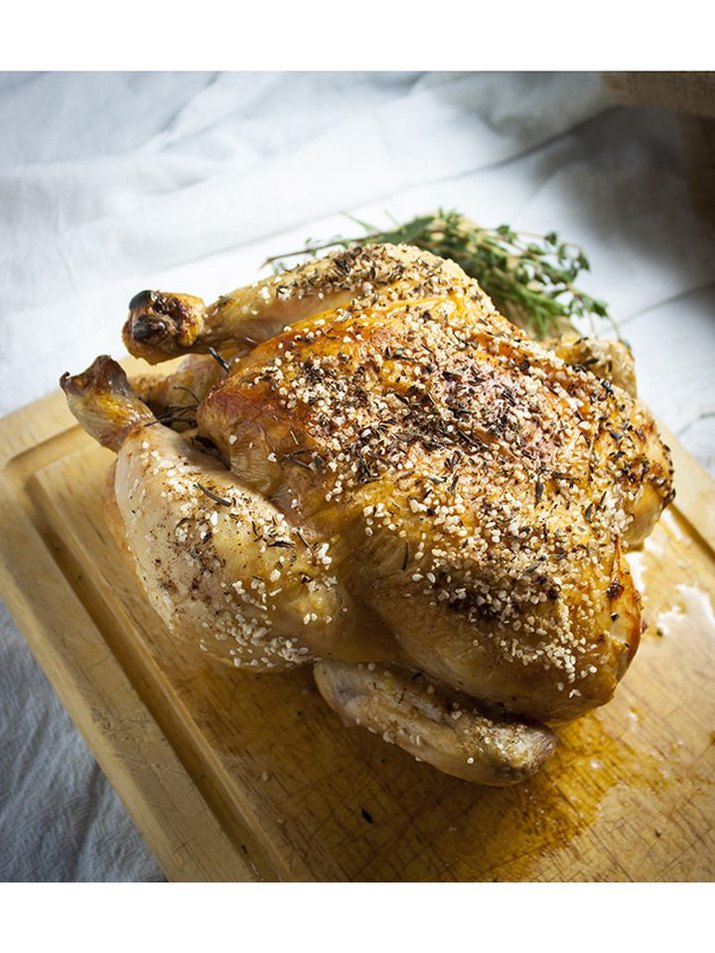
Enjoy!

Finally time to eat. Transfer the chicken to a carving board, remove the trussing string, and give the vegetables a stir to mix the drippings evenly.

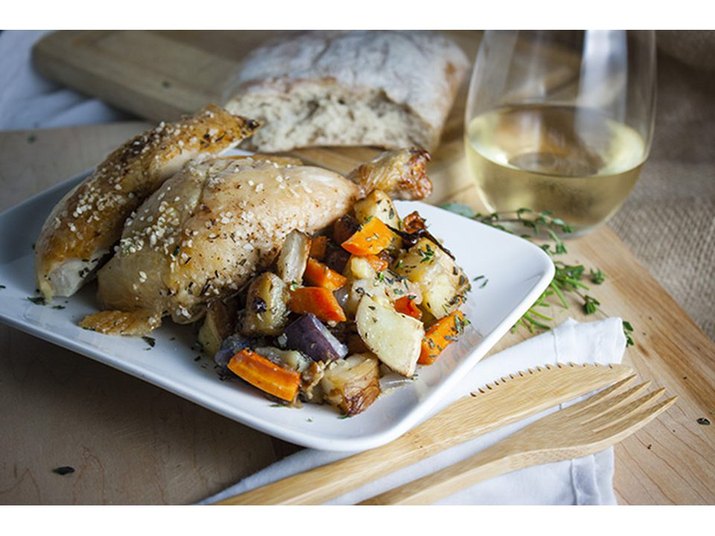
Image Credit: Maggie Jones Roasted chicken and veggies 16 of 16
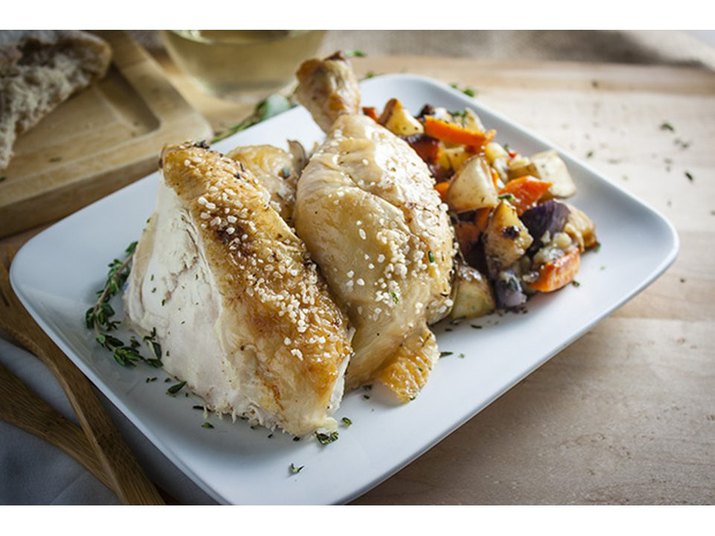
Delicious!

Image Credit: Maggie Jones

Instant Pot Recipe: Chili Mac and Cheese

0

eHow may earn compensation through affiliate links in this article.

Enjoy two comfort foods in one with this chili mac and cheese recipe. Just add the ingredients to your Instant Pot, press a button and dig in​.​ All it takes is 30 minutes of your time. Make it as spicy, cheesy or meaty as you want! Top it off with sour cream and fresh herbs for a wonderfully hearty dish.

Video of the Day

Instant Pot chili mac and cheese

Things You\’ll Need

  • Instant Pot

  • 1 pound lean ground beef, turkey or chicken

  • 2 tablespoons olive oil

  • 1 medium onion, diced

  • 1 green bell pepper, deseeded and diced

  • 3 teaspoons minced garlic

  • 1/2 teaspoon salt

  • 1/2 teaspoon black pepper

  • 1 to 2 tablespoons chili powder

  • 2 teaspoons cumin

  • 3 cups broth or water

  • 28 ounces canned crushed or diced tomatoes (or a mix of both)

  • 14 ounces canned red or black kidney beans

  • 12 ounces elbow macaroni, uncooked

  • 2 1/2 cups shredded cheddar cheese

  • Cilantro, parsley and sour cream for topping

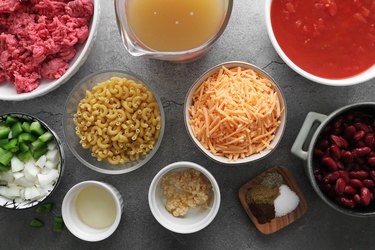
Ingredients for Instant Pot chili mac and cheese

Tip

To make this recipe vegetarian, skip the meat and add another can of beans. Use water or vegetable broth.

Step 1

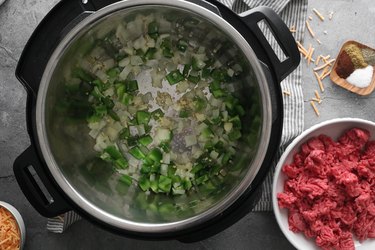
Set the Instant Pot to sauté. Add the olive oil, onion and green bell pepper. Mix gently with a spatula to coat the vegetables in oil. Cook for 3 to 5 minutes, or until the onion is translucent and tender. Add the garlic and cook for 30 seconds.

Cook onion and bell pepper

Step 2

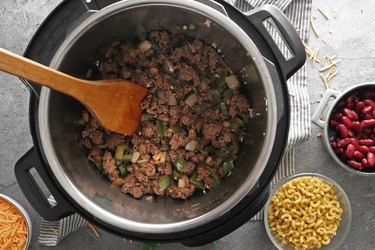
Add the ground meat and spices. Cook for 5 to 7 minutes, or until brown and no longer pink. Use a wooden spatula to break up the meat. Once cooked, turn off the Instant Pot.

Cook ground meat

Step 3

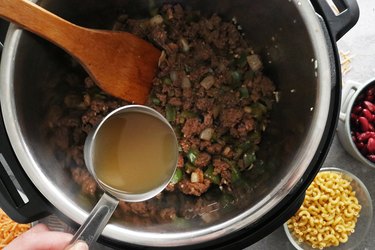
Add 1/2 cup of broth or water. Scrape the bottom of the Instant Pot; this will prevent the meat from burning and sticking to the pot.

Add broth and scrape the pot

Step 4

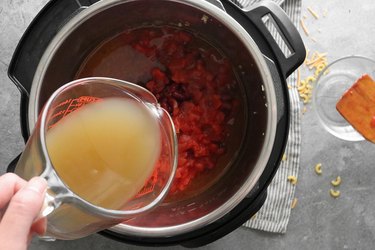
Add the macaroni to the center of the pot. On top of the macaroni, add the kidney beans and canned tomatoes. Try to place these ingredients in the center of the pot, which will also help prevent sticking and burning.

Finally, pour the remaining broth or water. Make sure the macaroni is completely covered with liquid.

Pour the broth

Step 5

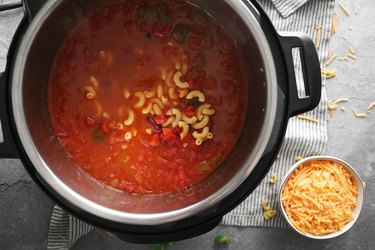
Cover the Instant Pot and seal the valve. Set to "Pressure Cook" on HIGH for 4 minutes. The Instant Pot will take about 10 minutes to reach the correct pressure, then it will start the 4-minute countdown.

After 4 minutes, the Instant Pot will beep. Release the pressure using quick release. Keep your hands and face away from the valve as the Instant Pot releases a stream of pressure. Turn off the Instant Pot and open. The chili will look liquid-like; this is normal.

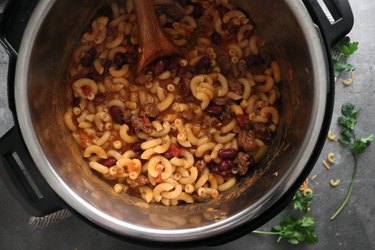
Cook on high pressure

Step 6

Stir the chili. It will thicken as you mix.

Stir the macaroni

Step 7

While the mixture is still hot, add 1 1/2 cups of cheddar cheese. Stir until the cheese is completely melted. For an extra cheesy dinner, add even more shredded cheese.

Add shredded cheese

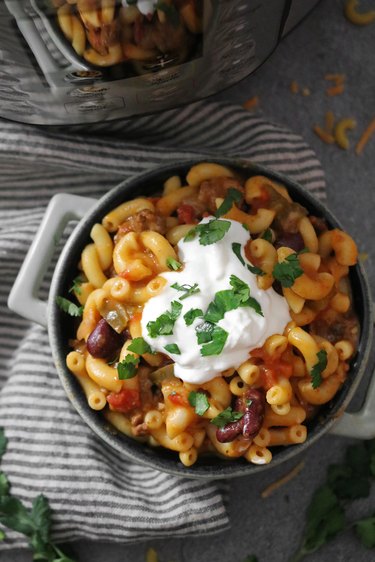
Serve warm. Top with the remaining cheese, sour cream and fresh cilantro or parsley. Enjoy!

Instant Pot chili mac and cheese