
Home Blog Page 58

Marshmallow Fudge Will Be the Holiday Gift That Keeps on Giving

0

It's a family tradition in our home to make marshmallow fudge every holiday season. Why? As we listen and sing along to our favorite Christmas melodies, the house fills with a buttery, chocolate aroma. Then, ribbons of smooth, velvety chocolate combine in a bowl to create a decadent treat that we can enjoy together. It's a festive and heartwarming indulgence that takes just 20 minutes to create — and that's enough time to get everyone in the family to gather 'round! Make some for your own family this season, or trim these sweets in holiday wrapping for loved ones to enjoy elsewhere.

marshmallow fudge

Video of the Day

Things You\’ll Need

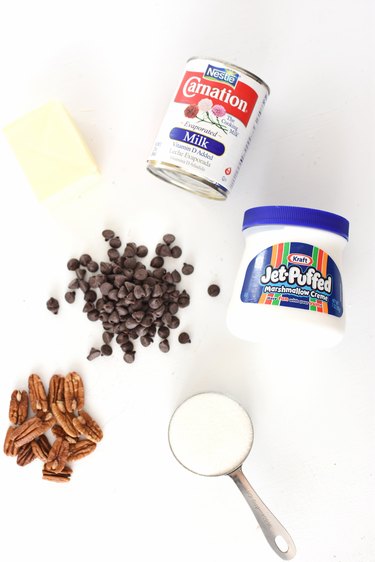
  • 1 cup butter

  • 3 cups granulated sugar

  • 2/3 cup evaporated milk

  • 2 cups semi-sweet chocolate chips

  • 1 jar Kraft marshmallow creme

  • 1 teaspoon vanilla extract

  • 2 cup chopped pecans

ingredients

Step 1: Microwave the Ingredients Together

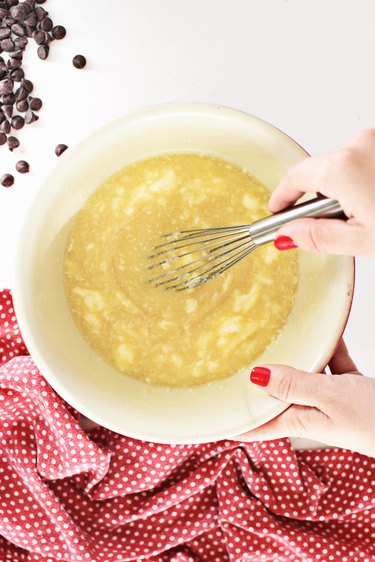
Microwave the butter in a large, heat-proof bowl on high for 1 minute until it's melted. Then, add in sugar and evaporated milk and mix well. Microwave on high for another 3 minutes. Remove and stir, scraping down the sides of the bowl. Place the bowl back in the microwave and heat it on high for another 5 minutes, or until the mixture comes to a boil. Remove and stir, then microwave the mixture again for 2 more minutes. Carefully remove the hot bowl. Mix in chocolate chips until they're melted. Stir in marshmallow creme, vanilla extract and 1 cup of chopped pecans.
mix ingredients

Step 2: Allow the Fudge to Set

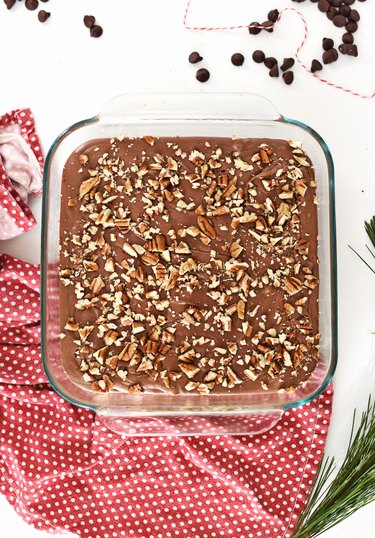
Pour the marshmallow fudge mixture into a lightly greased 9 inch x 9 inch glass dish. Top with the remaining 1 cup of chopped pecans. Allow it to set at room temperature for at least 2 hours.

Tip

Feel free to mix in chopped peppermint candies, marshmallows or other complementary toppings.
set fudge

Step 3: Cut Fudge and Enjoy!

Cut the marshmallow fudge into squares — this recipe makes 16 large squares. Enjoy a square or two for yourself with family. If you're making this recipe as a present, then place the fudge in small baking gift boxes, or wrap them in cellophane. You can cover and chill any leftovers for up to 1 week.
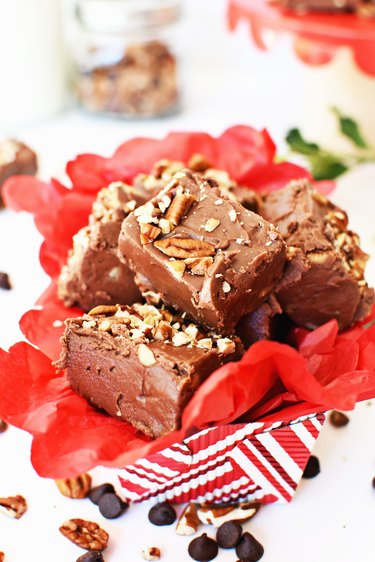
wrap fudge

Why Does Milk Curdle When Baking a Macaroni Dish?

0

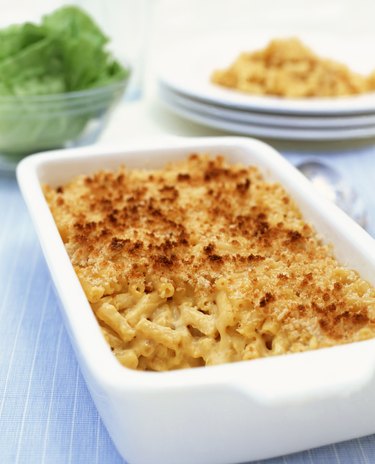
Macaroni and cheese Take steps throughout preparation to keep macaroni and cheese creamy. Image Credit: ITStock Free/Polka Dot/Getty Images

Homemade macaroni and cheese is comforting and delicious, but intensely unattractive when the sauce curdles. The reaction of milk products to heat produces a sauce that is both gloppy and stringy at the same time. Taste may not be affected in the slightest, but curdled milk turns macaroni and cheese into a visual and textural disaster. You can prevent curdling at several stages during cooking, keeping your macaroni and cheese creamy.

Video of the Day

Milk and Heat

Just like people in the sun, milk proteins can respond to warmth by relaxing. Tightly snarled protein fibers stretch and loosen their hold on each other. At the same time, fats in the milk soften and melt. Warmed over low or medium heat, milk heats smoothly and may seem even more creamy in texture than when cold. When heated too fast, milk separates or "breaks." Protein fibers form tight clusters, or curds, fats separate, and the remaining liquid becomes watery. The result is called curdling. Especially if you are combining milk with other ingredients, as in a cheese sauce, prevent curdling by keeping heat low enough that the sauce does not come to a boil.

Fat and Curdling

The fat content in milk appears directly related to the tendency to curdle. A higher proportion of fat makes it harder for proteins to cluster. Making macaroni and cheese with whole or full-fat milk, half-and-half, evaporated milk or cream may produce better results than using low-fat milk products.

Cheese and Curdling

You may find the sauce for your macaroni and cheese is stable until you add the cheese. Curdling is, after all, part of the cheese-making process. Even when the process is complete, re-exposing cheese to high heat can trigger curdling rather than melting. The prolonged heat needed to melt and incorporate large pieces of cheese can also cause separation of both cheese and milk. Finely grating cheese and thoroughly mixing it with other ingredients can help deter curdling.

Stabilizing Strategies

One of the appeals of macaroni and cheese is its quick assembly. Traditional recipes may specify simply tossing cold milk, a pat of butter and a handful of grated cheese with hot drained macaroni noodles over a warm stove burner before serving. Making a sauce to distribute cheese throughout the dish slows this rapid assembly but is also the best assurance against a curdled dish. Thicken milk as it warms with a small quantity of roux — butter and flour cooked briefly together — then add cheese and cook over low heat until the cheese melts. The few minutes needed to create a stabilized cheese sauce to stir into the macaroni can ensure your completed dish will keep its creamy appeal.

Kinds of Vegetables for Fondue

0

Fondue Fork with Meat and Cheese Bowl of cheese fondue. Image Credit: silkenphotography/iStock/Getty Images

Don't think of a vegetable as merely a delivery system for gooey cheese fondue. When the right veggies are paired with the right fondue, the result is layered and delicious flavor with each bite. Certain vegetables have no place near the fondue pot – here's looking at you, lettuce – but most of the offerings at your favorite farmer's market are fit to be dipped.

Video of the Day

Spring Vegetables

Asparagus on rustic wooden background Bunch of asparagus. Image Credit: ehaurylik/iStock/Getty Images

Asparagus that's been slightly cooked still retains a crunch and brightness that pairs well with any type of cheese fondue – and as a bonus, using a long spear of asparagus negates the need for fondue skewers. Just as you combine artichokes and cheese in your favorite dip, so too can you combine them for fondue. Use your fingers to dip the cooked leaves in either a broth or cheese fondue, and use a fondue fork to dip artichoke hearts. Sugar snap peas or cubed carrots that have been lightly blanched also work with either type of fondue.

Summer Vegetables

Red, yellow and green peppers Red, yellow and green peppers. Image Credit: Design Pics/Design Pics/Getty Images

In the height of summer, dipping fresh vegetables into a light broth fondue seasoned with herbs may be preferable to eating a heavy cheese dip. Any summer vegetable can be lightly grilled before going into your fondue pot to add a layer of smoky flavor. Use strips of bell pepper, spears of zucchini, whole cherry tomatoes, broccoli florets and chunks of radishes. Sprinkle freshly dipped summer vegetables with chopped basil for an extra bite of fresh, bright flavor.

Fall Vegetables

Yams Sweet potatoes. Image Credit: BSPollard/iStock/Getty Images

In fall, look to creamy members of the squash family. Handled carefully, they're hearty enough to stand up to being dipped in fondue. Season a broth fondue with pumpkin-flavored ale, or sprinkle nutmeg into a cheese fondue to get the most of fall flavors. Peel, cube and roast butternut squash, acorn squash, sweet potatoes and pumpkin. Let these cubes cool slightly to firm up before eating. Florets of steamed cauliflower and Brussels sprouts also pair well with cheese fondue.

Winter Vegetables

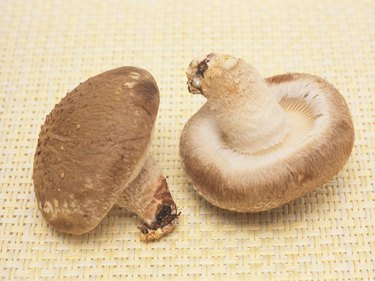
Shiitake mushrooms White mushrooms. Image Credit: GYRO PHOTOGRAPHY/amanaimagesRF/amana images/Getty Images
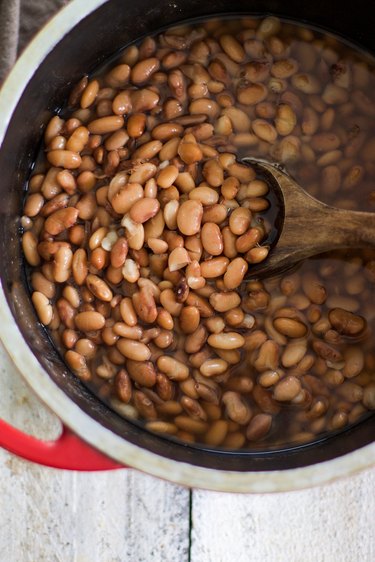
Winter calls for comfort food. Boil or roast root vegetables, like small potatoes and turnips, to dip in cheese fondue. Different varietals of mushrooms have different growing seasons, so while mushrooms aren't technically a winter vegetable – and as fungi, they're not technically vegetables at all – they have a meaty, filling quality that works well for warming up on a cold day. Add red wine such as pinot noir to a recipe that uses a hearty beef broth.

Stuffed Spaghetti Squash Recipe

0

This stuffed spaghetti squash recipe is equal parts delicious and easy. It features a creamy spinach filling that tastes amazing on its own or with crusty bread. The best part? You can easily make it vegan by using dairy-free ingredients. Read on for the full recipe.

Stuffed spaghetti squash

Video of the Day

Things You\’ll Need

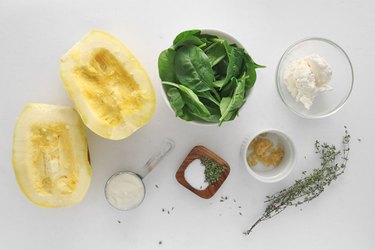
  • 1 medium spaghetti squash, about 2 1/2 pounds, halved and deseeded

  • 4 cups baby spinach

  • 1/2 cup cream cheese (dairy or plant-based)

  • 1/2 cup plain yogurt (dairy or plant-based)

  • 1 teaspoon salt

  • 1/2 teaspoon ground black pepper

  • 1 teaspoon dried thyme

  • 2 teaspoons minced garlic

  • Salt and pepper (for roasting squash)

  • Olive oil

Ingredients for stuffed spaghetti squash

Tip

To make the squash easier to cut, poke the squash with a fork several times. Next, using a knife, make a slit along where you will eventually cut it. Microwave on high for three to four minutes. Let it cool slightly and then cut off the stem and cut the squash in half lengthwise.

Step 1

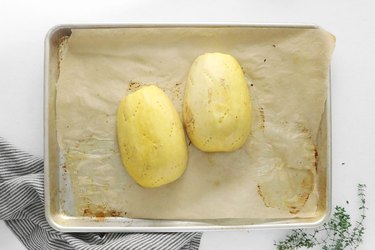
Preheat the oven to 400°F. Line a large baking sheet with parchment paper. Drizzle oil onto the cut side of the spaghetti squash and then sprinkle with salt and pepper.

Place the squash on the baking sheet cut side down. Bake for 40 to 45 minutes or until the cut edges are slightly brown. Remove the squash from the oven and reduce the temperature to 350°F.

Roast the spaghetti squash

Step 2

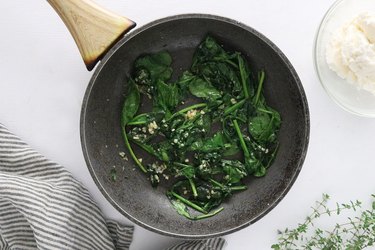
In a small skillet over medium heat, warm 1 tablespoon oil. Cook the spinach until wilted, about three to five minutes. Add the garlic, salt, black pepper and thyme. Cook for another 30 seconds.

Cook spinach and garlic

Step 3

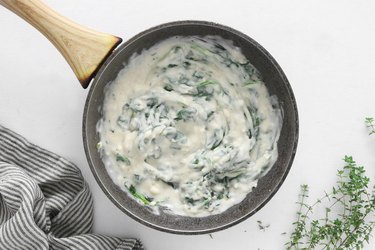
Add the cream cheese and yogurt. If needed, break apart the cream cheese with a spatula. You can leave some chunks if you'd like. Heat until combined, about three minutes.

Add cream cheese and yogurt to the skillet

Step 4

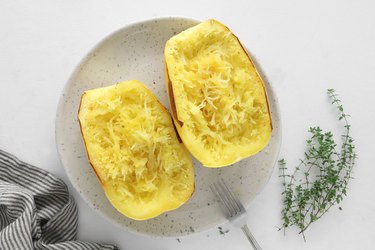
When the spaghetti squash is done roasting, remove it from the oven and let it cool slightly. Carefully turn over the squash and shred the flesh using a fork.

Shred spaghetti squash

Step 5

Add the spinach filling to the squash, mixing it with the stringy flesh. Another option is to scoop out all of the flesh, mix it with spinach filling in a separate bowl and then return it to the squash.

Add spinach filling to the squash

Step 6

Return the spaghetti squash to the baking sheet and roast for another 15 to 20 minutes or until the filling is bubbly.

Finished stuffed spaghetti squash

Serve the stuffed spaghetti squash on its own, with crusty bread or as a side dish.

Plated stuffed spaghetti squash

How to Make Chocolate Candy Cane Shot Glasses

0

A holiday party isn't complete without festive shots. And while you can always pour shots in glasses and call it a night, why not take things up a notch? With ingredients like melted chocolate and crushed candy canes, you can easily make a batch of festive (and edible!) shot glasses. The key is to use a shot glass mold from the candy section of your local craft store. When paired with your favorite holiday shot recipe, these chocolate candy cane glasses are a 2-in-1 treat.

Chocolate candy cane shot glasses

Video of the Day

Things You\’ll Need

  • 4 1/2 cups chocolate chips

  • 3/4 cup white chocolate chips

  • 3 tablespoons + 1 teaspoon light tasting olive oil

  • 6 to 10 drops peppermint extract

  • 4 candy canes

  • Extra candy canes for garnish

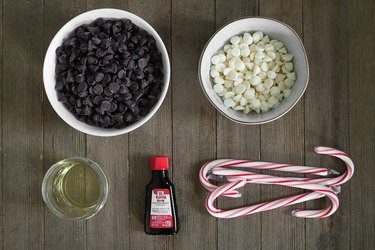
Ingredients for chocolate candy cane shot glasses

Tip

Depending on the thickness of your shot glass mold, you might need slightly more or less chocolate chips.

Step 1

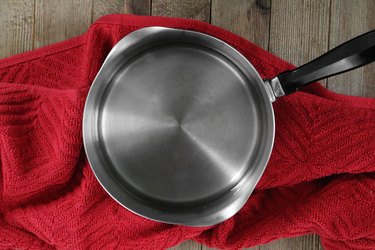
Fill 1/3 of a small pot with water. Bring to a boil, and then reduce to a simmer.

Heat water in pot

Step 2

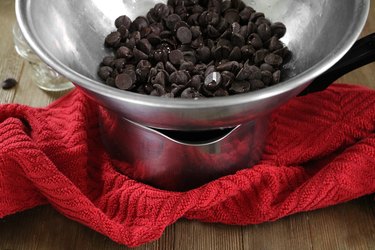
Place a stainless steel bowl on top of the pot. Make sure the bottom of the bowl does not touch the water.

In the bowl, combine the chocolate chips and 3 tablespoons of oil. Depending on the size of your bowl, you can also melt the chocolate in multiple smaller batches.

Combine chocolate chips and oil

Step 3

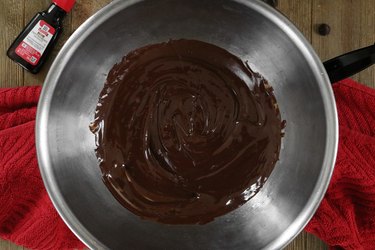
Heat the chocolate chips until melted and smooth, stirring occasionally.

Add the peppermint extract and mix well. For a stronger peppermint flavor, add more extract.

Melt chocolate chips

Tip

Make sure the chocolate does not overheat or bubble. Otherwise, it will clump up and burn.

Step 4

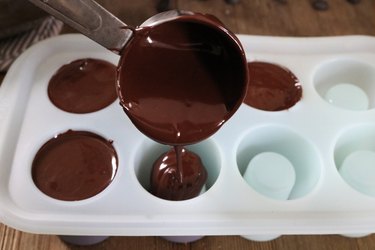
Transfer the melted chocolate to the shot glass mold.

If the melted chocolate begins to harden, re-heat it over simmering water.

Pour melted chocolate

Step 5

Let the chocolate completely set. To speed up the process, place the mold in the refrigerator.

Let chocolate set

Step 6

Remove the chocolate shot glasses. To do so, push the chocolate out of the mold.

Remove chocolate from mold

Step 7

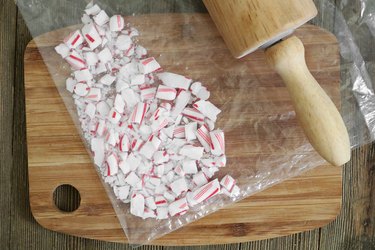
Break up the candy canes and transfer them to a plastic sandwich bag. Place the bag on a cutting board. With a rolling pin, smash the candy canes into small pieces.

Crush candy canes

Step 8

Melt the white chocolate chips and 1 teaspoon of oil. Mix until smooth.

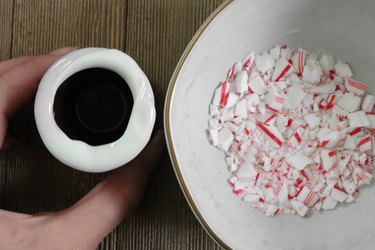
Wait until the melted white chocolate is barely warm yet pourable. Dip the rim of the each shot glass into the white chocolate, then into the crushed candy canes.

Melt white chocolate

Tip

If you don't like white chocolate or don't have it on hand, you can use more chocolate chips for this step.

Step 9

Let the white chocolate set.

Your chocolate shot glasses are ready to use!

Chocolate candy cane shot glasses

The best part is filling up the shot glasses and serving them to your guests. You can fill them with liquor or your favorite festive shot. During the holidays, you can't go wrong with ingredients like peppermint schnapps, Irish cream, or vanilla vodka. Don't be afraid to get creative!

For non-alcoholic shots, fill up the glasses with hot chocolate, eggnog, or coffee.

How to Cook Pinto Beans (Plus Ideas for Toppings)

0

I grew up in the South where pinto beans and cornbread was a dinner staple. The beans were cooked long and slow with ham or bacon for added flavor and then when the beans were creamy and tender, they were served over buttery cornbread. It is still one of my favorite easy meals and brings back so many memories! Whether or not you choose to make your beans vegetarian, or you are like my mom and insist on adding some part of the pig, pinto beans are so easy to cook! They are great served as the main dish, but also make a great addition to any meal. The ongoing debate of "to soak" or "not to soak" will never be settled, but I have found that both methods work beautifully, and it all depends on the time you have to cook your beans. What I love is that with a few spices, pinto beans can be turned into Mexican charro beans, barbecue baked beans, or can be left simple and topped with a little hot sauce and raw onion. The possibilities are endless!

How to Cook Pinto Beans

Video of the Day

Things You\’ll Need

  • 1 pound dried pinto beans

  • 4 to 6 cups of water or stock

  • 2 tablespoon kosher salt

  • 1 teaspoon black pepper

  • Ham hock or 6 slices of bacon (Optional)

Tip

Additional ingredients for toppings can include, but are not limited to: cilantro, avocado, green onion, raw onion, hot sauce, BBQ sauce, and cheese.

Step 1: Cover Beans with Liquid

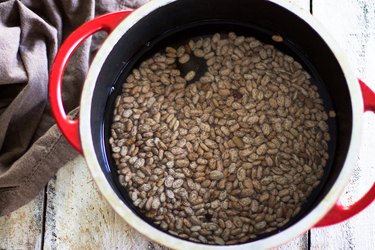
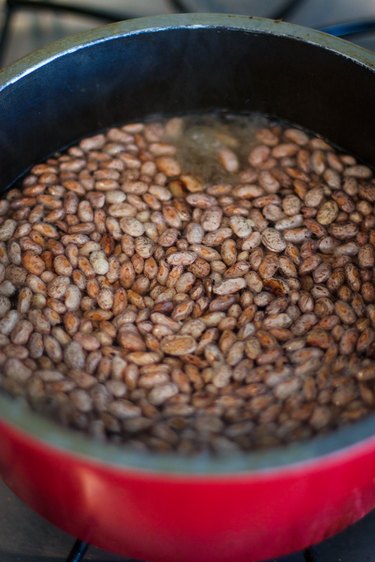
Rinse the dried beans in a strainer. Add the beans to a large pot and add enough water or stock until they are covered by about 2 inches of liquid. You can alternatively soak the beans in a large bowl the night before and simply rinse before adding to the cooking pot and covering with the liquid. Season with 1 tablespoon of salt and 1/2 teaspoon of pepper. Add your bacon or ham hock at this point if using.

How to Cook Pinto Beans

Step 2: Bring the Beans to a boil

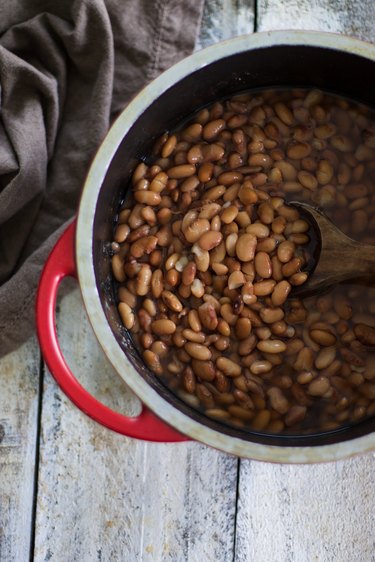
Bring the beans to a boil over high heat and then reduce to a simmer and cover. Let the beans cook for one hour and then add the other tablespoon of salt and 1/2 teaspoon of pepper. Continue to cook until the beans are tender, about another hour, removing the lid. Taste the beans and adjust the salt and pepper accordingly.

Tip

If too much liquid evaporates while the beans continue to cook, simply add more water or stock so that the beans stay covered.

How to Cook Pinto Beans

Step 3: Serve the Beans

Simply serve the pinto beans as is, or add additional toppings to create new flavors.

How to Cook Pinto Beans

Ideas for Toppings

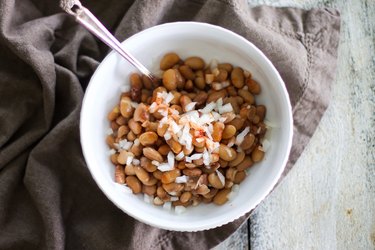
Add diced raw onion and a few dashes of hot sauce.

How to Cook Pinto Beans

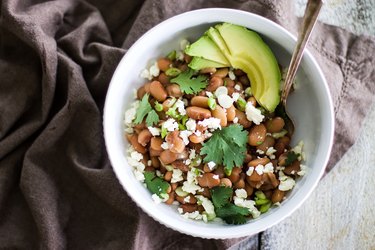
For Mexican style pinto beans, add cilantro, green onion, cojita cheese, and avocado.

How to Cook Pinto Beans

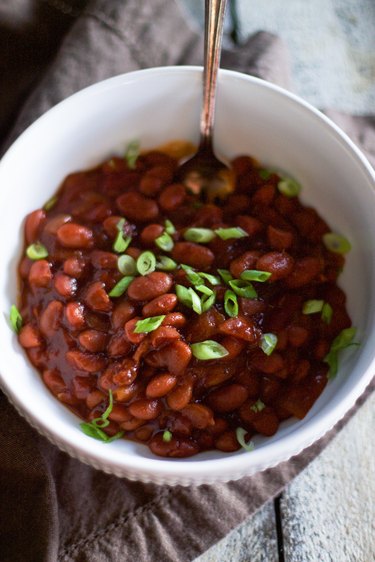
For easy barbecue baked beans, drain the liquid from the beans and add barbecue sauce. Simple place the beans into the oven at 350 degrees Fahrenheit for an additional 30 minutes uncovered until the baked beans are done. Top with green onion.

How to Cook Pinto Beans

Not only are there endless possibilities with ways to flavor the pinto beans, but they are also an inexpensive way to feed your family. Enjoy!

What Causes Cheesecakes to Sink in the Middle After Baking & Cooling?

0

Cheesecake Expect your cheesecake to sink slightly as it cools. Image Credit: Jupiterimages/Photos.com/Getty Images

Cheesecake is one of those desserts that seems almost impossible. It is rich and creamy, yet firm enough to support a variety of toppings. Every home baker seems to have stories of failed, fallen or cracked cheesecakes. But this doesn't mean the perfect cheesecake can only be made in by a professional. Not at all. When you understand the science behind cheesecake, you can produce a reliably tall, creamy cheesecake in your kitchen every time.

Video of the Day

The Science of Cheesecake

Cheesecake is essentially a custard, or a thickened mixture of milk, sugar and eggs. The eggs are responsible for thickening the cheesecake, but they also add protein that coagulates at high heat, leading to cracks. A cheesecake that cracks too deeply will sink in the middle because there will not be enough structure to support its weight.

Cheesecakes that completely cave in after baking and cooling are generally not cooked long enough to set the middle firmly. The outer edges may be fully cooked, but if the eggs in the center have not been fully cooked, their proteins will not coagulate enough to hold the center together, and it will fall as the cheesecake cools.

Temperature and coagulation are the key elements to control to produce a reliably creamy, firm cheesecake.

An Ounce of Prevention

Adding a small amount of cornstarch to the cream cheese before you beat it into the eggs and sweetened condensed milk helps ensure the eggs do not over coagulate, causing cracks. The starch coats the egg proteins, preventing them from tangling together.

Temperature control and baking technique are the keys to making sure the middle of your cheesecake is set without drying out the edges. Preheat your oven to 350 degrees Fahrenheit. Set the pan of cheesecake inside a larger roasting pan, then add about 1 inch of boiling water. Bake the cheesecake in the water bath for 45 minutes. Turn the oven off and let the cheesecake sit in the cooling oven for another hour. The water bath insulates the cheesecake from the dry heat of the oven, preventing the edges from drying out. Letting the cheesecake finish baking with residual heat in the oven as it gradually cools ensures the center is fully set and that it cools as slowly as possible, reducing the risk of collapse when you remove it from the oven.

Remove the cheesecake from the oven and let it cool to room temperature. Finally, refrigerate it for six hours or overnight to completely set the center.

When Cheesecake Cracks

If, despite your best efforts, your cheesecake develops small cracks on the top, it is not ruined. As long as the center is fully set, it should be able to withstand minor cracking. Simply cover the top of the cheesecake with whipped cream, fruit, chocolate ganache or another topping, and serve.

All Is Not Lost

If your cheesecake falls in the middle, the dessert is not completely ruined. Remove the cooled cheesecake from the pan and cut the salvageable portion into single serving squares. Top these with your favorite topping and serve them as a plated dessert or as cheesecake bites instead.

Delicious Homemade Chicken Fricassee Recipe

0

Delicious Homemade Chicken Fricassee Recipe

There are recipes that you make that simply bring comfort with the first bite. For me, these dishes are usually soups, stews, and meals made in one pot or skillet! I love when everything is made in one pot, because usually that means there are layers of flavor throughout the dish. Chicken Fricassee is a dish that is a halfway between a sauté and a stew where the chicken is first sautéed and then cooked in a flavorful liquid until ready to serve. With a few steps, you can make delicious homemade Chicken Fricassee right in your own kitchen.

Video of the Day

This dish is the perfect Sunday supper that is best served with some crusty bread to help sop up all of that delicious cooking liquid. You will love making this recipe any time you are craving comfort food, and you can bet your whole family will love it too!

Delicious Homemade Chicken Fricassee Recipe

Things You\’ll Need

  • 1 whole chicken cut into 8 pieces (you can have your butcher do this for you)

  • 1 tbsp. olive oil

  • 2 tbsp. butter

  • Kosher salt

  • Coarsely ground black pepper

  • 3 fresh thyme leaves

  • 1 tbsp. fresh parsley

  • 1 bay leaf

  • 3 finely minced garlic cloves

  • 1 small onion

  • 2 celery stalks

  • 2 peeled carrots

  • 8 oz. cremini mushrooms, quartered

  • 2 tbsp. all purpose flour

  • 1/4 cup heavy cream

  • 4 cups chicken broth

  • 1 cup dry white wine

  • 2 egg yolks

  • 1 lemon, juice and zest

Step 1: Sauté Chicken

Season chicken liberally on both sides with salt and pepper. In a dutch oven, heat over medium high heat and add oil and 2 tbsp. of butter. Once the pot is hot and the butter has started to foam (but not turn brown), add your chicken in two batches and sear on both sides.

Delicious Homemade Chicken Fricassee Recipe

Tip

Make sure to do this step in two batches to avoid overcrowding the pan so that you can get nice caramelization on the chicken.

Step 2: Dice Vegetables

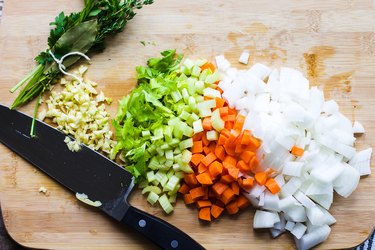
Dice onions, celery, and carrots in a uniform size.

Delicious Homemade Chicken Fricassee Recipe

Step 3: Sauté Vegetables

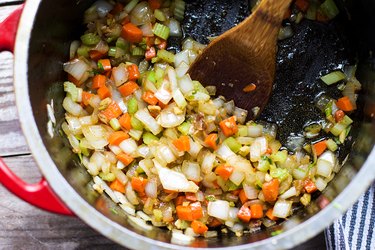
Once the chicken has browned, remove it from the pot and place it on a plate to the side. Add in diced onion, celery, carrot and garlic, then sauté about five minutes until vegetables are translucent and browned slightly.

Delicious Homemade Chicken Fricassee Recipe

Step 4: Add Mushrooms, Flour and Liquid

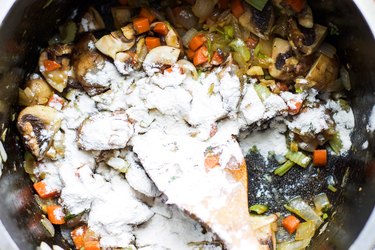
Once vegetables are browned, add in quartered mushrooms and sauté for a couple of minutes until they start to release their liquids. Add in flour at this time and stir until all of the flour has been absorbed, about one minute. At this time pour in white wine and let reduce for five minutes, then pour in the chicken broth and bring heat up to a simmer.

Delicious Homemade Chicken Fricassee Recipe

Step 5: Add Chicken and Herbs

Once the liquid has been added, place the chicken back into the pot, skin side up, along with the thyme, parsley and bay leaf. Bring to a boil, and then reduce heat to simmer for 25 minutes until chicken is cooked through, leaving the pot partially covered while it simmers. When chicken is cooked through, remove it from the cooking liquid and let the liquid reduce for 5-10 minutes.

Delicious Homemade Chicken Fricassee Recipe

Tip

Tie the herbs together with kitchen twine for easy removal.

Step 6: Make and Add Liaison

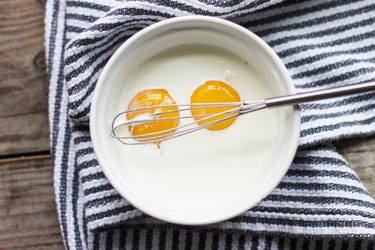
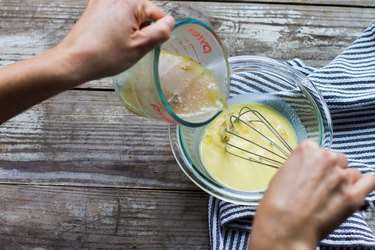
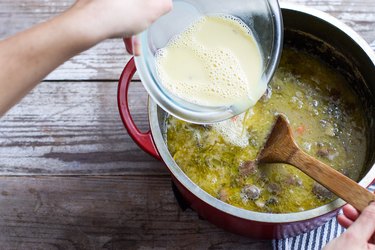
Whisk and combine heavy cream and egg yolks together. Take one cup of the hot cooking liquid and slowly add into the liaison about a tablespoon at a time, whisking constantly to temper the liaison and bring it to temperature without scrambling the egg yolks. Pour the liaison into the cooking liquid, stirring constantly until it is mixed well. Let it cook for another 5 minutes to thicken the liquid.

Delicious Homemade Chicken Fricassee Recipe Delicious Homemade Chicken Fricassee Recipe Delicious Homemade Chicken Fricassee Recipe

Step 7: Remove Herbs and Add Chicken

Once the liquid has thickened, remove the herb bundle and add the chicken back into the pot.

Step 8: Finish with Lemon and Butter

Squeeze and zest one lemon into the dish and add the last tablespoon of butter. Stir into the sauce and it is ready to serve!

Delicious Homemade Chicken Fricassee Recipe

This dish is full of flavor, is perfect for entertaining, and usually has enough for leftovers the next day that end up tasting even better!

How to Substitute Self-Rising Flour Instead of All-Purpose in Cookies

0

Channel your inner domestic goddess without breaking a sweat by whipping up a batch of deliciously crispy, light cookies using self-rising flour in place of the all-purpose flour that's the more common choice. Whether you've run out of all-purpose flour or baking powder, or you're looking to use up that bag of self-rising that you rarely break into, understanding how to make the switch is the key to successfully baking with self-rising flour. Although it can't be used for delicate, flaky baked goods such as pie crusts, you can feel free to experiment with the ingredients in your favorite cookie recipes.

Double chocolate chip cookies Make deliciously light, crunchy cookies by using self-rising flour instead of all-purpose. Image Credit: ITStock Free/Polka Dot/Getty Images

Video of the Day

Understanding Self-Rising Flour

You'll hear a lot about self-rising flour if you search for recipes to make Southern biscuits, since it's a popular product for that particular cuisine. But you don't need to reserve your bag of self-rising flour only for making tender, fluffy biscuits. While it won't work as a substitute in all baked goods, you can use self-rising flour to make cookies, as long as you understand the necessary adjustments. Unlike all-purpose flour, self-rising flour contains more than just the wheat. It also has salt and baking powder, which makes it similar to baking mixes. It's typically milled finely, with a similar texture to that of all-purpose flour.

Making the Swap

Making the switch is relatively easy, but you do need to make a couple of adjustments to your recipe. Most notably, you need to leave out any baking powder or salt from your recipe. According to the Joy of Baking website, self-rising flour contains roughly 1 1/2 teaspoons of baking powder and 1/4 teaspoon of salt, which means that if your recipe calls for 1 cup of all-purpose flour plus salt and a leavener, you should add an extra 1 3/4 teaspoons of self-rising flour to account for the other ingredients. You'll typically only need to add wet ingredients such as eggs, vanilla extract and unsalted butter, along with sugar and extras such as chocolate chips or nuts.

Tasting a Difference

If you're looking to bake lighter, crunchier cookies, self-rising flour might be an ideal substitution. Although the flavor itself won't be affected by swapping self-rising flour for the all-purpose flour that your recipe calls for, the finished cookie will have a slightly different consistency and a lighter texture. While all-purpose flour typically has a protein content of roughly 10 to 12 percent, self-rising flour usually contains approximately 8 to 9 percent protein. Self-rising flour has a lower protein content, which translates to a lower gluten content. Baked goods made with lower-gluten flours are lighter and crisper than than those made with higher-gluten flours.

Tips

Because baking soda's leavening power works differently than baking powder — and it's roughly 4 times stronger, if your recipe calls for baking soda, you might need to include it to get the results that you want. Trial and error is a big part of substituting ingredients. You might need to to experiment with the recipe to find the formula that works best. Additionally, it's important to note that self-rising flour has a shorter shelf life than all-purpose flour. While all-purpose flour has a shelf life of approximately six to eight months, you can store self-rising flour for roughly four to six months. Beyond that, some of the leaveners may begin to weaken, leaving you with potentially flat cookies.

Substitutes for Chicken Bouillon

0

When you substitute another liquid for chicken bouillon, you may or may not change the taste of your dish or reduce its depths of flavor. Chicken bouillon typically has intense chicken and vegetable flavors as well as lots of salt. Depending on the specific dish you're making and the liquid with which you substitute, you'll need to include additional ingredients to bring an equal level of tastiness to your food.

Tip

If water is the only available substitute for chicken bouillon that you have on hand, boost the flavor of your dish with herbs and spices to make up for its lack of flavor. Add dried herbs and spices during cooking and sprinkle on fresh herbs after cooking.

The Best Alternatives

Canned or homemade chicken stock gives any dish depths of flavor and less salt than typical kinds of chicken bouillon, making them even better than the bouillon itself. Vegetable bouillon or stock comes in as a close second. Either stock needs to simmer for at least 2 hours to substitute for bouillon. Use the same amount of stock as the water called for in your recipe.

Video of the Day

A quick stock won't be as flavorful as one you cook for at least 2 hours, but it will provide an acceptable alternative. Use this method inspired by the Cooking Light website:

  1. Chop up vegetables, chicken or both into small pieces, allowing them to release their flavor quickly.
  2. Add a crushed bay leaf, dried thyme and ground pepper.
  3. Add just enough cold water to cover your ingredients and let the mixture simmer for at least 30 minutes.
  4. Strain the stock and use the same amount as the water called for in your recipe.

Tip

Designate a "stock bag" using a freezer-strength plastic bag in your freezer to toss in leftover chicken bones, scraps of leftover vegetables, celery tops and parsley stems. Whenever the bag fills, make a batch of stock to leave in your freezer for your next soup or stew.

Unconventional Alternatives

Some substitutes for chicken bouillon won't add chicken flavor, but will provide either subtle or strong background flavor to give your dish a boost. Experiment with these ideas:

  • White wine adds a tang and rich, woodsy flavors to sauces, soups and stews. Choose a medium-body wine, such as sauvignon blanc or chardonnay, that you would be happy to drink, and substitute it for half of the water called for in sauces and stews, and one-quarter of the water for soups.
  • One tablespoon of cooked brown sugar adds sweetness to sauces or stews, and gives those dishes the same color as a bouillon-colored sauce. Commercial coloring agents to darken meat work in the same way.
  • Beef bouillon or stock changes the flavor profile of sauces, soups and stews, but adds a similar intensity to that of chicken bouillon. If you don't mind a beefy flavor, substitute one-quarter or one-half of a beef bouillon cube for a whole chicken bouillon cube in any dish.
  • Dashi, a Japanese stock used to present savory umami flavor to Japanese dishes, adds meaty flavors like chicken bouillon does, but with a deep flavor all its own, reminiscent of mushrooms. Chichi Wang, a columnist writing on the Serious Eats website, says you can get an acceptable dashi by boiling water and kelp together for 30 minutes.