Home Blog Page 49

How to Grind Leaves for Tea

Things You\’ll Need

  • A stone tea grinder or a mortar and pestle

  • Organic gyokuro tea leaves

...

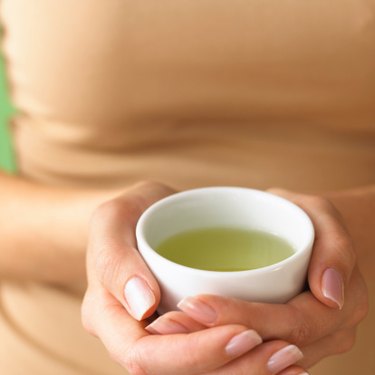
The traditional matcha tea ceremony is a pleasant and healthful addition to anyone's day. Matcha powder is made from shade-grown tea leaves, which are also used to make gyokuro tea. The leaves are similar to, but not the same as green tea leaves. To make matcha for the tea ceremony the whole leaves are ground into a fine powder, making this a more healthful beverage than other teas, in which the leaves are usually steeped then thrown out.

Video of the Day

Step 1

Procure a stone grinder or a mortar and pestle. The mortar and pestle will be a less expensive option, but the stone grinder can be easier. Determine which best suits your budget and your needs.

Step 2

If you're using a stone grinder designed for grinding tea leaves into matcha powder, you'll simply follow the manufacturer's instructions. However, if you decided to save some money and hand grind the leaves in a mortar and pestle, you'll add a small workout to the benefits of drinking the tea. To grind in a mortar and pestle, simply pour a small amount of the leaves into the mortar, and pound away with the pestle until you have a fine powder. Depending upon the size of your mortar and pestle, you may have to do this in several small batches. Be sure to make only as much powder as you will use within the next day or 2, because freshness is key.

Step 3

Finish the matcha tea ceremony by adding hot water to your powder to create a tea of the desired thickness. Whisk until frothy, then enjoy. Special matcha whisks are available, but in a pinch you can use any small whisk. Pause to take a calm moment in which to enjoy this healthful beverage.

Tip

Generally for matcha, you'll heat the water until just before it reaches the boiling point.

Warning

Do not use a regular spice or coffee grinder to grind up your tea leaves. These grinders actually create a bit of heat and can destroy the health-giving benefits of the raw leaves.

How to Make Cotton Candy Ice Cream

0

Two foods come to mind when I think of summer treats: cotton candy and ice cream. So why not mix the two together for the most epic of summer desserts? The creamy, smooth ribbons of this no-churn, cotton-candy flavored ice cream is the ultimate complement to the fluffy clouds of spun sugar. Made with only four simple ingredients, cotton candy ice cream is the easiest and tastiest recipe to make on a smoldering summer day. Learn how to make this magical goodness below!

Cotton candy ice cream

Watch the video

Things You\’ll Need

  • 2 cups heavy cream

  • 14 oz can sweetened condensed milk (1)

  • 1/2 cup cotton candy syrup

  • 1/4 teaspoon pink gel food dye

  • Cotton candy (optional)

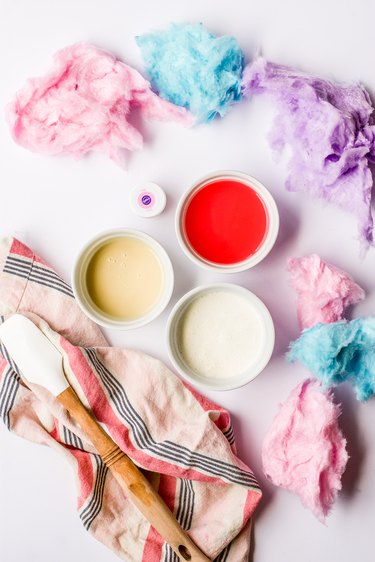
Cotton candy ice cream ingredients

Step 1: Mix ice cream base

Pour two cups heavy cream into a large mixing bowl. Mix on high speed for five minutes until stiff peaks form. Stir in sweetened condensed milk and cotton candy syrup. Add in pink food dye and mix well. Pour ice cream base into a 9-inch by 4-inch pan or glass dish. Cover and freeze for at least eight hours or overnight.

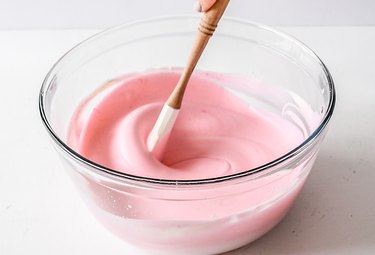
Mixing cotton candy ice cream

Step 2: Add cotton candy and serve

Remove container from freezer. Allow ice cream to thaw and soften, about five to 10 minutes. Scoop out cotton candy ice cream, and place in cones or bowls. Add fresh cotton candy on top for a pop of color, if desired. Serve immediately, and enjoy!

Cotton candy ice cream Cotton candy ice cream

Italian Meringue Buttercream Recipe Tutorial

0

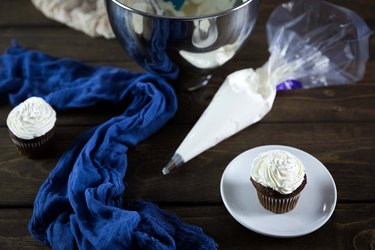
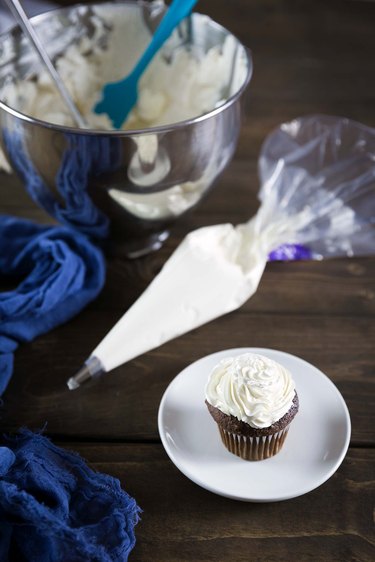
Have you ever tasted a cake or cupcake from a bakery and wondered how they got their frosting to be so incredibly light and fluffy? It's highly likely the bakers were using a meringue buttercream. Many buttercream recipes geared toward home cooks use butter and confectioners' sugar. While this is an easy, foolproof technique, the results are often extremely heavy, cloying, and overly rich. Meringue buttercream uses plenty of butter, but it also uses egg whites that have been whipped into an airy, delicate meringue. It's a slightly more advanced recipe, but it is so worth learning how to make it. Once you learn how to make an Italian meringue buttercream, you'll never want to use anything else.

Italian Meringue Buttercream Recipe Tutorial | eHow

This recipe yields enough buttercream for a triple layer cake.

Things You\’ll Need

  • 5 large egg whites

  • 1 1/2 cups granulated sugar

  • 1/4 cup + 2 tablespoons water

  • 1 pound unsalted butter, cubed and at room temperature

  • Digital thermometer

  • Stand mixer

  • Optional: food coloring, flavoring such as extracts, liqueurs, melted chocolate

Warning

Do not use egg whites sold in a carton for this recipe. Use only fresh egg whites, preferably pasteurized.

Step 1: Beat the eggs to a soft peak.

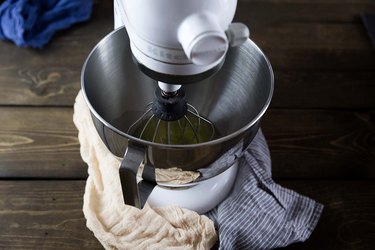
Place the egg whites in a stand mixer fitted with the whisk attachment. Begin mixing on medium speed to form a soft peak (there's no need to rush this process).

Italian Meringue Buttercream Recipe Tutorial | eHow

Step 2: Cook the sugar syrup to the soft boil stage.

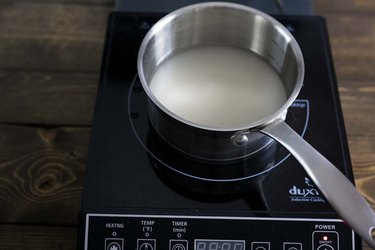
Meanwhile, place the sugar and water in a small saucepan. Cover, and turn the heat to medium-high. Remove the cover once steam has formed (this will help prevent the sugar from crystalizing). Clip a thermometer to the side of the pan, and cook until the syrup reaches the soft boil stage, 235 to 240 degrees F.

Italian Meringue Buttercream Recipe Tutorial | eHow

Step 3: Slowly add syrup to the egg whites.

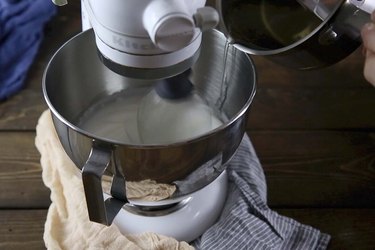
Carefully and slowly pour the syrup down the side of the mixing bowl to incorporate it into the egg whites as they mix. Working slow will prevent the eggs from scrambling. This step cooks the eggs to make them safe for consumption.

Italian Meringue Buttercream Recipe Tutorial | eHow

Step 4: Mix on high speed while the meringue cools.

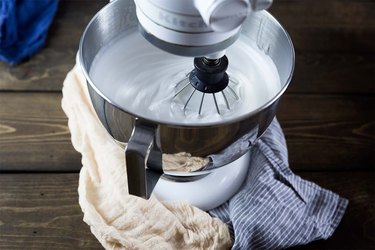
Turn the mixer to high speed. Continue mixing until the meringue reaches room temperature, approximately 15 to 20 minutes.

Italian Meringue Buttercream Recipe Tutorial | eHow

Step 5: Slowly add the butter.

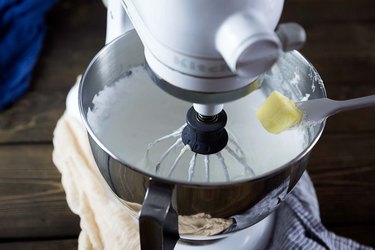
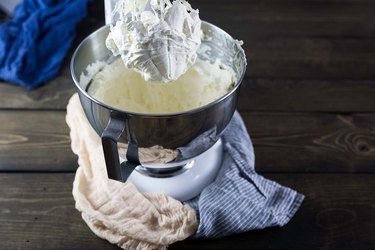
Once the meringue has cooled, turn the mixer to medium. Slowly add the butter, one piece at a time, periodically scraping down the the bowl. Again, patience is key. Note: the meringue will deflate slightly as you add the butter. This is normal, so don't panic! It will be quite thick once all of that butter is added.

Italian Meringue Buttercream Recipe Tutorial | eHow

Step 6: Add optional ingredients, if using.

Now is the time to get creative. Meringue buttercreams can take a surprising amount of liquid, at least 3 to 4 tablespoons if you work slowly. Some of my favorite additions include pure vanilla extract, Grand Marnier Liqueur, pureed strawberries, and melted unsweetened chocolate (that has been cooled to room temperature). Make sure that anything you add is at room temperature.

Italian Meringue Buttercream Recipe Tutorial | eHow

Meringue buttercream is best enjoyed at room temperature; it firms up quite a bit when chilled. You can store buttercream at room temperature for 2 days, in the refrigerator for 1 week, or in the freezer for 2 to 3 months.

Troubleshooting "Broken" or Curdled Buttercream

I've had buttercream break/curdle on me countless times when adding the butter. Don't panic if this happens; it can always be fixed. Meringue buttercream breaks when the temperatures of the meringue and butter aren't properly lining up. This rarely happens if I let the butter come to room temperature overnight as opposed to giving it only a few hours (or using the microwave).

The fastest, most foolproof way to fix broken buttercream is to scoop a couple tablespoons into a small ramekin and microwave it for 7 to 10 seconds. Next, add it back to the buttercream with the mixer running on high speed. You can repeat this process a few times if necessary. That should fix the ingredients and you'll be good to go!

Italian Meringue Buttercream Recipe Tutorial | eHow

Baked Parmesan Turkey Meatballs Recipe

0

Baked Parmesan turkey meatballs make for a mouthwatering weeknight dinner. They're perfect if you're craving meatballs, but want something leaner than the usual ground beef. This dish, after all, calls for ground turkey and is baked instead of fried. But don't worry — these meatballs are full of flavor! It's all thanks to the medley of spices, Parmesan cheese and marinara sauce. Here's how to make baked Parmesan turkey meatballs in just five easy steps.

Baked Parmesan turkey meatballs

Video of the Day

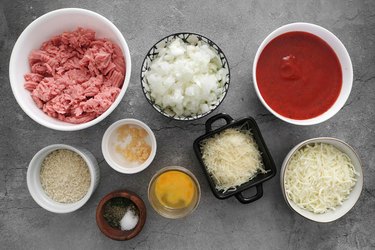
Things You\’ll Need

  • 1 pound ground turkey

  • 1/2 medium yellow onion, diced

  • 2 garlic cloves, minced (or 1 teaspoon jarred minced garlic)

  • 1 egg, beaten

  • 1/2 cup breadcrumbs

  • 1 cup Parmesan cheese, divided in half

  • 1 teaspoon dried basil

  • 1 teaspoon dried oregano

  • 1 teaspoon dried parsley

  • 1/2 teaspoon salt

  • 1/4 teaspoon ground black pepper

  • 2 cups pasta or marinara sauce

  • 1 cup mozzarella cheese, shredded

  • Butter or olive oil

  • 3 to 4 cups baby spinach (optional)

Ingredients for baked Parmesan turkey meatballs

Tip

For richer meatballs, add 2 tablespoons melted butter. For a gluten-free version, replace the breadcrumbs with cassava flour or gluten-free breadcrumbs.

Step 1

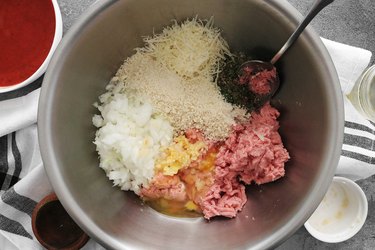
Preheat the oven to 350° Fahrenheit. In a large bowl, combine the ground turkey, onions, garlic, egg, breadcrumbs, spices and 1/2 cup Parmesan cheese.

Combine turkey meatball ingredients

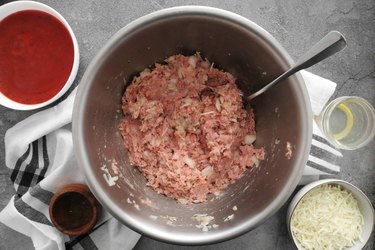
Stir until fully combined. Take care to avoid overmixing, which can dry out the meatballs.

Mix turkey meatball ingredients

Step 2

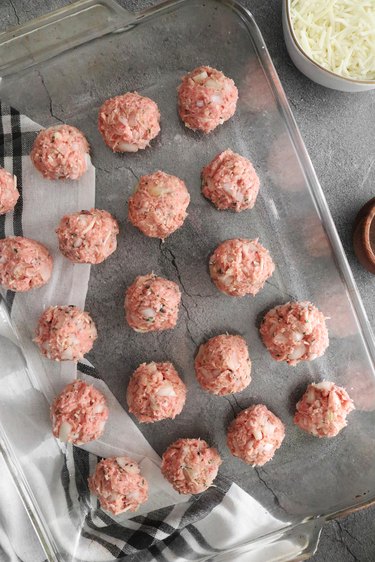
Form the mixture into meatballs, about 1 1/2-inches wide. Place in a large casserole dish greased with butter or oil. Bake for 25 to 30 minutes or until no longer pink, and the internal temperature reaches 165° Fahrenheit.

Form into meatballs

Step 3

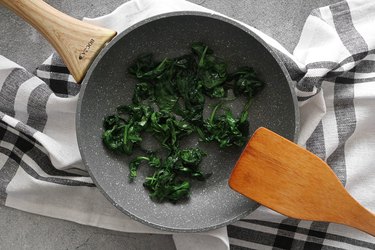
Optional: In a skillet over medium heat, warm 1 tablespoon butter or olive oil. Cook the spinach until wilted, about 3 to 5 minutes.

Cook spinach until wilted

Step 4

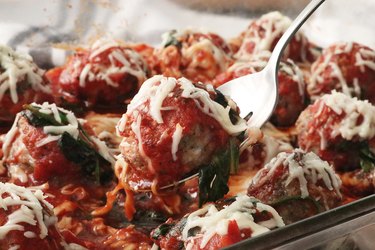
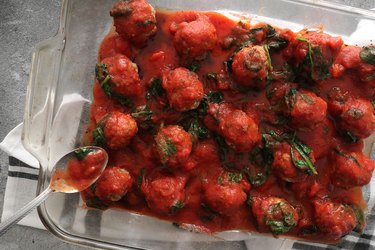
Once the turkey meatballs are done baking, top with the sauce and spinach. Make sure all the meatballs are completely covered.

Spoon sauce over the meatballs

Step 5

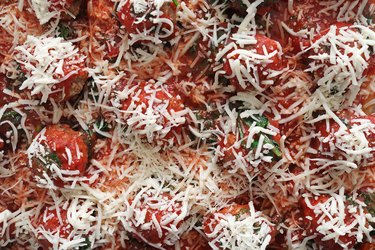
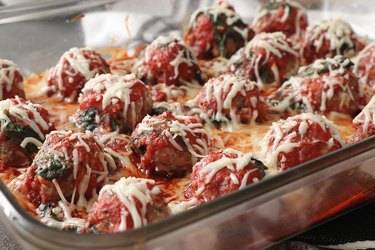
Top with mozzarella cheese and remaining 1/2 cup of Parmesan. Return to the oven and bake for another 10 minutes, or until the cheese is melted and bubbly.

Top with mozzarella cheese

Garnish with dried or fresh parsley, basil and/or oregano, if desired. Serve with your favorite pasta or bread, or enjoy them as is.

Baked Parmesan turkey meatballs

How to Heat Gluhwein

...

German mulled wine, called gluhwein, combines red wine, cloves, cinnamon, sugar and a host of other aromatic spices to create a soothing warm drink for a cold winter evening. Most gluhwein recipes use wine as the base, but cider is sometimes substituted. Gluhwein mixes contain everything necessary to make your own gluhwein, except for the wine. You add the wine as you heat the mix, immediately before serving. Warming it up properly allows the spices to infuse the wine and the pleasant aroma to permeate your home.

Video of the Day

Step 1

...

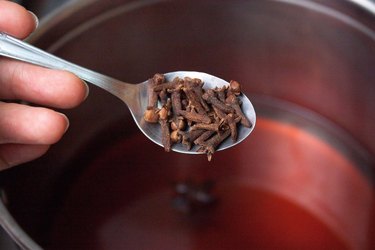
Combine 1 bottle of wine with the gluhwein mix in a large saucepan. If you are not using mix, combine the wine with 1 teaspoon whole cloves, 1 teaspoon cinnamon, 1/3 cup sugar and 3 tablespoons lemon juice.

Step 2

...

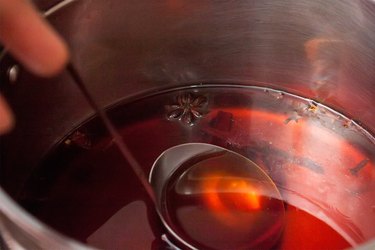
Heat the mixture over medium-high heat. Stir occasionally as it warms up so the spices don't sink to the bottom.

Step 3

...

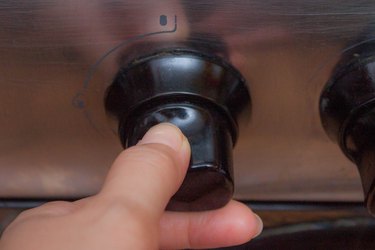
Turn the heat down to low when bubbles begin rising to the surface but before it reaches a full boil.

Step 4

...

Serve the gluhwein immediately or allow it to simmer lightly over low heat until you are ready to serve.

Tip

Make a nonalcoholic version of gluhwein by substituting white grape or apple juice for the red wine.

Warning

Boiling may give the mulled drink a scorched flavor.

How to Dry Butternuts

0

Things You\’ll Need

  • Butternuts

  • Parchment paper

  • Wire racks

  • Buckets

  • Water

  • Towels

The butternut is a tree in the walnut family that produces green, ovoid fruits containing rough, brown nuts that look similar to peach pits. Butternuts are highly nutritious and a favorite food of birds, squirrels and other small rodents. People use the nut oil for everything from cooking to furniture polish. Butternuts produce a very dark oil that adds its color to anything cooked in it and darkens wood to a deep, lacquered sheen. People can also eat butternuts for their nutritional value. They taste similar to walnuts and can be used in place of walnuts in pies, pastries and other dishes. The best way to store butternuts for most uses is to dry them.

Step 1

Fill a bucket with lukewarm water and toss in as many butternuts as you can. Stir the water roughly with a stick to remove any dirt and debris on the husks. When the water stops moving, wait a few minutes for the nuts to sink or float. Harvest the nuts that float and dry them with a towel. Discard the nuts that sink.

Video of the Day

Step 2

Set out some wire racks in a cool, dry, undisturbed place. An outdoor kitchen, canning room or clean corner of the basement are all good options. Tear off squares of parchment paper and lay them evenly over the wire racks.

Step 3

Spread out your butternuts in a single layer on the parchment paper. Set them all at least a half inch apart to prevent rot where the husks may touch. You may husk the nuts if desired, but you don't have to. When the butternuts are completely dry, the husks will crumble.

Step 4

Allow the butternuts to dry for about four weeks, checking on them each week. The husks should begin to darken and wrinkle but not grow mushy or slimy. They should feel loose and slightly spongy at first, then dry and brittle. When the husks are brittle, crumble them off with your fingers and store the butternuts in the refrigerator.

How to Preserve Pomegranates

Ripe juicy pomegranate fruit on white wooden rustic background How to Preserve Pomegranates. Image Credit: samael334/iStock/GettyImages

The deep red juice of the pomegranate is a tasty addition to fruit drinks, while the pulp makes delicious preserves for your toast, or you can enjoy it British style with a spoonful over vanilla ice cream. The proper way to store pomegranates varies on your storage space and how you plan to use the fruit. Whether you choose to can, freeze or dry the pomegranates, you can enjoy the fruit year-round in a variety of dishes, desserts and beverages.

Video of the Day

Storing Fresh Pomegranate Seeds

Pomegranate are harvested when ripe; no further ripening is necessary. You can use the fruit immediately or store the fresh, uncut pomegranate in the refrigerator for up to two months. Once removed from the rind, fresh seeds and juice should be used within five days.

Removing the Pomegranate Seeds and Pulp

Put on an apron and gloves before you begin to remove the seeds and pulp from the pomegranate. The juice tends to spurt out and stain everything it touches. Use a glass bowl; metal may darken the juice.

Cut off the crown of the pomegranate and score it along the sides, lengthwise, in three or four places. Hold the pomegranate under water in the bowl. Separate the sections; then remove the seeds from each section, still holding the fruit under the water. The seeds will sink to the bottom. Allow the inedible peel and membranes to float to the top and remove them. Pour the seeds into a colander to remove the water.

Juicing the Seeds

After removing the seeds and juice sacs from the rind, press the seeds through a sieve or use a food mill to separate the juice from the pulp. You can also use a blender or food processor to liquefy the seeds. After blending the seeds, strain the pulp through cheesecloth or nylon netting. Place a double layer of the fabric in a colander, set the colander over a glass bowl and pour the liquefied pulp into the colander. Allow the juices to drain into the bowl.

Preserving as a Syrup

To preserve pomegranate syrup, place the juice of seven large pomegranates, or about 5 cups of juice, 1/2-cup lemon juice and 1-cup sugar in a saucepan. Bring to a boil, stirring constantly. Lower the heat and simmer slowly until the syrup is reduced to half the original amount.

When the syrup is ready, pour it into hot canning jars. Process the jars for 10 minutes at a rolling boil. If any of the jars fail to seal, store them in the refrigerator and use them within a week to two weeks. You also can simply ladle the syrup into jars, and once cooled, store in the refrigerator or freezer.

Preserving Pomegranates

Put the juice or pulp into a large saucepan with lemon juice and sugar, according to your favorite recipe. If making jelly, bring to a boil and add powdered or liquid pectin. Stir constantly while you bring it back to a full boil and boil for 30 seconds. Immediately remove from heat and pour into canning or jelly jars. Process in a hot water bath or store in the refrigerator once cooled.

Preserves are similar, except you add the seeds, and, depending on the pomegranate recipes in your cookbook, you may or may not need pectin. Bring the pomegranate juice and sugar to a boil. Stir continuously while at a slow rolling boil for 30 minutes. Skim off foam. Add the seeds and lemon juice; then stir and cook for 10 minutes. Drip a spoonful of the preserves on a chilled plate. If it runs, continue cooking the preserves.

If it stays mounded, ladle the preserves into jars and process in a hot water bath or cool and store in the refrigerator.

Freezing Pomegranate Seeds

After removing the seeds from the rind and membranes, spread in a single layer on a cookie sheet. Place in the freezer until frozen. Scoop the frozen seeds into plastic containers or freezer bags and store in the freezer.

If you prefer a syrup pack, put the pulp and juice into freezer containers. Boil a scant 1/3 cup of sugar in 1 cup of water to make a syrup. Allow the syrup to cool; then pour over the pomegranate pulp. Seal the containers and freeze.

Drying Pomegranate Seeds

To dry the pomegranate seeds, spread in a single layer on the dehydrator tray. Place the seeds in the dehydrator for 12 to 14 hours at 125 degrees Fahrenheit. The dehydrated seeds will feel dry to the touch and should not clump together. Store in a sealed container in a cool, dry location.


How to Make Champurrado or Mexican Hot Chocolate

0

Having grown up in a family with a strong Mexican heritage, champurrado has been a favorite drink of mine since childhood. And while it might occasionally be referred to as Mexican hot chocolate, it's nothing like just adding a few extra spices to the well-known warm, chocolatey drink. Instead, champurrado is a rich, wonderfully textured drink that's made using a different process altogether. Usually, you begin with a mixture of spice-infused water and maseca (prepared corn flour) to create a thick substance that serves as the base for the drink. From here, champurrado starts to take fuller form as milk, Mexican chocolate, vanilla and panela (unrefined cane sugar) are introduced into the mix. The result is a thoroughly enticing beverage that takes chocolate, cinnamon and even a hint of corn and brings them together in a totally unexpected way.

How to Make Champurrado

Watch the video tutorial

Things You\’ll Need

  • 1 1/4 cups water

  • 2 sticks of Mexican cinnamon

  • Star anise

  • 1/4 cup maseca

  • 3 cups whole milk

  • 1 tsp pure vanilla extract

  • 1 pinch kosher salt

  • 1 tablet Mexican chocolate

  • 3 ounces panela

Step 1

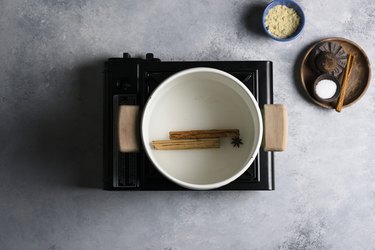
In a large saucepan, add the water, cinnamon sticks and star anise. Bring to a boil. Once boiling, remove from heat, cover and let steep for 25-30 min

Spices steeping

Step 2

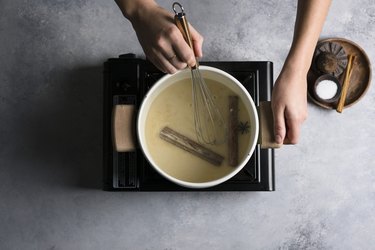
Return the saucepan back to low heat and gradually whisk the maseca into the water until it becomes smooth and no lumps remain.
Whisking maseca

Tip

Remove the spices prior to whisking in the maseca if they seem to get in the way. Simply add them back to the pan once the milk has been whisked in.
Step 3

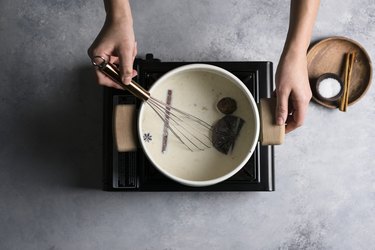
Increase heat slightly and whisk in the milk until combined. Next, add the vanilla, salt, Mexican chocolate and panela, stirring occasionally until melted.

melting chocolate

Step 4

Once the chocolate and sugar have melted, increase heat again slightly and allow the mixture to come up to a gentle simmer. Let the champurrado simmer for about 5 minutes, or until it has a thick, gravy-like texture.

simmering

Tip

This drink should be thick, although feel free to add a little extra water or milk, if a thinner texture is preferred.

Step 5

Serve hot with a light dusting of cinnamon, if desired.

final shot

Tip

Sometimes the cinnamon sticks will break apart, so if possible, strain the champurado before serving. This will ensure a smooth drink.

Savory Chili Dog Sauce Recipe

0

I was a vegetarian for 3 years in my early 20s. I gave it all up for a chili cheese dog at a small restaurant in Burbank, California. I never looked back. There is something about that messy, meaty, piping-hot and deliciously savory topping on America's favorite ballgame meal that just always hits the spot. It turns it turns your average run-of-the-mill backyard grill offering into something that people can't get enough of. It makes a memory out of a weeknight meal.

How to Make Chili Dog Sauce

Video of the Day

How to Make Chili Dog Sauce

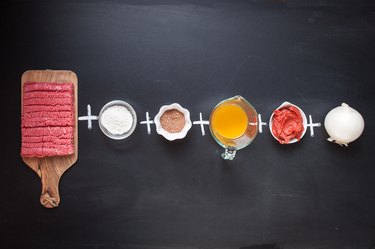
Things You\’ll Need

  • 1 tablespoon olive oil

  • 1 cup chopped white onions

  • 1 lbs ground beef

    (85%/15% lean to fat)

  • 6 oz tomato paste

  • 1/4 cup all purpose flour

  • 1

    ½

    cups vegetable broth (or beef broth)

  • 2 teaspoons chili powder

  • 1 teaspoon salt

  • 1 teaspoon garlic powder

  • 1/2 teaspoon smoked paprika

  • 1 teaspoon mustard powder

  • 1 teaspoon cumin

  • 1 tablespoon brown sugar

  • 1 teaspoon black pepper

Tip

Want to spice things up? Add 1/4 teaspoon cayenne pepper and 1 teaspoon hot sauce.

Step 1: Brown the Onions

Heat the oil in a large pot over medium high heat. Add the onions, cooking until softened and starting to brown.

How to Make Chili Dog Sauce

Step 2: Brown the Beef

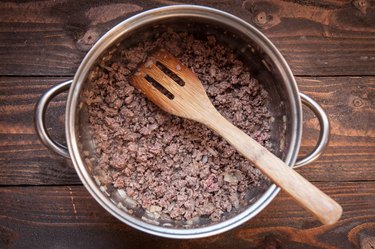
Add the beef, cooking and breaking up until browned. Pour off the grease.

How to Make Chili Dog Sauce

Step 3: Add the Flour

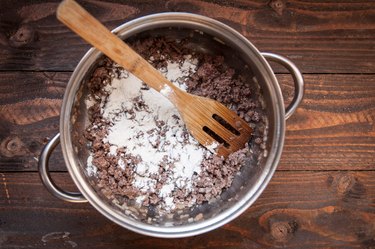
Sprinkle with flour, stirring until well coated.

How to Make Chili Dog Sauce

Step 4: Add the Remaining Ingredients

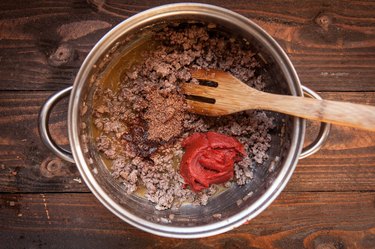
Stir in the remaining ingredients until well combined.

How to Make Chili Dog Sauce

Step 5: Simmer

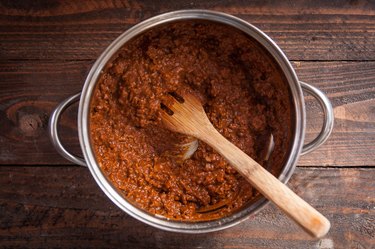
Simmer for about 30 minutes, stirring occasionally, until thickened. Serve over hot dogs or French fries.

How to Make Chili Dog Sauce

Tip

It freezes well! Don't be afraid to make a double or triple batch and freeze what you don't need for future use.

How to Make Chili Dog Sauce

List of Inexpensive Dry Red Wines

...

A nice bottle of red wine doesn't have to break the bank; "inexpensive" doesn't necessarily mean "cheap." Red wine can be sipped on its own or paired with food, which often changes and enhances the flavor of both the food and the wine. Red wines contain tannins, an astringent compound found in grapes and other plants. Tannins are what make you "pucker" when drinking some red wines, and they are also what some scientists think provide heart-healthy benefits; combined with low residual sugar levels, tannins are what makes a wine "dry." Wine ratings vary between magazines and reviewers. Wine Spectator uses a 100 point scale, which you can find in the Resources section, in which wines rated 80-84 are "good; a solid made wine" and those scored from 85-89 are considered "very good; a wine with special qualities."

Video of the Day

Pepperwood Grove Cabernet Sauvignon Central Valley 2009

This Pepperwood Grove Cabernet Sauvignon got a respectable score of 84, and its $7 price tag makes it a true bargain. Wine Spectator describes it as "light and forward" with vanilla and cherry flavors. Lighter reds are usually easy to drink on their own, without food. Cabernet Sauvignon pairs well with red meat or even chocolate. Cabernet Sauvignon contains tannins which puts them in the dry category of wine.

J.M. Da Fonseca Periquita Red 2007

Another good value, this bottle from J.M. Da Fonseca comes in at $9. Good Housekeeping recommends the "light spiciness" of the Periquita for the Thanksgiving dinner table because it pairs well with traditional Thanksgiving dishes, from the turkey to the cranberry jelly. Periquita is a grape that makes wines with very strong tannins creating a "puckery" dry wine.

La Calonica Sangiovese Cortona Calcinaio 2009

The Sangiovese grape originates in Italy and is most often associated with Chianti. This La Calonica varietal was given an 87 by Wine Spectator; factor in the $11 price tag and this bottle is a steal. The La Colonica is a true example of a Sangiovese: medium in body with high acidity and exhibiting fruit flavor.

Columbia Crest Two Vines Merlot, Washington

This Merlot-Syrah blend is a product of the Columbia Crest "Two Vines" line of wines. Rated a "Best Wine Under $12" by Good Housekeeping, the magazine described Columbia Crest Two Vines Merlot as "smooth" and "fruity." Aged in both American and French oak barrels, the Columbia Crest's tasting notes recommend pairing this wine with richer foods such as hamburgers or macaroni and cheese. A little smoother than Cabernet Sauvignon, Merlot still exhibits the tannins that make red wines dry.

Maison Badet Clement Corbières Château Lamy 2008

Don't shy away from the French wine section at your local wine shop; you can find bottles for under $15. This 2008 offering from Maison Badet Clement winery was given an 87 rating by Wine Spectator making the $11 investment an inexpensive risk. Like other dry, red wines that contain tannins, this wine can be paired with red meat or grilled vegetables. Wine Spectator describes this bottle as "medium bodied" with flavors of "berry and red plum."