Home Blog Page 37

How to Leave a Cheesecake to Cool in the Oven All Night

0

... Cooking cheesecake accurately requires a lot of skill and careful planning.

Cheesecake is one of the most popular and ubiquitous dessert items in America. It is also one of the trickiest desserts to perfect in home baking. Cheesecake requires precise and committed temperature control to achieve an attractive, uncracked surface. Even opening the oven door to check the cheesecake while it cooks compromises that goal. The best way to cool a cheesecake is gradually, allowing it to stay in the oven as it cools.

Video of the Day

Step 1

Follow the recipe to mix the cheesecake batter and pour it into a springform pan. Set the oven as instructed to preheat the oven.

Step 2

Put the cheesecake into the oven to bake as the recipe instructs.

Step 3

Refrain from opening the oven even once during baking. Once the cheesecake is in the oven, you can check through the viewing glass on the door, but do not open the door. Even a brief open-door peek can change the air temperature enough to cause a crack in the cake's surface.

Step 4

Turn the oven off when the cooking time ends. Do not remove the cheesecake from the oven. Do not even open the door.

Step 5

Wait a couple of hours until the majority of the oven's heat dissipates. The door might feel a touch warm, but there should no longer be a marked difference between the outside air and the temperature in the oven.

Step 6

Open the oven door a crack to the point at which it props itself open, leaving a two or three inch opening that allows outside air to come into contact with the cheesecake.

Step 7

Leave the cheesecake to finish cooling in the oven overnight.

Step 8

Place the cheesecake in the refrigerator the next morning to keep it cold until serving.

Does Stainless Steel React With Tomato Juice?

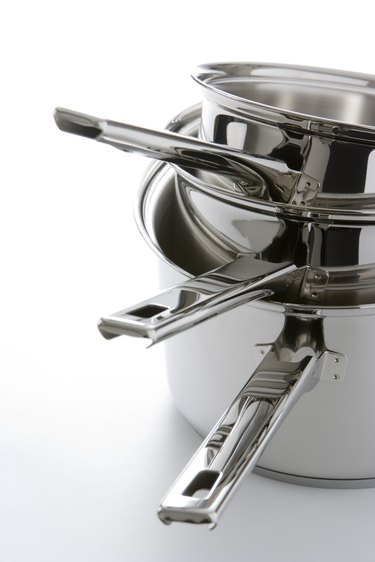
Stack of pots Stainless steel pots are more expensive than aluminum. Image Credit: BananaStock/BananaStock/Getty Images

The acidity in tomato products such as tomato juice react with copper, iron and aluminum pots and containers, leeching out metals and making food taste metallic. Stainless steel is nonreactive, staying chemically stable even when you use it for cooking or storing acidic foods such as tomato juice, but stainless steel does not conduct heat as effectively as reactive metals such as copper or aluminum. Some manufacturers make hybrid pots with copper or aluminum bottoms and stainless steel cooking surfaces. Although expensive, these pots offer the best of both worlds, preserving the flavor of tomato juice while heating it evenly and efficiently.

Video of the Day

Health Considerations

You consume the metal that leeches out of aluminum, copper or iron pots when you consume the tomato juice that has been cooked or stored in them. Although your body can usually absorb and use the iron, it doesn't handle copper or aluminum well. Tomato juice cooked in these materials will contain toxins, and shouldn't be consumed regularly. Because of its chemical stability, stainless steel cookware does not have similar health consequences when used to cook or store tomato juice.

The Effect of Time

Tomato juice can be stored as well as cooked in stainless steel because the metal's nonreactive properties prevent metal from leeching into acidic food, even over the course of days in the refrigerator. In contrast, reactive metals such as aluminum and copper continue to leech into tomato juice throughout the juice's time in storage. If you must cook or store tomato juice in a copper or aluminum pan, transfer the juice into another container as soon as possible.

Pitted Pans

If your stainless steel pan is pitted, don't use it to cook or store tomato juice. Stainless steel is an alloy made by mixing steel with other metals such as chromium and nickel. Although the steel itself doesn't leech into acidic foods, these other metals may if the surface of the pan is not intact. Stainless steel pans can grow pitted if your scrape them with metal utensils or metal dishwashing pads.

Identifying Stainless Steel Pots

When you buy a new pot, the box or accompanying literature should tell you whether it's stainless steel. When you acquire a used pot or if you're assessing a pot you already own, check the bottom, which may have engraved information about the pot's material. Aluminum pots tend to have a duller sheen than stainless steel, especially after they have been used or washed. Stainless steel pots and pans keep their luster even after you use it or wash them, while aluminum cookware grows pitted and discolored over time.

Easy Salmon Croquettes Recipe

0

Salmon croquettes are an easy yet impressive meal to make. The beauty of these croquettes is that they come together quickly in a single bowl but taste incredible. And if fresh salmon is not an option, then a can of wild salmon will do the trick while cutting your prep time in half. These croquettes are packed with flavor, with bright bursts of herby goodness in every bite.

Easy Salmon Croquettes Recipe

Video of the Day

Things You\’ll Need

  • 1, 14.75 oz canned salmon, drained, skin and bones removed

  • ¼ cup diced jalapeño peppers

  • 3 tbs freshly chopped dill

  • 3 tbs freshly chopped chives

  • 1 tbs chopped capers

  • 4 tbs mayonnaise

  • 2 garlic cloves, minced

  • 2 tsp dijon mustard

  • 1 large egg, beaten

  • 1 cup panko bread crumbs, divided

  • 1 lemon, zested

  • 1 ½ tsp lemon juice

  • 1/4 tsp kosher salt, plus more as needed

  • fresh pepper

  • 2 tbs neutral oil, for frying

  • sour cream, for garnish

  • 2 tbs freshly chopped chives, for garnish

  • lemon wedges, for serving

Step 1

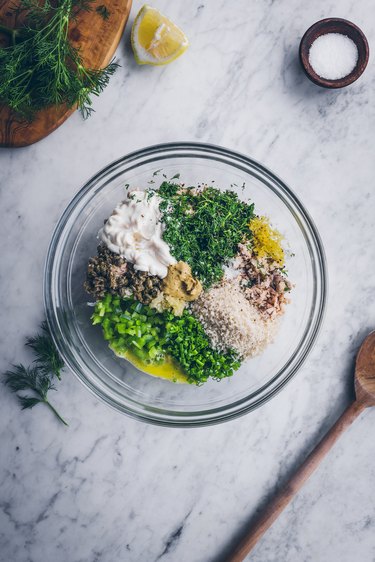
Flake the salmon and add it to a medium bowl along with the jalapeños, dill, chives, capers, mayonnaise, garlic, mustard, egg, bread crumbs, lemon zest, juice, salt, and a few cracks of fresh pepper.

Prepping ingredients

Step 2

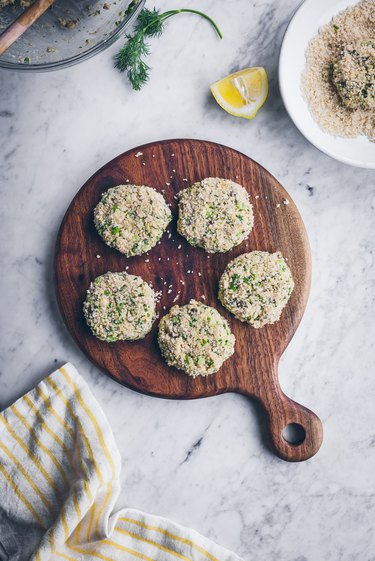
Gently mix everything together until just combined and shape into 7-8 equal sized patties. Dip both sides of each patty in a bowl filled with the remaining 1/2 cup of bread crumbs.

Shaping croquettes

Step 3

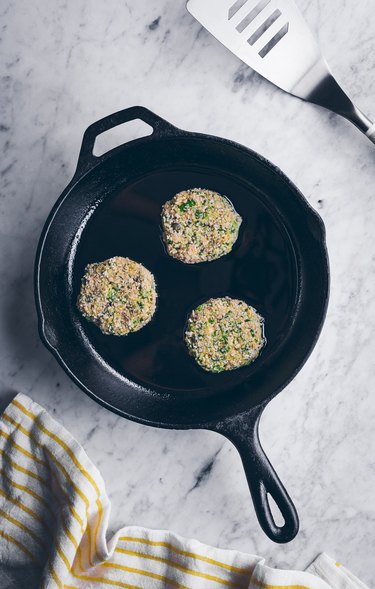
Heat the oil in a large skillet set over medium-high heat. Add the patties in batches and cook for 2-3 minutes on each side, or until golden brown.

cooking croquettes

Step 4

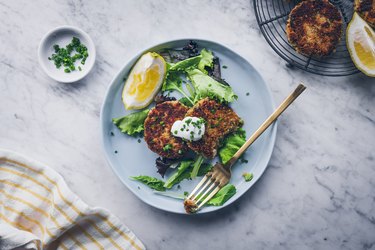
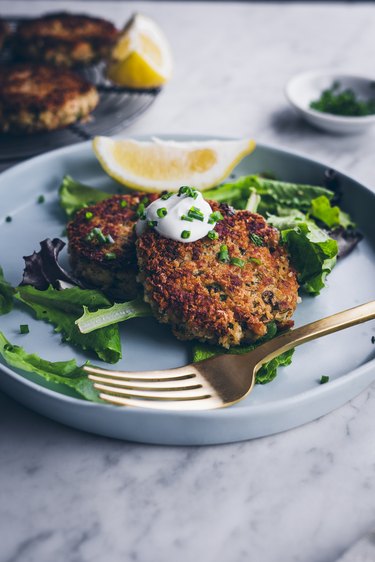
Serve salmon croquettes with a dollop of sour cream or tartar sauce, a sprinkle of chive, and a wedge of lemon. Enjoy while hot.

Finished croquettes Finished croquettes

Apple Cider Sangria Recipe

0

Looking for a seasonal drink to celebrate autumn? Try this apple cider sangria. With ingredients like crisp apples, ginger beer and white wine, this drink features the best of fall. It's also to easy customize, so don't be afraid to experiment with different types of alcohol or fruit. When all is said and done, you'll have a tasty beverage that's beautiful and delicious.

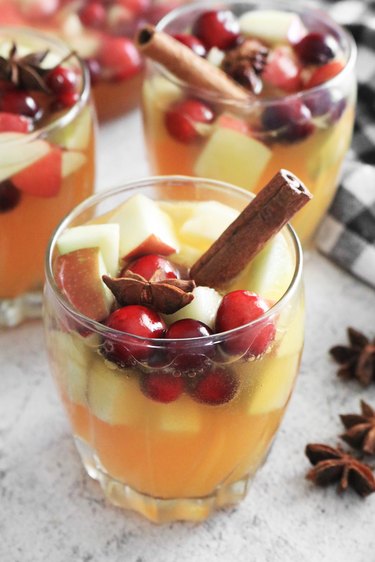
Apple cider sangria

Video of the Day

Things You\’ll Need

  • 2 1/2 cups apple cider, chilled

  • 1 bottle (750 milliliters) white wine, chilled

  • 2 12-ounce bottles ginger beer, chilled

  • 1 orange (or lemon)

  • 3 apples

  • 1 cup cranberries

  • Cinnamon sticks (for garnish)

  • Star anise (for garnish)

Ingredients for apple cider sangria

Tip

You may need more or less apples, depending on their size and how much fruit you prefer.

Step 1

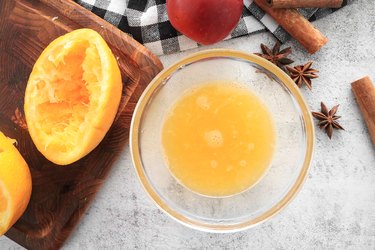
Squeeze the orange. Set aside the juice.

Squeeze the orange

Step 2

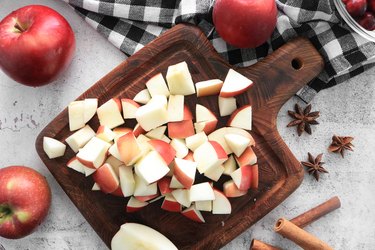
Dice the apples.

Dice the apples

Step 3

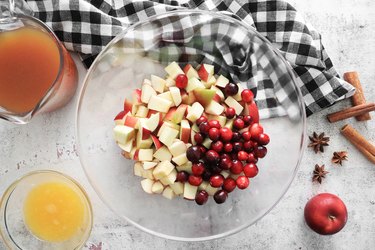
To a large bowl or pitcher, add the diced apples and cranberries.

Combine apples and cranberries

Tip

If you're going to serve this sangria immediately, you can use either a bowl or pitcher. Otherwise, if you plan to chill the sangria for a few hours, use a pitcher with a cover. You can always transfer it to a bowl later on, if you'd like.

Step 4

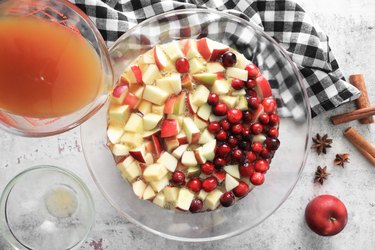
Pour the apple cider, orange juice and one bottle of ginger beer into the bowl or pitcher. Add the entire bottle of white wine. Mix well.

Add apple cider, white wine, orange juice and ginger beer

Tip

For a non-alcoholic version, replace the white wine with more apple cider, ginger beer or club soda.

Step 5

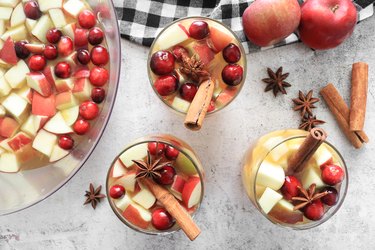
Using a soup ladle, transfer the sangria into individual glasses. Garnish with cinnamon sticks, star anise, ground cinnamon or thinly sliced apples.

Apple cider sangria

Add a splash of ginger beer just before serving. Happy fall!

Apple cider sangria

What Happens if You Leave Bread Dough to Rise Too Long?

24012494 Shaped bread dough usually needs a final proofing. Image Credit: Jupiterimages/Photos.com/Getty Images

When you make a loaf of bread, time and yeast do most of the work for you. After kneading the dough, most recipes require you to let it rise at least once. For some breads, you need to let it rise twice. During the first rise, the dough ferments and develops flavor and volume. During the second rise, called proofing, the dough continues to ferment after you shape it into a loaf.

Video of the Day

Texture and Taste

If you let the dough rise for too long, the taste and texture of the finished bread suffers. Because the dough is fermenting during both rises, if the process goes on for too long, the finished loaf of bread can have a sour, unpleasant taste. The finished loaf usually also has a dense texture and isn't sufficiently chewy. Over-proofed loaves of bread have a gummy or crumbly texture.

Collapsing Bread

Bread doughs that rise for too long also tend to be smaller than properly proofed loaves. A common symptom is to have the bread rise in the oven, only to collapse. Letting the dough rise for too long makes the structure of the bread weak, so it can't support itself. Over-proofed breads tended to be 20 percent smaller than breads that weren't allowed to rise for too long, advises "Cook's Illustrated."

Prevention

You can keep bread dough from over-rising or over-proofing. Follow the recipe's recommended rising time. If the recipe calls for letting the dough rise for 60 to 90 minutes, check on it after 60 minutes. Press into the dough with two fingers. If the area you pressed stays depressed, the dough has risen enough. If the area fills back in, you need to let the dough rise a bit more. You can also mark on the rising container where double the original volume of the dough is, so that you have visual marker for when the dough is the right size. Set a kitchen timer to remind you to check the dough at the appropriate time.

Rescuing Overproofed Dough

If you've let your dough rise for too long, all is not lost. You can save the dough. After the second rise, punch the dough down to deflate it. Shape the dough back into a loaf and cover to keep it from drying out. Let the dough rise again for the time suggested in the recipe. Check on the dough at the end of the rising time, then bake as directed.

Easy Peanut Butter Bread Recipe

0

Breadmaking can seem intimidating, especially if you're new to baking. But thanks to this easy peanut butter bread recipe, you can make homemade bread in a pinch! It's also flourless and yeast-free, so it's perfect if you eat a gluten-free diet or have limited ingredients on hand.

Peanut butter bread

Video of the Day

Things You\’ll Need

  • 1 cup room-temperature peanut butter

  • 4 tablespoons honey, maple syrup or white sugar

  • 3 eggs

  • 1/2 teaspoon baking soda

  • 1/4 teaspoon cinnamon (optional)

  • Pinch of salt

  • 1 teaspoon vanilla extract

  • 1 tablespoon lemon juice or apple cider vinegar

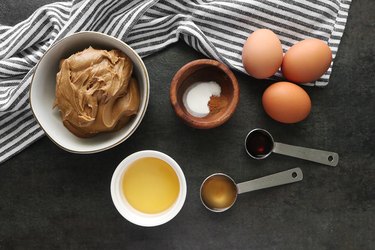
Ingredients for peanut butter bread

Tip

If you're allergic to peanuts, or if you don't like peanut butter, you can use another nut or seed butter instead.

Step 1

Preheat the oven to 350°F. Grease a loaf pan and set aside.

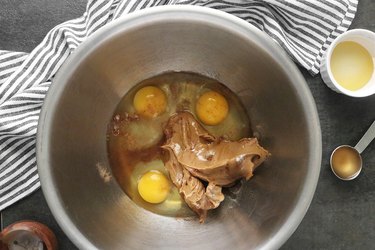
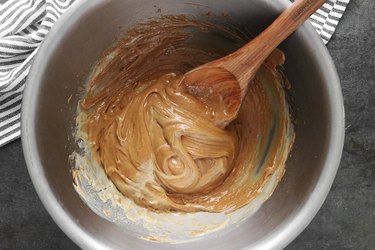
In a large bowl, add all the ingredients except the lemon juice.

Add ingredients to large bowl

Step 2

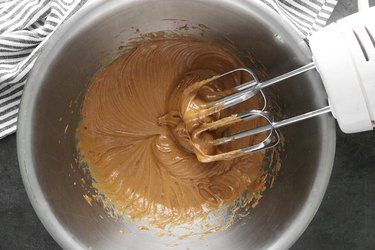
Mix with an electric beater until smooth and combined.

Beat the bread batter ingredients

Step 3

Add the lemon juice and stir well.

Add lemon juice and mix

Step 4

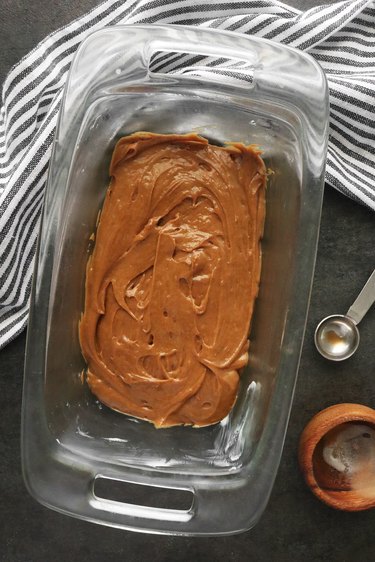
Transfer the batter to the greased loaf pan.

Transfer batter to loaf pan

Step 5

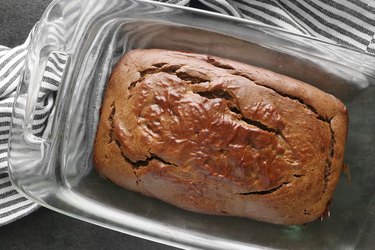
Bake for 35 to 40 minutes or until a toothpick in the center comes out clean.

Bake for 35 to 40 minutes

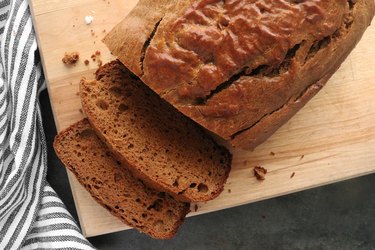
Let cool slightly, then slice. Enjoy with butter, maple syrup, jam—or more peanut butter!

Peanut butter bread recipe

How to Make Tie Dye Cupcakes

0

Tie dye is one of the hottest trends in fashion right now, so let's take this colorful look from the runway to the kitchen — with tie dye cupcakes. Not only is the cupcake itself a multicolored swirl of deliciousness, but so is the frosting. In fact, every cupcake has a different mix of tie dye colors and patterns. This could be the grooviest cupcake you'll ever bite into.

tie dye swirl

Video of the Day

inside cupcake

Things You\’ll Need

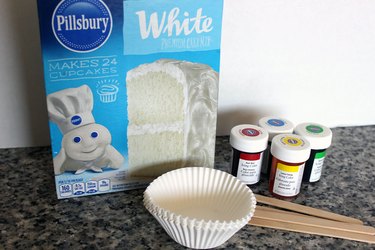
  • White cake cupcakes

  • White cupcake liners

  • Gel food coloring or icing dye

  • Popsicle sticks for mixing

  • Toothpicks

  • Buttercream icing

  • Piping bag

  • 2D Piping tip

materials

Step 1: Mix the Batter

For the most vivid colors, you'll want a white cake that won't diminish the brightness of the dyes. You can use your own recipe if you have one, or use a boxed white cake mix like I did. Mix the batter according to directions.
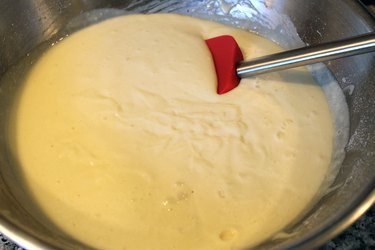
mix batter

Step 2: Divide the Batter

Divide the batter between four bowls, one for each color. I just eyeballed the amount in each bowl — it doesn't have to be exactly even.
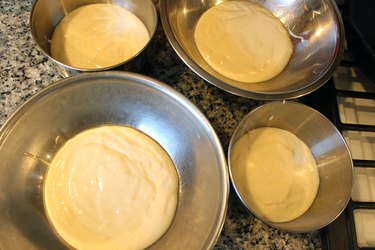
divided batter

Step 3: Dye the Batter

Add a few drops of food dye to each bowl of batter. I chose blue, red, yellow and green. Choose gel-based dyes, which won't add more liquid content to the batter. You can find gel food coloring at the supermarket. I actually used dye for icing, which I found in the crafts store. Both will work fine. Mix the colors well with a popsicle stick.
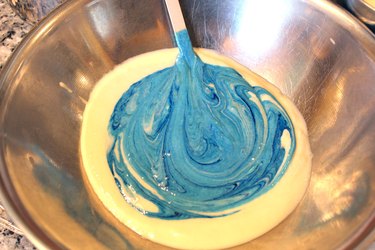
dye batter

To help scoop up any batter on the bottom of the bowl, a plastic spoon is also useful.
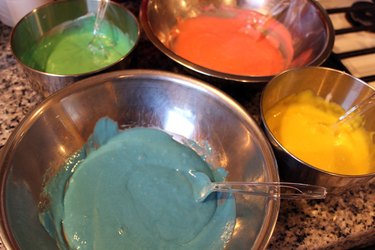
mixed colors

Step 4: Fill Cupcake Liners

Scoop a heaping teaspoonful of two colors of cake batter, and pour them side by side into a white cupcake liner.
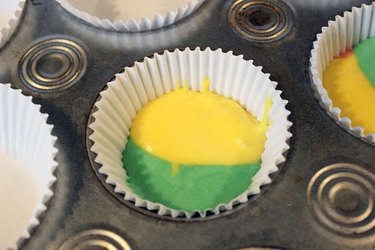
two colors

Scoop a heaping teaspoonful of the third color of cake batter, and pour it crosswise on top of the first two colors.
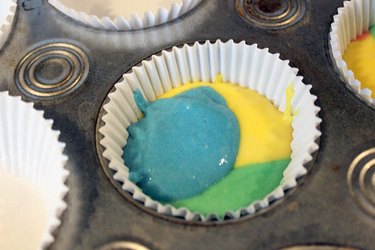
third color

Scoop a heaping teaspoonful of the fourth color, and pour that next to the third color. Don't worry about being too careful, or if the colors mix a little. The "messiness" makes the finished cupcake look more like tie dye.
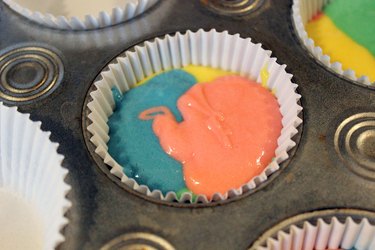
fourth color

Take a toothpick and run it around the batter to mix up the colors a little more.
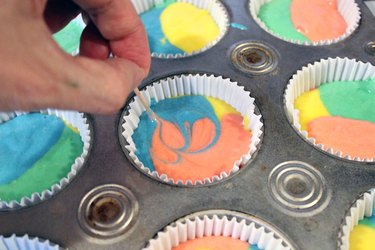
toothpick

Step 5: Bake the Cupcakes

Bake the cupcakes according to the directions on the box or your recipe. Notice how I changed up the color combinations on each of the cupcakes so they would look more varied — and psychedelic.

bake cupcakes

Here's why we use white cupcake liners. See how the colors of the cupcakes show through the sides when they're white!
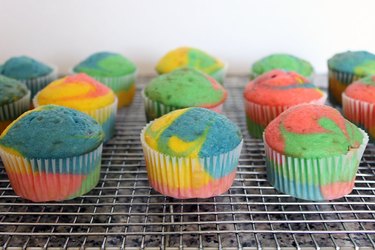
white wrappers

Step 6: Make the Frosting

You can purchase a tub of frosting from the supermarket, but I like making my own buttercream frosting because it pipes so much better. I start by mixing one stick of unsalted butter with a half cup of vegetable shortening in a stand mixer. (You can use two sticks of butter and omit the shortening, but the shortening helps the frosting hold up in warmer temperatures.)
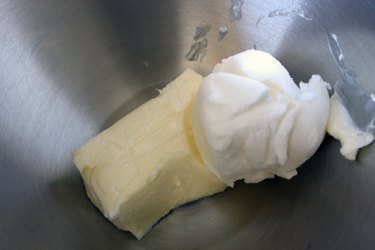
butter and shortening

Slowly mix in four cups of confectioner's sugar in one-cup increments.
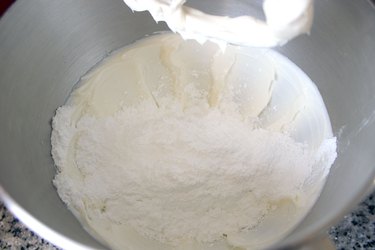
confectioners sugar

Add in a half teaspoon of salt and a teaspoon of vanilla extract. Then mix in water one tablespoon at a time until the frosting reaches the desired consistency. Most people use cream instead of water, but I prefer water since the frosting will be left out at room temperature, and I don't like the idea of the cream going bad. Taste-wise, you won't miss it.
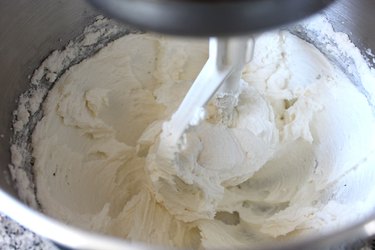
frosting

Step 7: Divide the Frosting

As you did with the batter, divide the frosting into four bowls.
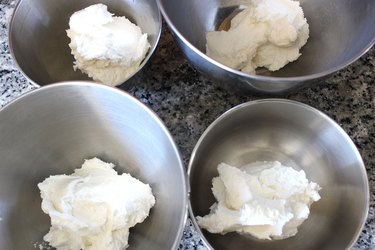
divided frosting

Step 8: Dye the Frosting

Using the same four colors you used in the batter, dye the frosting and mix well with a popsicle stick.
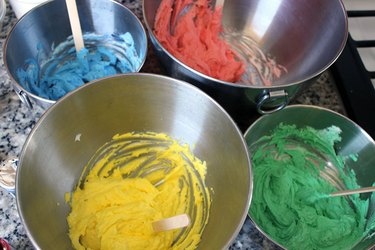
dyed frosting

Step 9: Prepare the Piping Bag

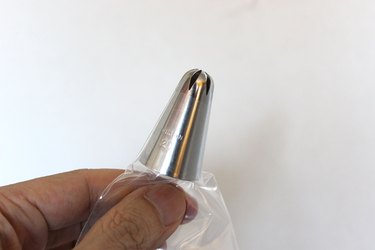
Place a piping tip at the end of the piping bag, cutting off the tip of the bag to allow the tip to extend past it. You can use any piping tip you wish. I used a 2D tip so the frosting would look like rosettes.
piping tip

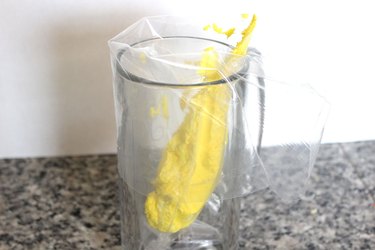
Spoon one color of frosting along one side of the bag.
yellow frosting

Then spoon the other colors around the sides of the bag. This step gets very messy as you try to get the four colors evenly around the bag. Don't worry about the colors lining up perfectly. The less perfect it is, the more it will look like tie dye.

colored frosting

Tip

In the beginning, you might have just one color at the tip because that color settled into the bag before the others. Just squeeze all the excess color into a bowl until multiple colors come out of the tip. Then spoon that first color back into the bag.

Step 10: Frost the Cupcakes

Twist the open end of the piping bag shut, and place the piping tip over the center of the cupcake. Squeeze the bag with firm, even pressure in a counterclockwise direction. I like to think of it as drawing a lower case "e" on the cupcake.

frosting cupcake

As you squeeze the frosting, the contents of the piping bag will continually change, in turn giving each cupcake a different tie dye color scheme.

tie dye swirl

The messy mix of colors in the piping bag results in a dizzying combination of tie dye variations.

tie dye cupcakes

And when you cut into the cupcake, there is color galore from the frosting on down.

inside cupcake

You've got to admit, these tie dye cupcakes are far out, man.

tie dye cupcake

Cast Iron Skillet Recipe: Red Velvet Cookie

0

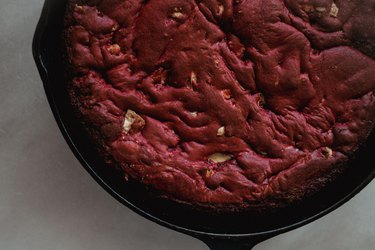
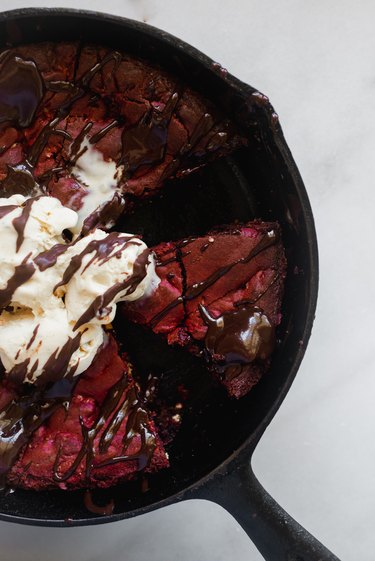
This Cast Iron Skillet Red Velvet Cookie is the ultimate dessert! It's dense, chewy, studded with molten white chocolate chips, and filled with plenty of classic cookie flavor. Serve it alongside a generous scoop of ice cream and a thick drizzle of chocolate sauce for something even more incredible.

Red Velvet Skillet Cookie is a delicious, easy, and decadent dessert!

Video of the Day

Things You\’ll Need

  • 5 ounces (140 grams) unsalted butter, cubed

  • 7 ounces (200 grams) light brown sugar

  • 1.8 ounces (50 grams) granulated sugar

  • 1 large egg

  • 1 tablespoon vanilla bean extract

  • 7 ounces (200 grams) all-purpose flour

  • 1 tablespoon dutch processed cocoa powder

  • 1/2 teaspoon baking soda

  • 1/2 teaspoon salt

  • 5.3 ounces (150 grams) white chocolate chips or chunks

  • 1 teaspoon red food coloring

  • Ice cream, for serving (optional)

  • Chocolate sauce, for serving (optional)

Step 1: Combine Wet Ingredients

Pre-heat the oven to 350 degrees Fahrenheit (180 degrees Celsius). Lightly grease a large cast iron skillet. Set aside.

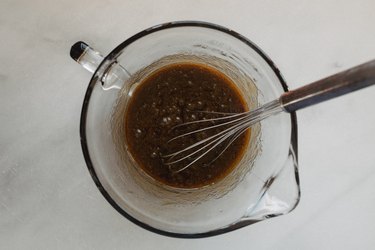
Place the unsalted butter into a medium sized saucepan set over medium-low heat. Heat, stirring occasionally, until melted. Pour the melted butter into a large mixing bowl and add in the light brown sugar and granulated sugar. Whisk until well combined. Add in the egg and whisk until glossy. Add in the vanilla bean extract and whisk until incorporated. Set the bowl aside.

Whisk the wet ingredients until well combined and glossy.

Step 2: Combine Dry Ingredients

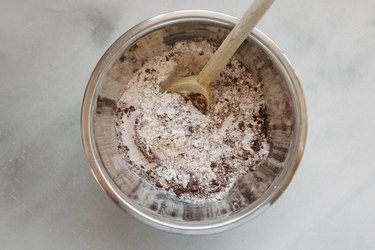
In a separate medium sized mixing bowl, whisk together the all-purpose flour, dutch processed cocoa powder, baking soda and salt.

Whisk together the dry ingredients.

Step 3: Make Dough

Add half of the dry ingredients into the bowl with the butter and sugar mixture. Use a wooden spoon to mix until just combined (some dry flour pockets should remain).

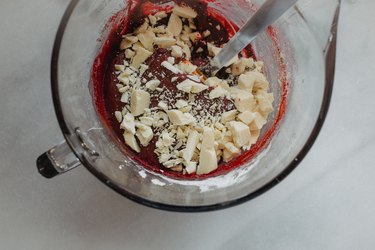
Add in the remaining dry ingredients and mix until just combined. Whisk in the red food coloring. Fold in the white chocolate chips or chunks until evenly incorporated throughout the dough.

Combine the white chocolate throughout the dough.

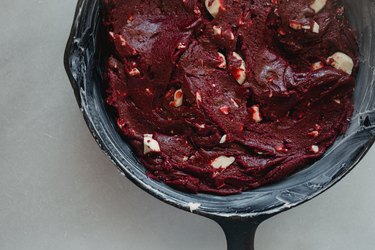
Use a rubber spatula to spread the dough into an even layer in the cast-iron skillet.

Spread the dough into the skillet.

Step 4: Bake

Bake, 18 to 22 minutes, or until puffed and firm around the edges but still slightly soft in the center. Remove from the oven and transfer the cast iron skillet to a wire rack to let cool for 5 minutes.

Bake until puffed and the edges are firm.

Step 5: Serve & Enjoy

Serve the skillet cookie immediately, along with a generous scoop of ice cream and a drizzle of chocolate fudge, if desired. It is best eaten warm on the day of making.

Serve warm with a scoop of ice cream and drizzle of chocolate sauce.

How to Dry Popcorn Kernels

0

Things You\’ll Need

  • Mesh bags

  • Bowl

  • Airtight container

  • Roasting pan

... Dry popcorn kernels properly so that you can store the kernels.

Instead of purchasing popcorn from the store, you can grow your own popcorn at home and dry the kernels to have the snack on hand. Popcorn can take 120 day to fully mature, and then it needs to be dried so that only 13 to 14 percent of moisture exists. The popcorn will not pop properly if the moisture content remains too high or low. Once your popcorn is ready for harvesting, it needs to be left on the stalks as long as possible to allow the kernels to dry.

Video of the Day

Air Dry

Step 1

Remove the ears from the stalk once the silk turns brown and the kernels are dry. Twist the ears off the stalk carefully.

Step 2

Peel the husks off the ears. Tie three to four of the husks together or place them in mesh bags.

Step 3

Hang the corn in a dark and cool location until they are dried. You also can spread them on a flat surface if you do not have room to hang them.

Step 4

Hold the corn ears over a bowl and push the kernels off with your thumbs. Store them in an airtight glass jar.

Oven Dry

Step 1

Remove the popcorn when the kernels are hard and dry. Peel the husks off, and discard them.

Step 2

Heat the oven to 300 degrees F. Place the ears of corn on a roasting pan in a single layer.

Step 3

Reduce the heat to 200 degrees. Place the roasting pan in the oven, and leave the door slightly ajar.

Step 4

Allow the corn ears to dry for five hours. Remove the kernels by pushing them off with your thumbs. Store them in an airtight glass jar.

Tip

Add 1 tbsp. of water to 1 qt. of popcorn if the kernels do not pop. Shake the kernels so that they absorb the water. The moisture content might be too low in the kernels.

Warning

Test the popcorn kernels to ensure that they are dry before storage. Pop them over high heat on the stove top, and if more than half of the kernels pop, then you can store them safely.

If the popcorn tastes chewy or the kernels appear jagged in shape when you pop them, you need to dry the kernels longer.

Spicy Cajun Shrimp Dip Recipe

0

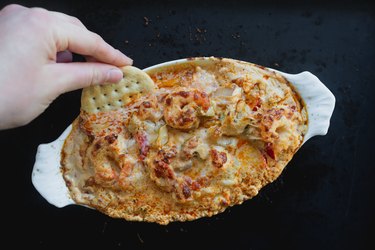
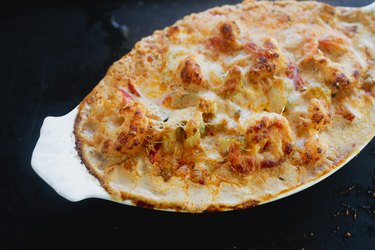
This spicy cajun shrimp dip is the most creamy, cheesy, and delicious appetizer that's perfect for summer entertaining. It's an easy and quick dish to make that's just bursting with flavor and spice. Make this spicy cajun shrimp dip today!
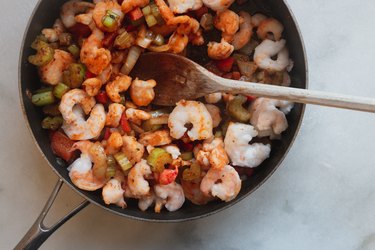
Spicy Cajun Shrimp Dip is very cheesy and best served warm.

Video of the Day

Things You\’ll Need

  • 2 teaspoons paprika

  • 1 teaspoon cayenne pepper

  • 1 teaspoon dried oregano

  • 1 teaspoon dried basil

  • 1 teaspoon dried thyme

  • 1 teaspoon onion powder

  • 1 teaspoon garlic powder

  • 5 tablespoons unsalted butter

  • 1/2 small red onion, diced

  • 2 garlic cloves, minced

  • 1 small red pepper, diced

  • 3 medium celery sticks, diced

  • 1-pound (450 grams) shrimp, cleaned

  • 8 ounces (226 grams) cream cheese, at room temperature

  • 1/2 cup sour cream

  • 4 ounces (113 grams) parmesan cheese, grated

  • Salt and pepper, as needed

  • Crackers and toasted bread, for serving

Step 1: Make the Cajun Spice Mix

Pre-heat the oven to 350 degrees Fahrenheit (180 degrees Celsius). Lightly grease a medium-size baking dish with a little butter and set it aside on a baking tray.

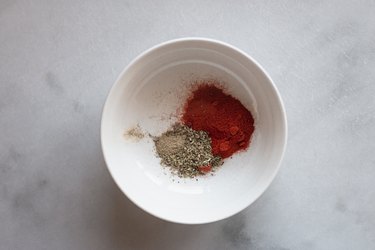
Mix together the paprika, cayenne pepper, oregano, basil, thyme, onion powder and garlic powder in a small bowl until combined. Set the cajun spice mix aside until needed.

Combine the spices.

Step 2: Cook the Vegetables

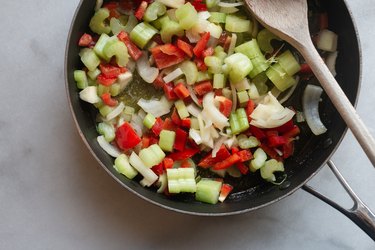
Place the butter into a medium non-stick skillet set over medium heat. Heat until it begins to foam. Add in the onion and garlic. Cook until the onion is beginning to turn translucent, about 3 minutes.

Add the diced red pepper and celery along with the cajun spice mix, and set aside earlier. Continue to cook for a further 5 minutes, or until the vegetables have begun to soften and brown.

Cook the vegetables until they are just browned and soft.

Step 3: Add the Shrimp and Cheese

Add in the shrimp and cook for a further minute. Set the heat to low.

Stir in the shrimp.

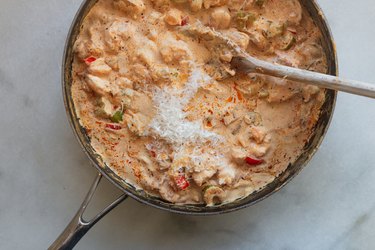
Stir in the cream cheese, sour cream and three quarters of the parmesan cheese until evenly mixed. Season with a pinch of salt and pepper, to personal taste.

Add the cheese and mix well to combine.

Step 4: Bake

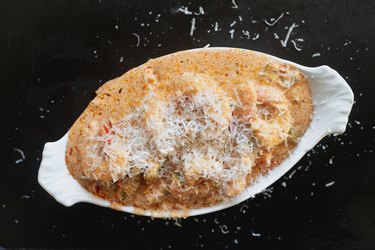
Pour the mixture into the baking dish then sprinkle over the reserved parmesan cheese.

Sprinkle over the parmesan.

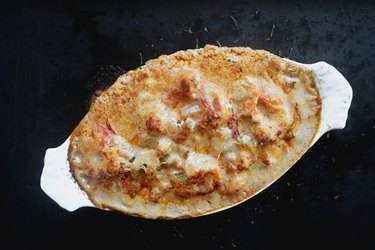
Bake for 20 minutes, or until golden brown, fragrant, and bubbling. Carefully remove the dip from the oven and allow to cool for 5 minutes before serving.
Bake until golden brown and bubbling.
Step 5: Serve

Immediately serve the dip while it is still warm alongside crackers or slices of toasted bread and enjoy!

This Spicy Cajun Shrimp Dip is so delicious and perfect for entertaining.